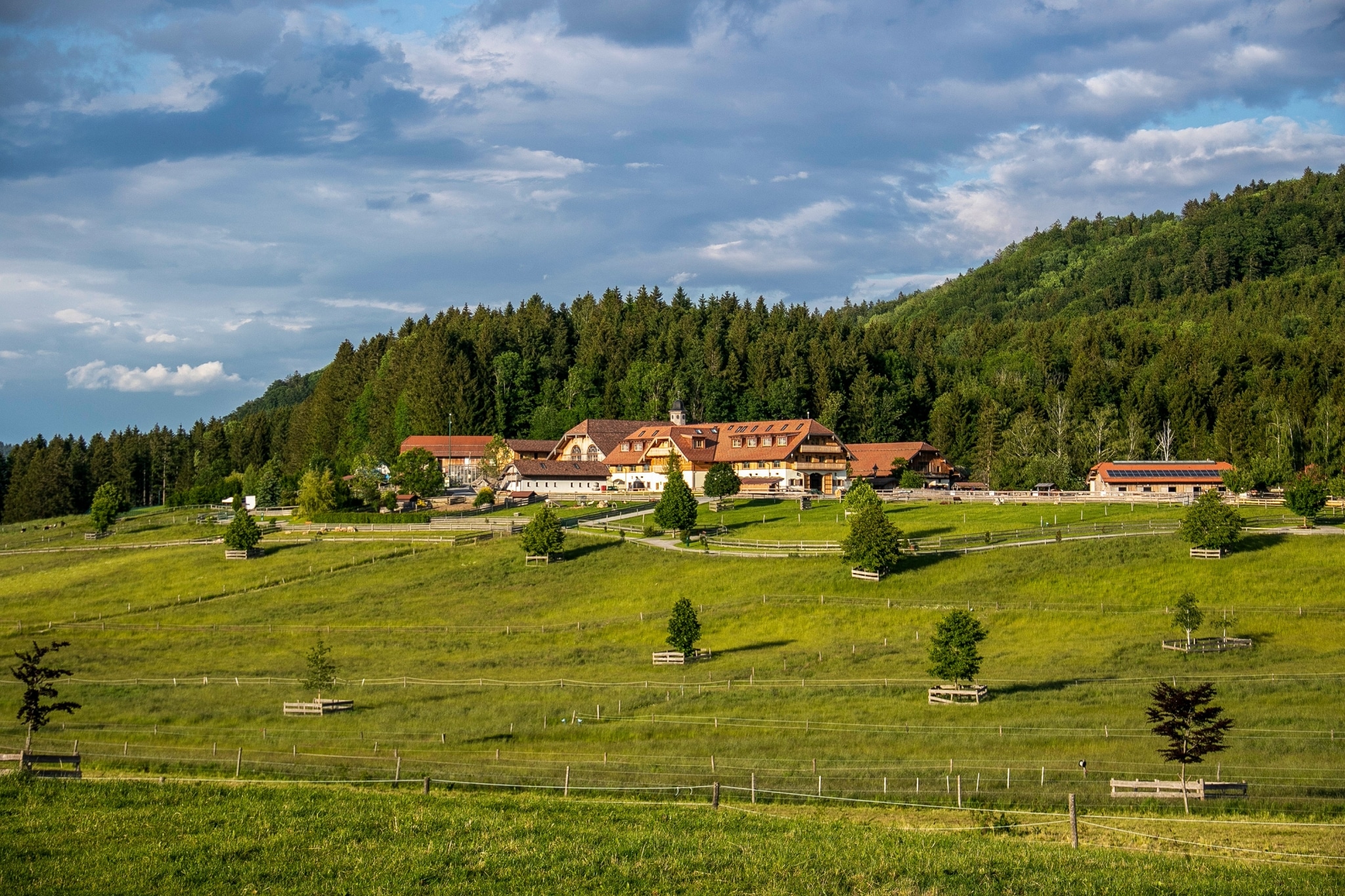
Our history
Gut Aiderbichl has been working for animals for over 20 years and is an important institution for animal welfare throughout Europe. Our animal homes in 6 European countries are home to over 6,000 rescued animals that have been saved from a wide variety of situations. We guarantee every animal a safe and secure home until the natural end of its life.
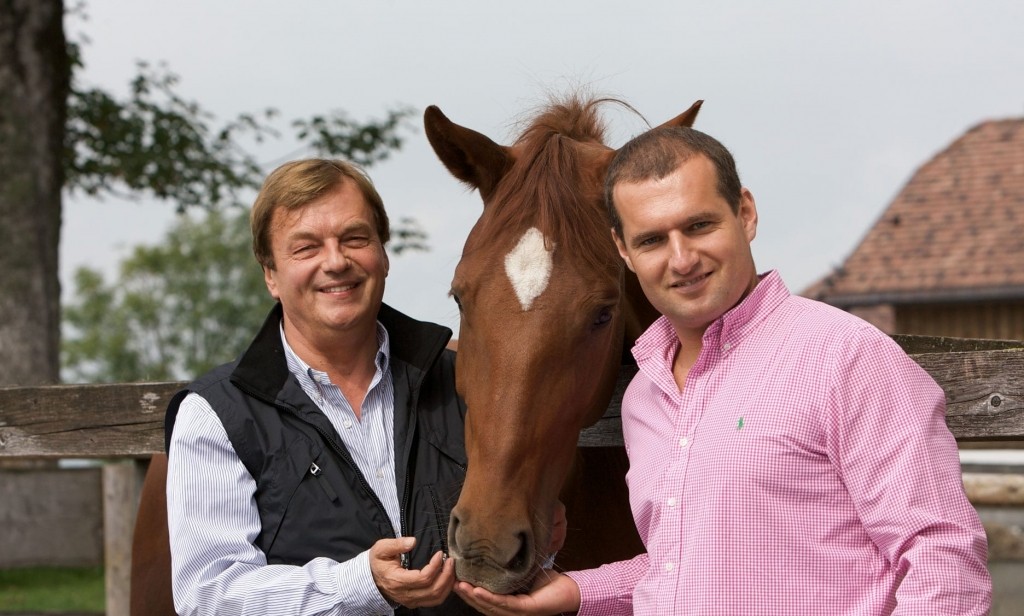
Even before the organisation was founded in 2001, Michael Aufhauser was committed to animal rights. Together with Dieter Ehrengruber, Gut Aiderbichl became a driving force that not only caused a stir in the early years, but continues to do it today, because animals are our life. Year after year, we fight together for fair conditions for animals and give them a voice.
How we have developed
The Gut Aiderbichl review
2022 in figures
2022 was characterised by crises. Not only the pandemic, but also the ongoing war in Ukraine and inflation had an impact on Gut Aiderbichl. We can only overcome these crises thanks to the fantastic support of our Aiderbichlers and companions. We were able to give over 915 animals a forever home at Gut Aiderbichl in 2022.
- Animal rescues in 2022: over 915
- About 30 calls for help reach us per day
- Public relations: Over 500 press reports. Our reach on Facebook: is approx. 6.8 million. and via Instagram approx. 1.6 million. Our Youtube videos have over 1.7 million clicks
- Growing knowledge: Over 1,000 people took part in 47 webinars and 17 face-to-face courses
70th birthday of Michael Aufhauser
Helping the weaker members of our society has always been the vision of our Gut Aiderbichl founder Michael Aufhauser. This year he celebrated his 70th birthday. For many years, he fought with Gut Aiderbichl for values such as honesty, compassion, gratitude and tolerance. Gut Aiderbichl has now been helping animals in need for over 20 years and has become the largest animal welfare organisation in Europe.
Spectacular rescue operations in Ukraine
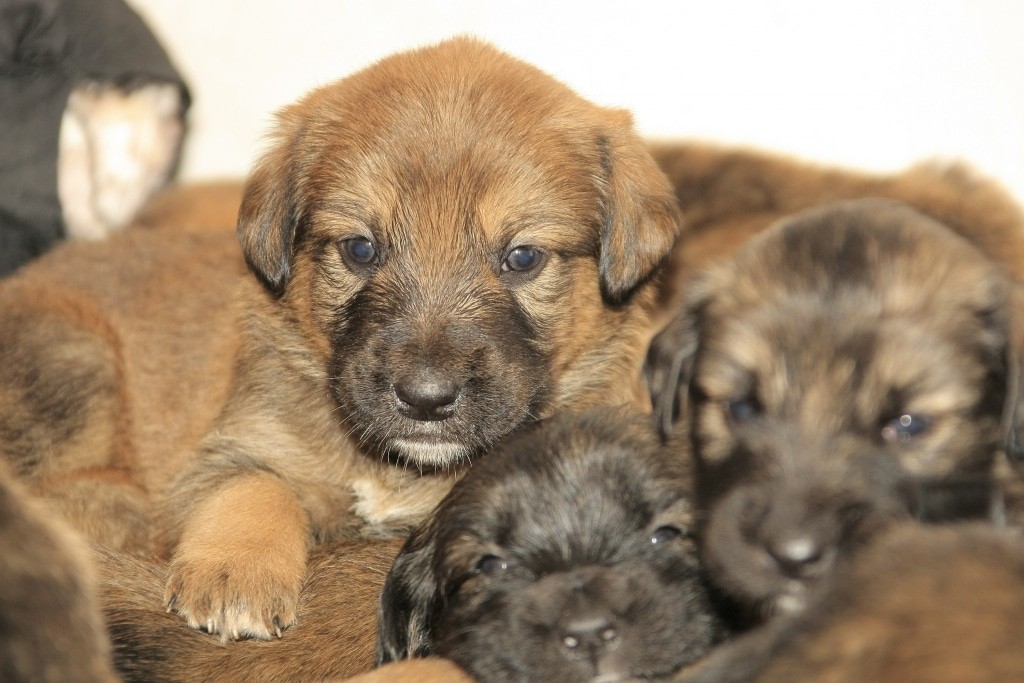
Many of our animals come from Ukraine. The fighting continues, making life unbearable for people and animals on the ground. Gut Aiderbichl cannot and will not look away. When the war broke out in March 2022, Gut Aiderbichl did not hesitate, but immediately delivered animal feed and relief supplies to the crisis region. Not only did we actively support the local people, but we were also able to bring 31 dogs and 11 cats and their families to safety.
In September 2022, we received another call for help from a desperate animal rescuer in Ukraine. Despite the approaching front line, she tried to take care of 94 dogs and 29 cats. She didn’t want to leave the animals alone, to certain death. It was our job to look and act. In keeping with the Aiderbichler philosophy. Our animal rescuers set off on the arduous and dangerous journey to Ukraine, demonstrating exceptional courage and commitment to the animals. In two spectacular rescue operations, all of the animal rescuer’s 123 animals were brought to safety. The exhausted dogs and cats were housed in a specially rented animal shelter in Osnabrück (Germany) and can now recover from their ordeal. You can find more information here.
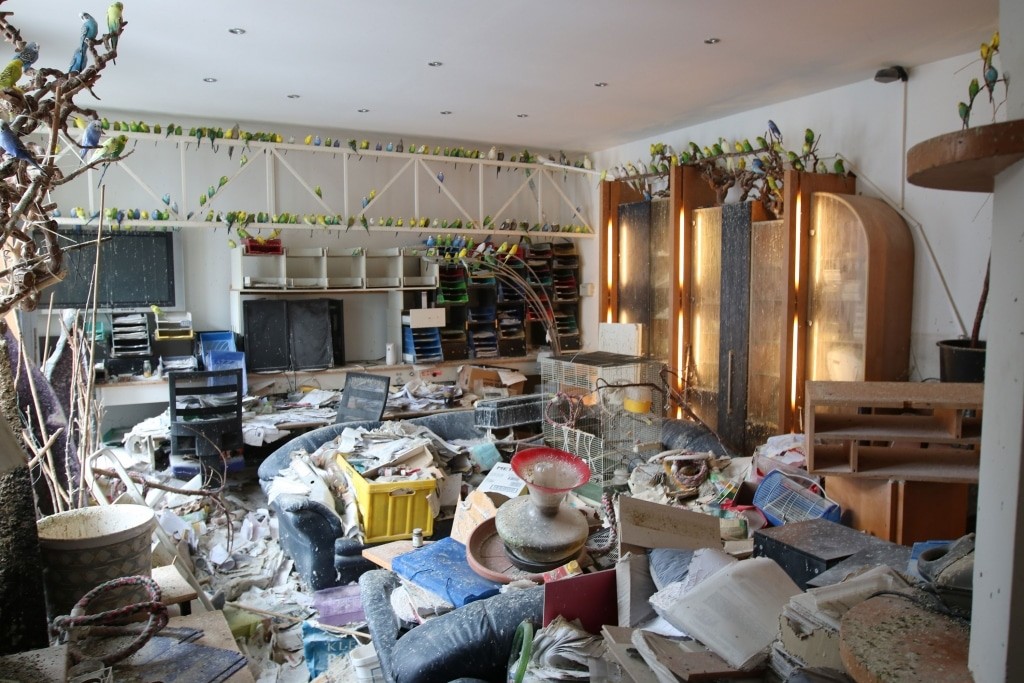
Animal Hoarding – 47 cats rescued
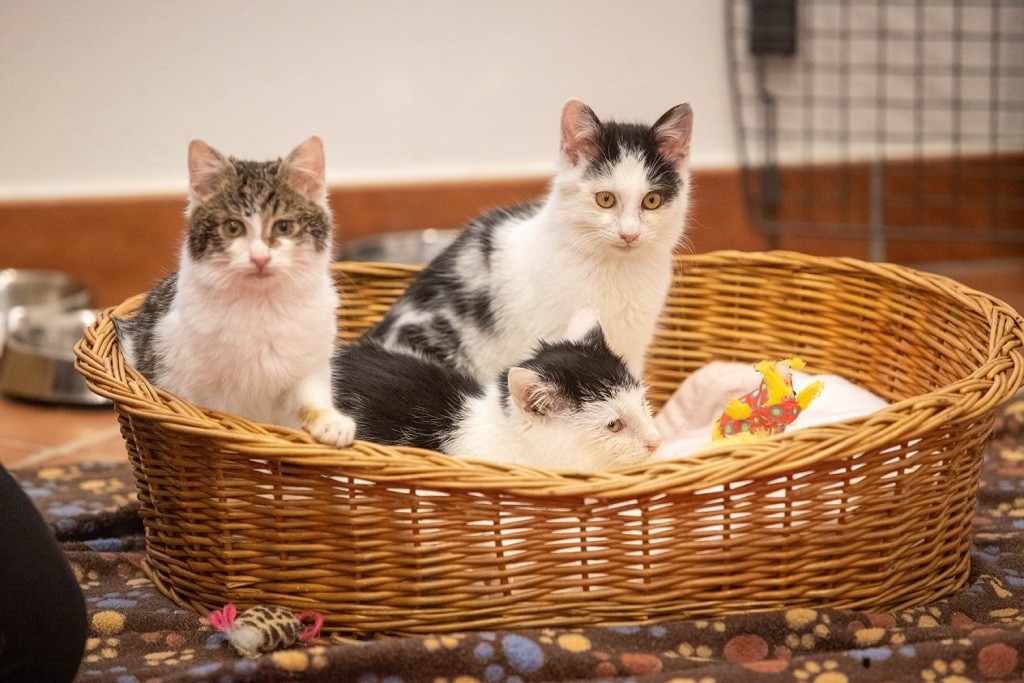
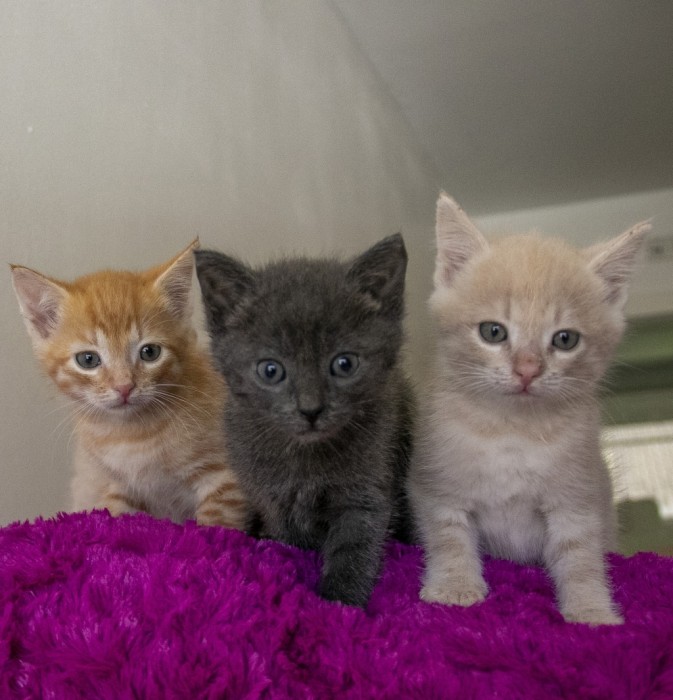
In October, we received a call for help from Vienna. A pet owner was living there with 47 cats on 50 square metres. In 2020, 4 young cats moved into his flat. As the animals were not neutered, they multiplied uncontrollably. After two years, he was already living with 47 animals in the small flat in the centre of the city. The animals lacked hygiene and veterinary care. The cats were infected with giardia, which caused severe diarrhoea in the animals. The man suffers from a mental illness known as “animal hoarding”. This is when people keep large numbers of animals. Despite their great love of animals, they are no longer able to care for them properly. The mobile team of the Volkshilfe project “A G’spia für’s Tier” (A Gift for Animals) became aware of the case and asked Gut Aiderbichl for help. The animals at Gut Aiderbichl Maria Schmolln are now being lovingly cared for in a species-appropriate manner. Read the full story here.
4 millionth visitor
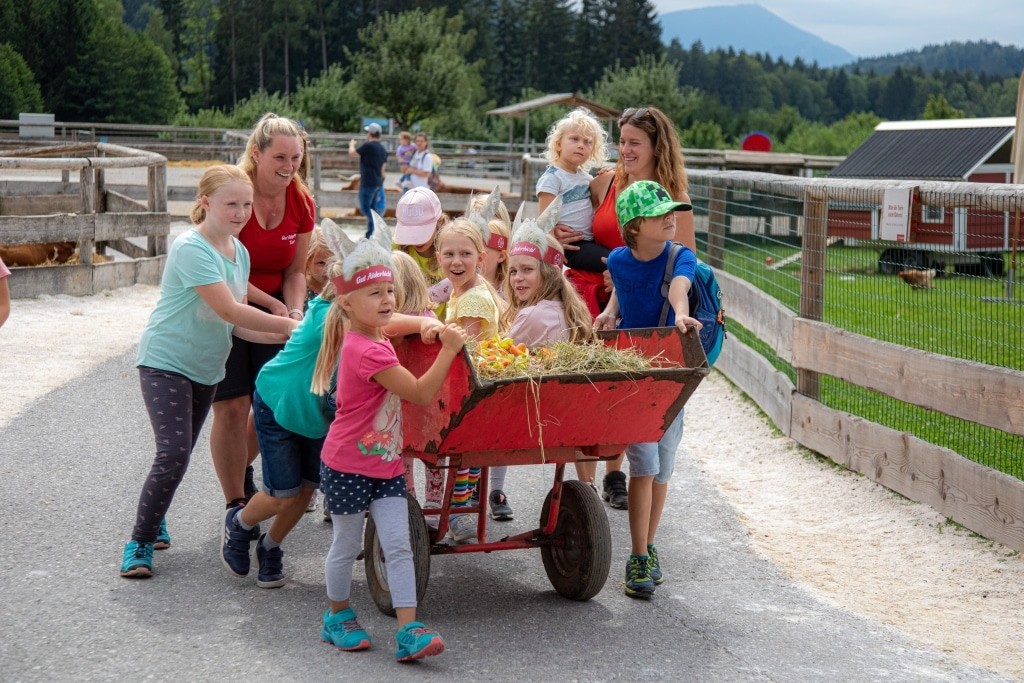
In 2022, Gut Aiderbichl welcomed its 4 millionth visitor to Gut Aiderbichl Henndorf. Our Animal Visitor Centres are located at three different sites: Gut Aiderbichl in Henndorf near Salzburg, Gut Aiderbichl in Iffeldorf near Munich and Gut Aiderbichl in Deggendorf near Passau. We look forward to your visit at all three locations. And the animals are even happier.
20 years of Gut Aiderbichl
2021 in figures
20 years ago, our founder Michael Aufhauser had a vision that gave rise to Gut Aiderbichl. Today, Gut Aiderbichl’s sphere of influence extends across the whole of Europe. The central building blocks of our success are our active commitment to animals in need, the associated communication, as well as sustainable education and knowledge transfer.
- Animal rescues in 2021: 767
- There are now over 6,000 animals living on 30 farms in 6 European countries
- Public relations: Over 300 press releases and 170,000 followers on our social media platforms
- Knowledge transfer: 1,276 people took part in 92 courses offered by the Gut Aiderbichl Academy (online and face-to-face)
2021 was an eventful year for Gut Aiderbichl. The coronavirus pandemic brought with it massive economic challenges. Our Animal Visitor Centres had to be closed to visitors, but the running daily costs of around 38,000 euros for food and staff at all Aiderbichl farms remained the same. Animal rescues also took place under more difficult conditions.
Corona also overshadowed our 20th anniversary celebrations at Gut Aiderbichl. The celebrations could therefore not be held as planned in the company of our loyal supporters and long-standing companions. Nevertheless, the tireless efforts of our employees and the growing support of our sponsors and Aiderbichl patrons allow us to continue to look to the future with optimism.
In addition to all the challenges, there were also many wonderful moments that we were able to experience. Today, we look back with pride on our valuable work for animal welfare over the past 20 years. In 2021 alone, we were able to rescue 767 animals and give them a “forever home” at Gut Aiderbichl.
Free purchase of 19 neglected horses
Among them are 18 horses that we were able to rescue from catastrophic horse keeping. In June 2021, the veterinary office asked Gut Aiderbichl for support. 19 neglected horses, some of them emaciated and with behavioural problems, need our help. Anyone who has ever seen almost starving animals will never forget the sight. The fact that one of the horses did not survive the first night after being rescued is an indication of the animals’ dire condition.
Thanks to the intervention of the Deggendorf Veterinary Office, 18 distressed animals were rescued. They are now spending their twilight years on various Gut Aiderbichl estates in Germany, Hungary and France.
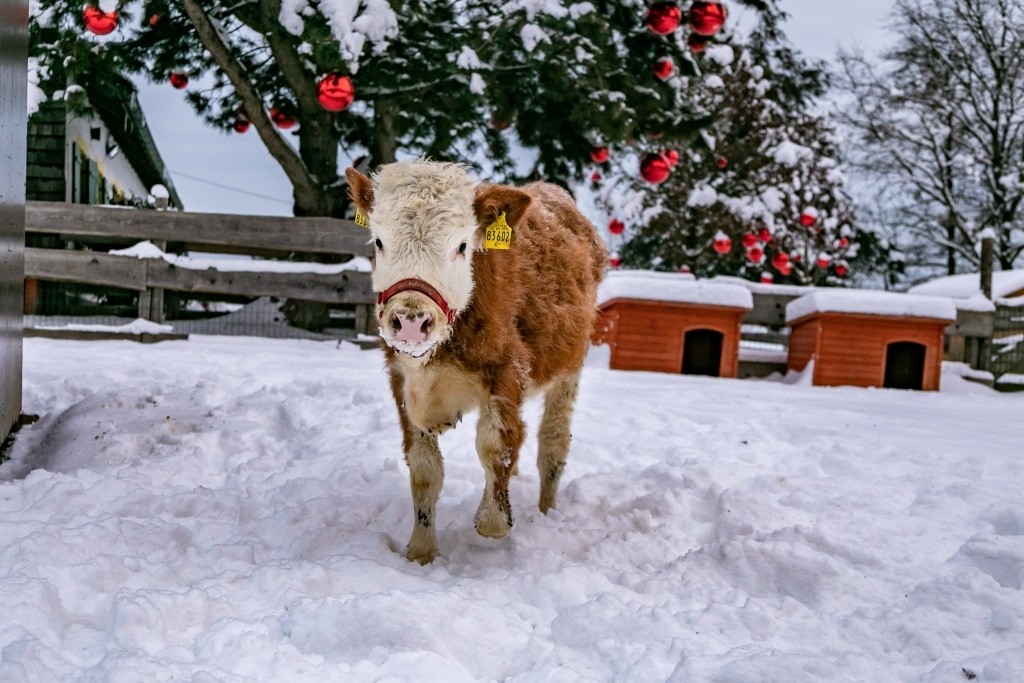
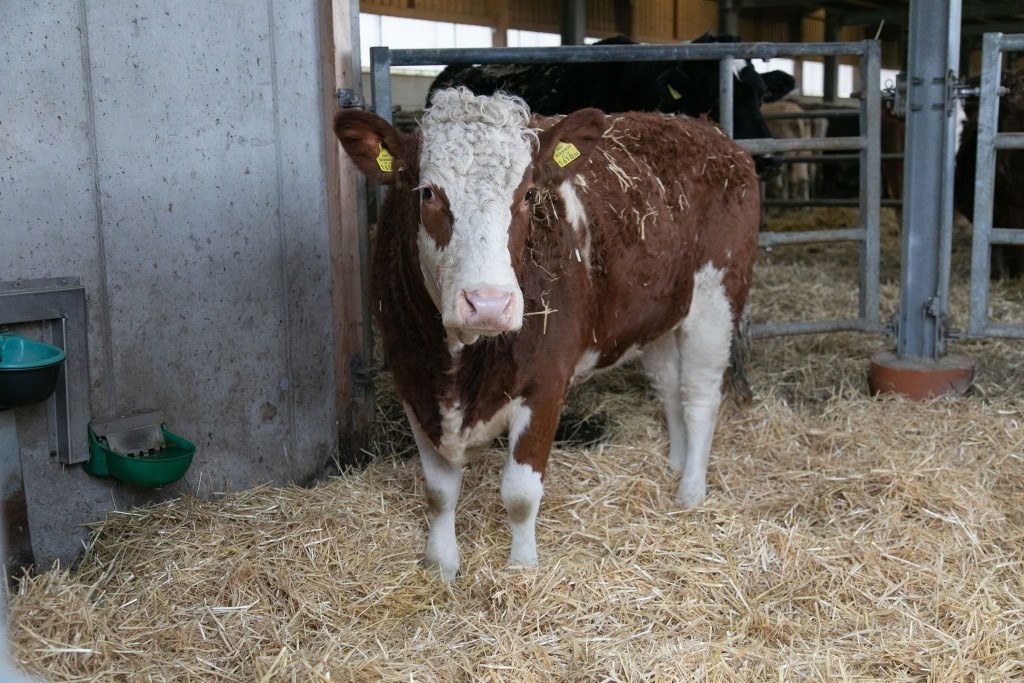
Kathi, the small cow
At Gut Aiderbichl, we have a vision of a world in which all living beings live together in absolute harmony. This can only happen if we build on cohesion and tolerance and are prepared to treat all living beings without prejudice. This is also the case with Kathi, a cow of small stature. They were born on a dairy farm. Two weeks premature and small in stature. But her own iron will to survive as well as heat lamps, blankets, cuddles with the farmers and two-hour bottle feeds help the calf to stay alive. Nevertheless, the family is unable to use her as a dairy cow or for fattening and asks Gut Aiderbichl for help. When she is admitted to Gut Aiderbichl Deggendorf, Kathi is just under a year old and the size of a four to six-month-old calf. Fortunately, she has the self-confidence of a full-grown cow, because even animals with a handicap are full of zest for life!
Squirrel reintroduction centre
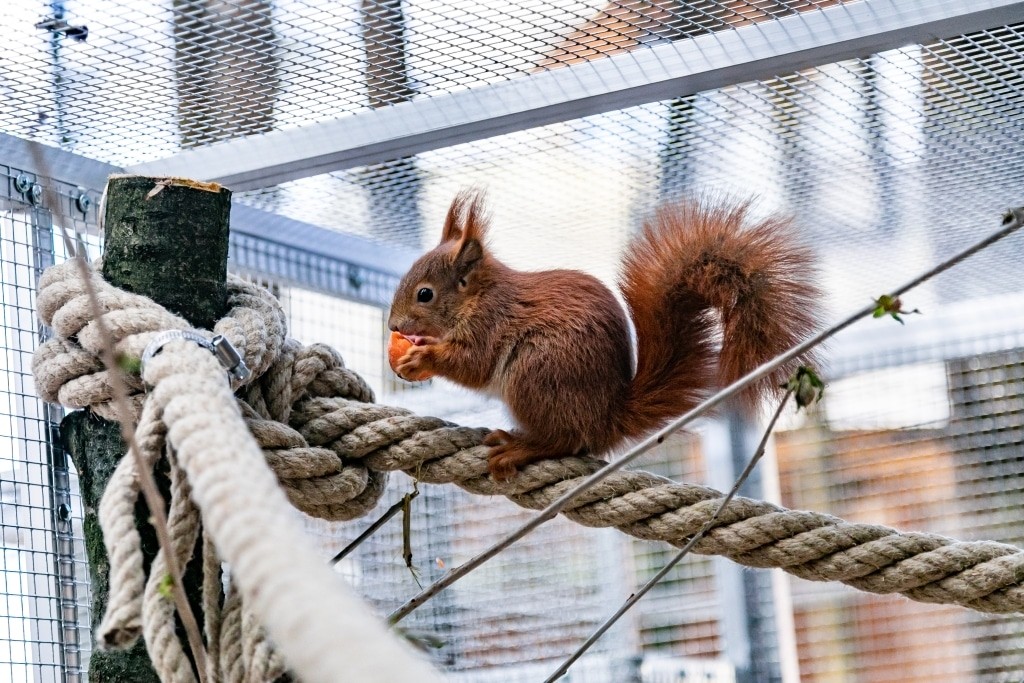
Even during the pandemic, we continued to pursue our favourite projects. In April 2021, we were able to open our squirrel reintroduction centre at Gut Aiderbichl Henndorf. We are working closely with the association Eichhörnchenhilfe Salzburg. Due to various forms of environmental damage, such as deforestation, monocultures and increased road traffic, more and more squirrels are in need. The aim is to rescue injured, orphaned or otherwise distressed squirrels, nurse them back to health and then release them back into the wild. The little rodents are nursed back to health by the Eichhörnchenhilfe Salzburg organisation and then come to Gut Aiderbichl when they are around 8 weeks old.
Opening of the Eslarn pigeon house
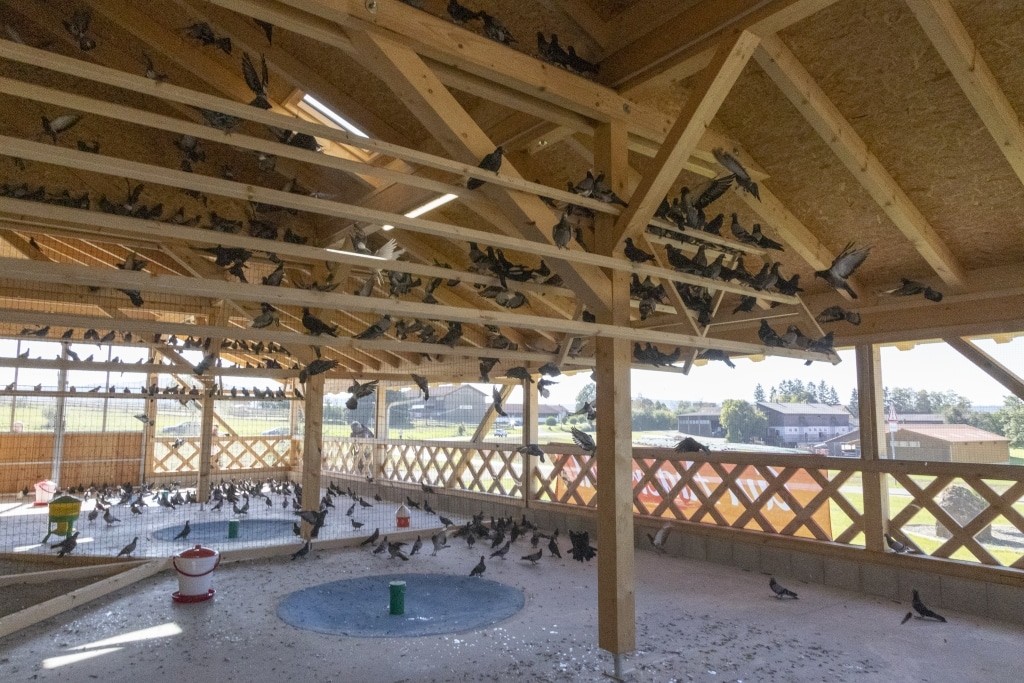
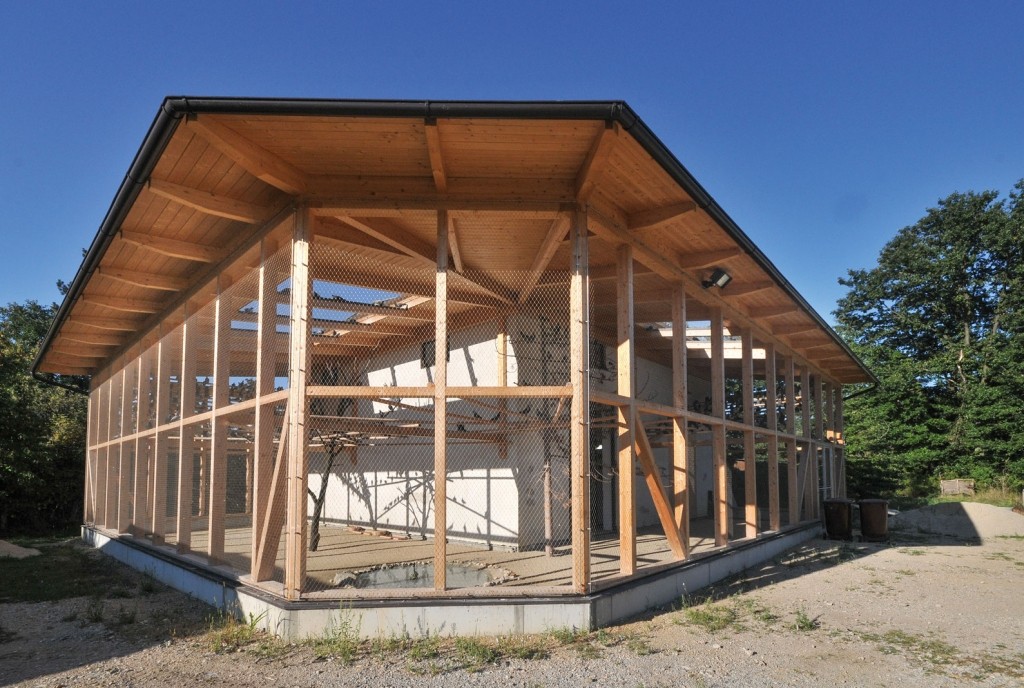
We were able to build a new pigeon house for our feathered friends in 2021. In September, we opened the pigeon house at Gut Aiderbichl Eslarn, our home farm in the Upper Palatinate. The 25 metre long and 14 metre wide bird house and a huge aviary offer space for over 1,000 rescued birds. Shortly after the opening, 70 pigeons belonging to an animal welfare organisation moved into the house.
10 years of Ballermann Ranch
We also celebrated an anniversary at Ballermann Ranch in 2021. The Ballermann Ranch was founded 10 years ago by Annette and André Engelhardt in Blockwinkel, Lower Saxony (Diepholz district). Ballermann Ranch has been part of Gut Aiderbichl since November 2018 and has already become a real visitor magnet.
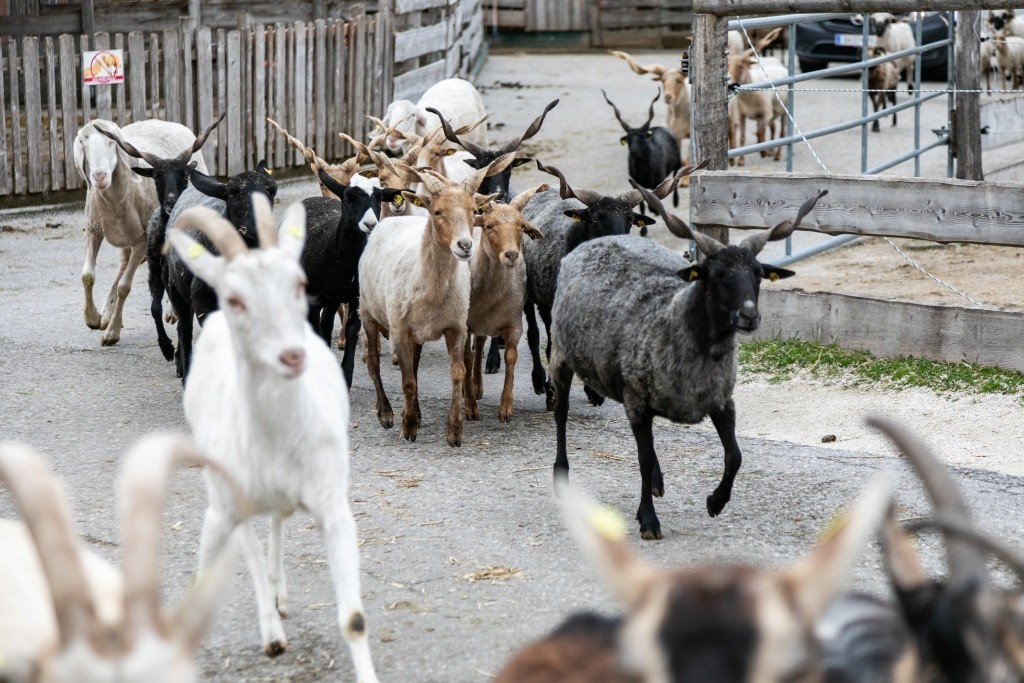
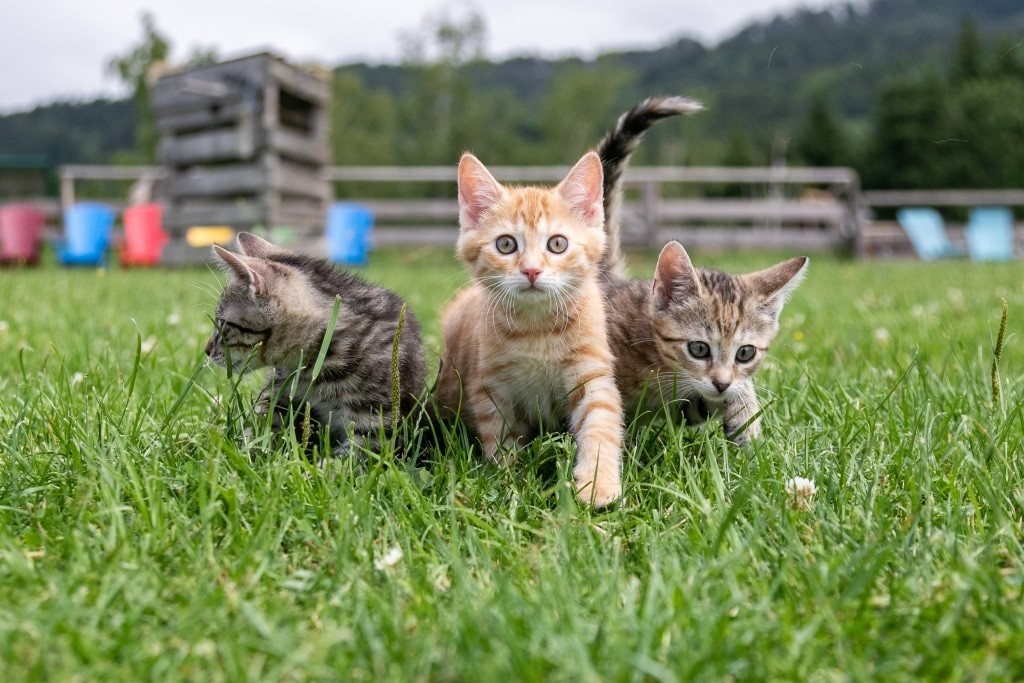
Aiderbichl in figures 2020:
- Visitors to our visitable properties since 1 January 2003: 3,500,000
- Dogs under our protection: 743
- Our employees worked over 420,000 hours per year
- The horse farmers in Henndorf walk around 32,000 steps per day. – That’s around 22 km per day!
- Treatments by farriers: 5,000
- Haloof boots needed in 2020: 125 pieces
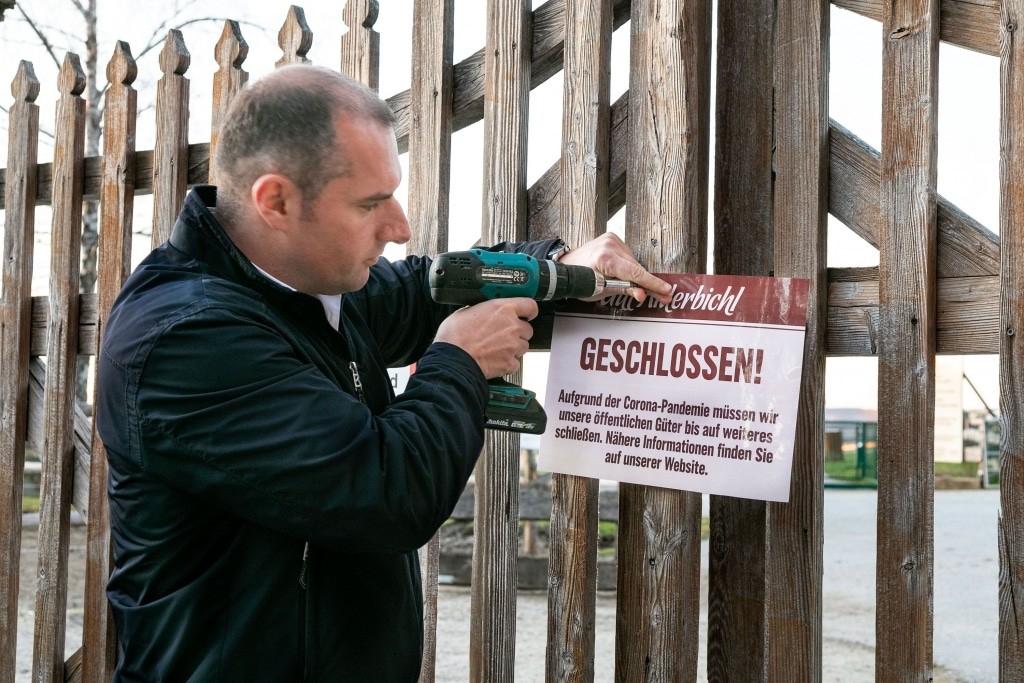
Statement on Corona
With 6,000 rescued animals and around 250 employees, we have taken on a huge responsibility for animals and people. By taking on every single animal, Gut Aiderbichl has made a promise to care for every animal until the natural end of its life. We are closely monitoring the current situation surrounding the COVID-19 coronavirus and are also in constant dialogue with the relevant authorities. We can assure you that we are as well prepared as possible for the coronavirus COVID-19 and are strictly adhering to all public requirements and beyond. Our three visitor farms in Henndorf, Deggendorf and Iffeldorf are still open daily from 9 am to 6 pm. Our visitor farms are a paradise for people and animals, surrounded by numerous rescued animals, in the great outdoors and in the fresh air.
Our animals continue to be provided with food, love and the necessary medication around the clock by our carers, and the requirements of each individual animal are catered for. We have honoured our commitment to stock up on food for the animals in order to be as well prepared as possible in the event of an emergency. You can be sure, dear Aiderbichler, that the well-being of our visitors, our employees and of course the animals is our top priority.
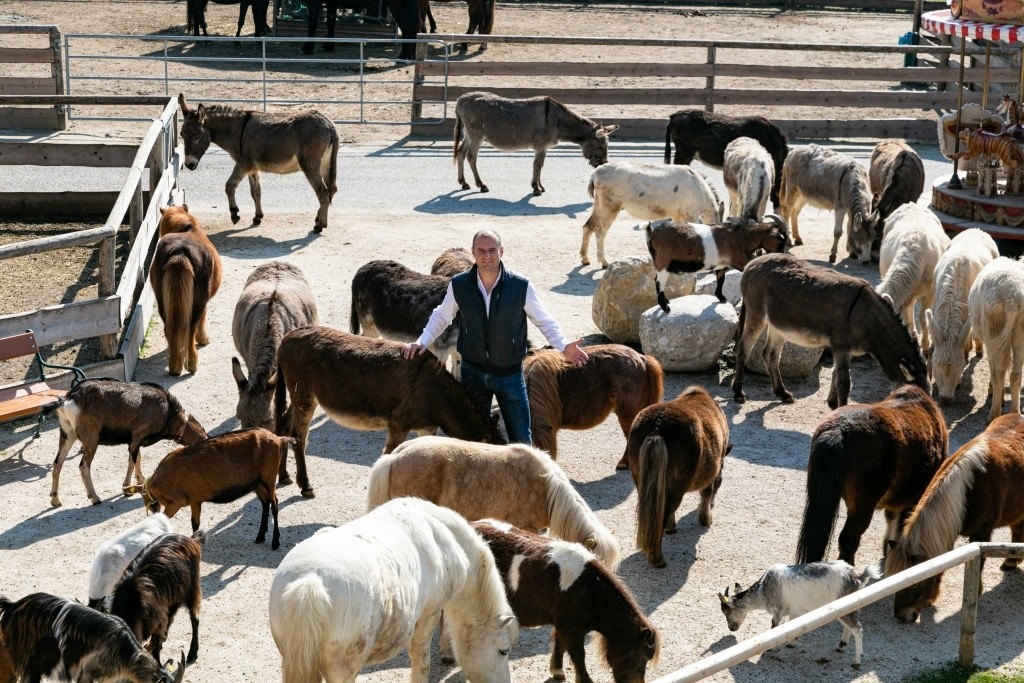
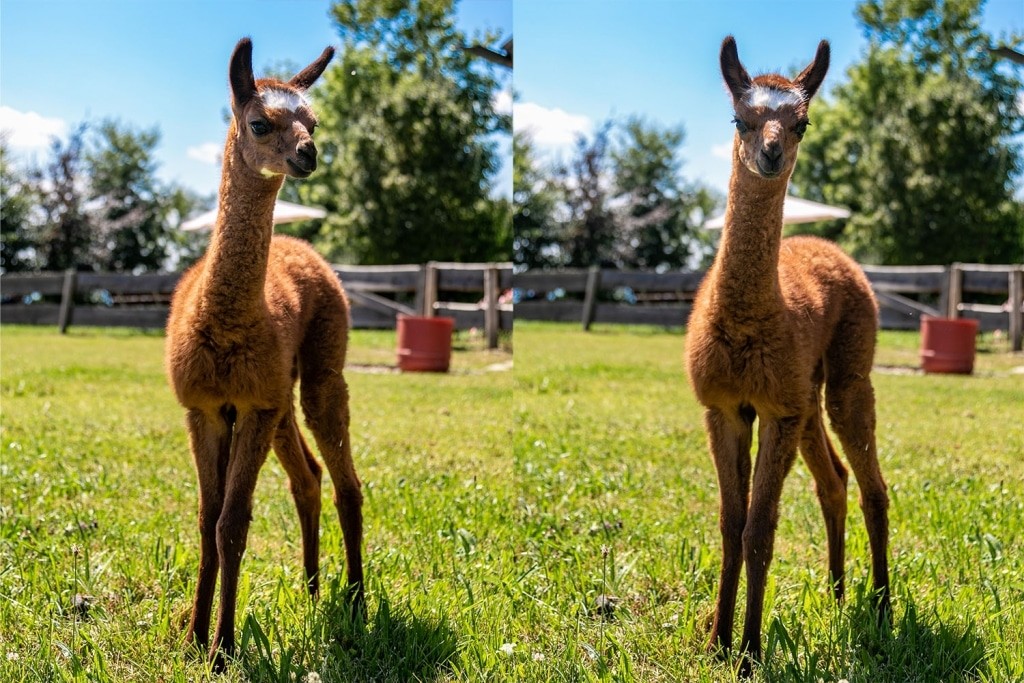
Aiderbichl in figures 2019:
- Visitors to our visitable properties since 1 January 2003: 3,500,000
- Dogs under our protection: 743
- Our employees put in over 420,000 hours of work per year
- The horse farmers in Henndorf walk around 32,000 steps per day. – That’s around 22 km per day!
- Treatments by farriers: 5,000
- Haloof boots needed in 2019: 125 pieces
What happened in 2019:
The owners of Germany’s best-known party brand Ballermann®, Annette and André Engelhardt, have donated their horse ranch in Lower Saxony to Gut Aiderbichl.
“Our daughter no longer wants to run the Ballermann Ranch. Selling it was out of the question, our life’s work should be preserved. To ensure this, the donation to Gut Aiderbichl was only logical.” So the Ballermann Ranch, the name and the history will remain. Generations of happy horses will still be able to live here. The Engelhardts run the ranch and continue to invest in the development and expansion of the paradise. “Ballermann” no longer just stands for parties, but also for rescued animals.
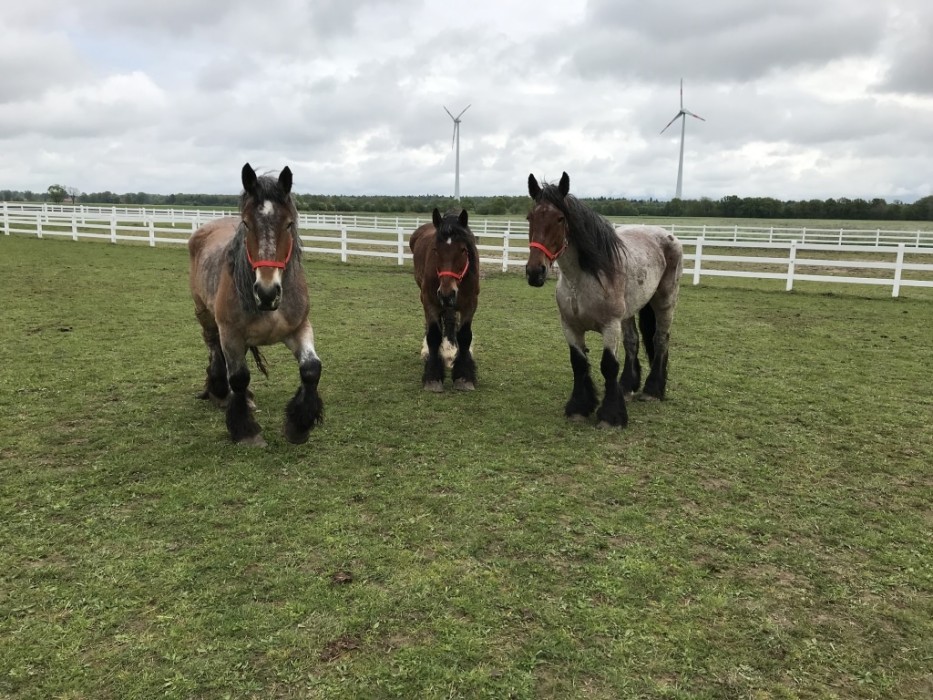
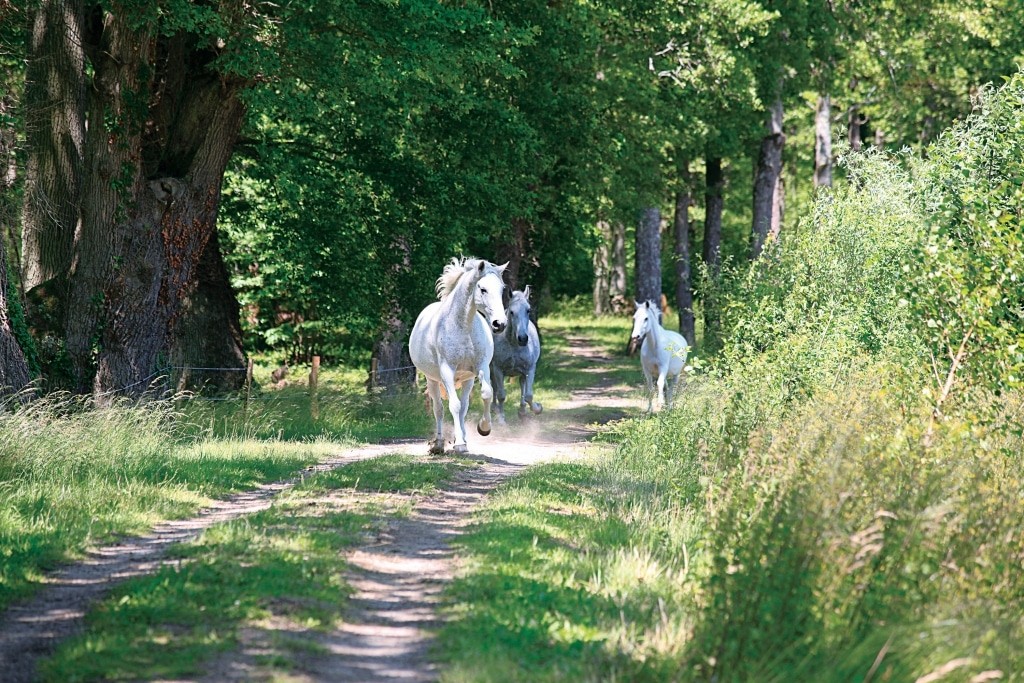
In addition to two pony pens, a cold-blooded suite was created, which enabled Gut Aiderbichl to spontaneously rescue three physically and emotionally injured cold-blooded mares, who now thunder across the paddocks with the large herd.
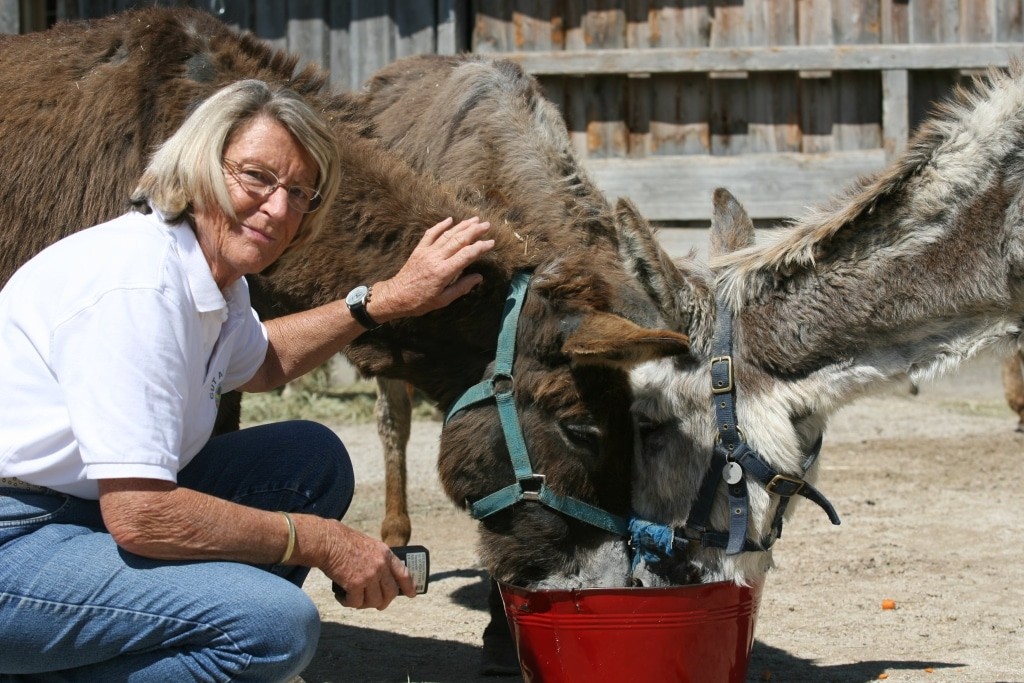
But that’s not all. “When Dieter Ehrengruber described to us the sad fate that many donkeys often have to suffer, we quickly threw our cars out of the garages and built a donkey village that now provides a safe home for 16 donkeys,” says André Engelhardt. A home in which the two little donkey babies “Harry & Sally” saw the light of day in the safety of their rescued donkey family just before Christmas. “We look forward to continuing to invest a large part of the licence income from the exploitation of the Ballermann brand in the ranch and joint animal rescue projects,” assure Annette and André Engelhardt. By the way, the Gut Aiderbichl Ballermann Ranch is open to visitors. Every first Saturday of the month at 10 am, there is a two-hour guided tour. Bookings are not necessary. Furthermore, clubs and larger groups of 10 people or more can make separate appointments. More information at: www.ballermann-ranch.com
Mr Grey’s story
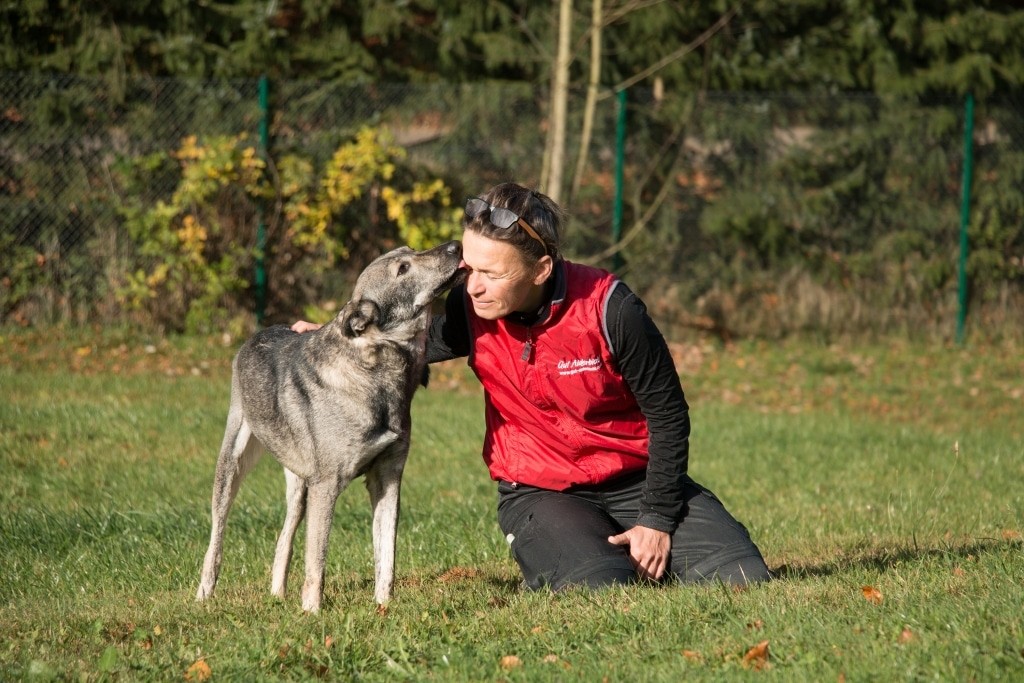
Mr Grey was found lying next to a bus stop outside Bucharest by a Romanian animal rights activist. At first she thought he was dead, as there was no sign of movement or breathing. As if that wasn’t enough, the poor animal was lying on the side of the road with its neck cut open, like discarded rubbish. The animal rights activist was shocked to the core, rushed to the motionless body and fortunately recognised faint signs of life. Together with another animal rights activist, she immediately took Mr Grey to a vet, who was able to save him from certain death at the very last second and treat all visible wounds.
Healing the internal – psychological – wounds would still take a long time.
Mr Grey was initially able to recover at the animal rights activist’s shelter and slowly regained his strength and was able to stand up and drink on his own again. The animal-loving rescuer contacted Gut Aiderbichl and asked for help. Only a short time later, the Aiderbichl estate managers Anita and Klaus came to pick up the poor dog as part of the Gut Aiderbichl stray dog campaign. But Mr Grey lay huddled in the corner and growled menacingly at the experienced Aiderbichler. Nevertheless, she managed to put a harness on the frightened and traumatised dog and put him in a transport box. Mr Grey growled because he was simply terrified. Fear from experience.
For the first time in his life, the abused animal was no longer a homeless dog. He no longer had to go to sleep hungry and afraid. That was over, he became an Aiderbichler for life!
Two kilometres before Gut Aiderbichl in Maria Schmolln, Anita let Mr Grey, who had realised that something was changing for the better in his life, out of the car. They walked the last stretch together to give him a sense of arrival, to slowly get to know and sniff his new home. Within a few weeks, Mr Grey settled into his new home and became part of a pack of 16 dogs.
Mr Grey has been through unspeakable things in his life. He has had to get to know the worst qualities of people and look into the deepest abysses. By rescuing us, he has consciously allowed himself to become involved with us humans again. He relied on us, trusted us and gave us a chance to show that there is another way, that humans and animals can live together. Gut Aiderbichl is the home of the rescued animals, we are the strong voice of animals and help where we can. Please support us in our work and help us with a donation or a symbolic sponsorship for Mr Grey or our many other rescued animals!
Aiderbichl in figures 2018:
Affen Refugium: Consumption
- Around 6,000 litres of milk
- Around 2,000 pieces. eggs
- Around 1,800 portions of yoghurt
- Around 3,000 heads of lettuce
- Around 11,000 kg of fruit
- Around 58,000 kg of vegetables
Employees and visitors:
Our employees put in over 400,000 working hours a year.
The horse farmers in Henndorf walk around 32,000 steps per day. – That’s around 22 kilometres per day!
Over 5,000 treatments are carried out by the farriers on our farms!
Our three Animal Visitor Centres (Gut Aiderbichl Henndorf, Deggendorf and Iffedorf) have already recorded over 3 million visitors!
Stefan survived the flame inferno!
Stefan, a Fleckvieh bull calf, was born on 30 January 2017 in Tyrol. Two months later, he was brought to Bergheim near Salzburg and then transported to Lower Austria, where he lived on the fattening farm until the day that almost cost him his life.
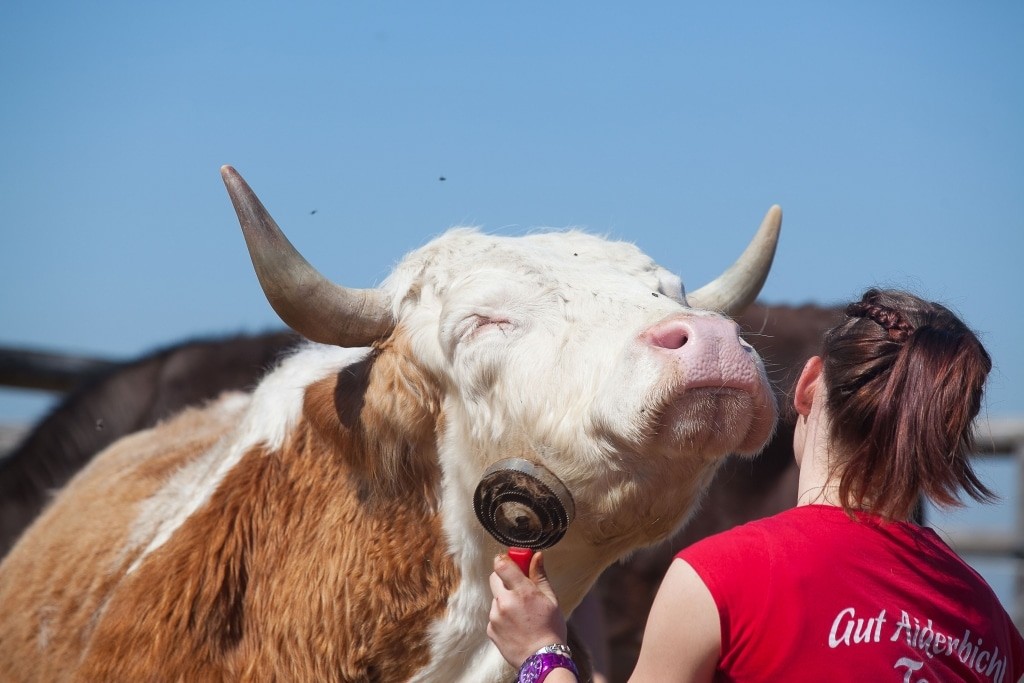
In a small community in Lower Austria, the barn where Stefan was living caught fire. 124 firefighters and the Red Cross were deployed. But it wasn’t people who were affected by the fire. There were around 80 male cattle in the stable buildings. Around 40 died an agonising death in the disaster. In the part of the barn where Stefan was standing, he was the only survivor. Around 80 per cent of his skin was burnt. Stefan came to Gut Aiderbichl in a roundabout way and our animal keepers had never before been confronted with an animal so badly burnt. But Stefan behaved very well and was not shy towards people – quite the opposite. His skin requires daily care – even today, several months after his arrival. It takes at least an hour a day to care for him, plus regular veterinary checks. Because his fur is missing, and we don’t know how much of it will grow back, he needs to be protected from the cold, wet and sun. But Stefan is on the mend and is now happy about every visit.</p
Gertraud Gruber celebrated her 97th birthday
Gertraud Gruber, founder of Europe’s first beauty farm and long-time Aiderbichler resident, celebrated her 97th birthday.
The great animal lover, thanks to whose support Gut Aiderbichl Iffeldorf – the Gertraud-Gruber-Osterseehof – was made possible in the first place, naturally paid a visit to the rescued animals at Gut Aiderbichl Iffeldorf on her special day.
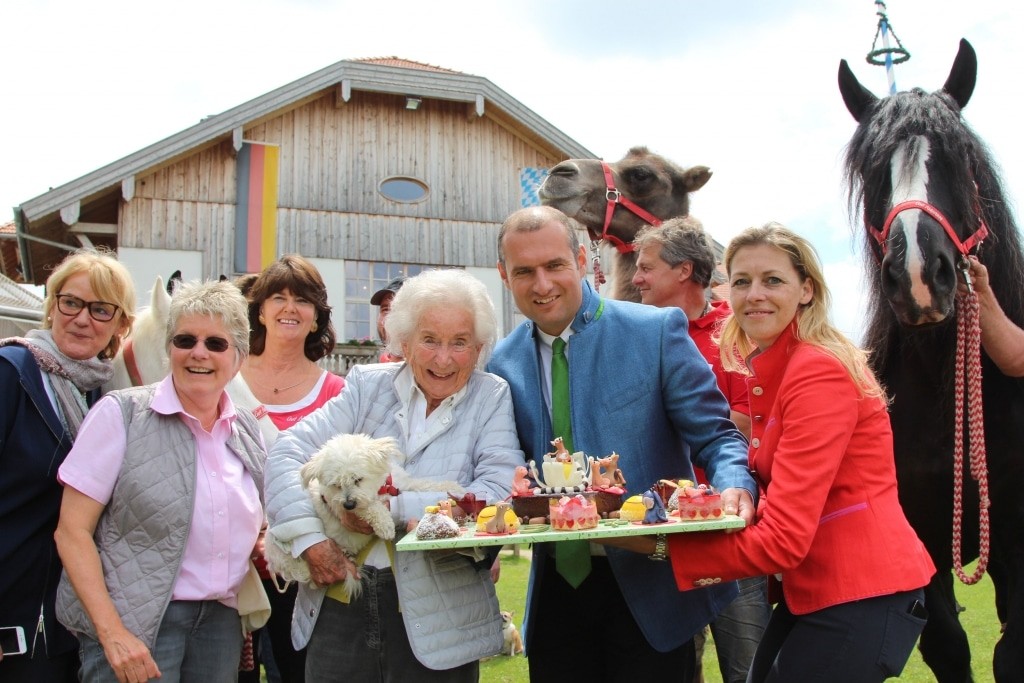
Aiderbichl Managing Director Dieter Ehrengruber had prepared a surprise for her arrival: All the staff and the animals stood on a guard of honour to welcome Gertraud Gruber and wish her all the best for her birthday. We would like to thank Gertraud Gruber from the bottom of our hearts for her commitment and love of animals and wish her all the best for the future!
Thank you on behalf of the rescued animals!
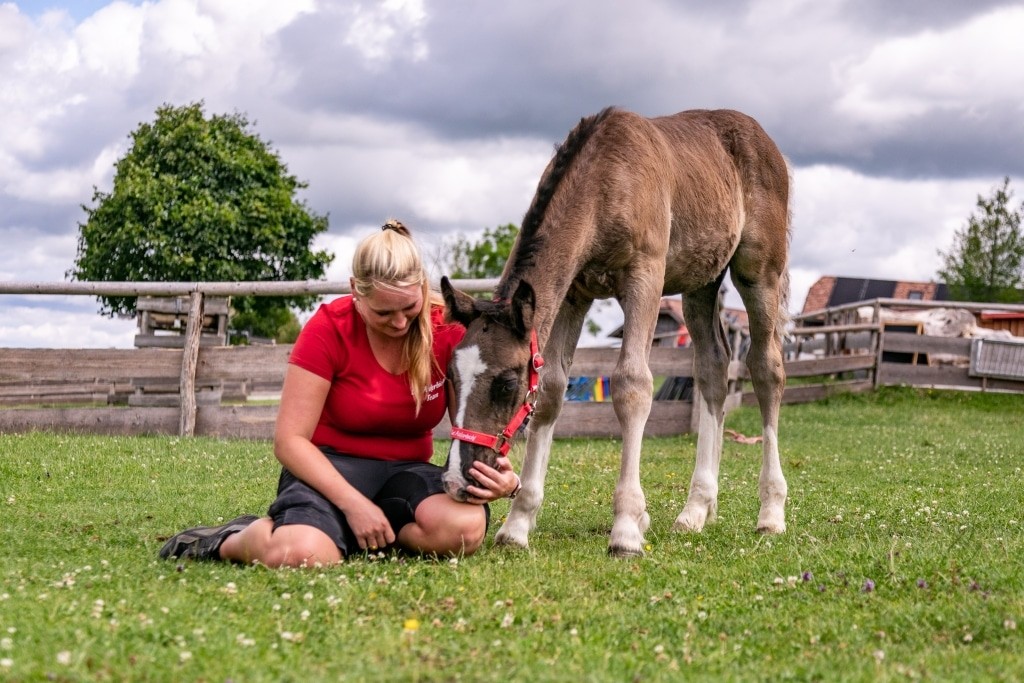
Orphan foal Chris – after five days he lost his mum
On 24 April 2018, the little Shetland pony foal Chris was born on a small farm in Salzburger Land. His mother lovingly cared for her foal. After just a short time, Chris stood unsteadily on his own two feet and drank his first important milk. Everything seemed perfect, but the very next day the pony mare’s condition deteriorated noticeably. She received veterinary care, but there was no improvement. She became weaker and weaker and was no longer able to suckle Chris. The lives of mother and foal were at stake. So her owner contacted our horse farmer Martina and asked if she knew of a nurse mare who could nurse little Chris.
However, nurse mares are rare and even if one is found, it doesn’t automatically mean that foster mum and foal will get along. In consultation with Dieter Ehrengruber, Martina suggested taking the mother and foal to the equine clinic, where they would be under constant supervision. Our team set off that very night, hoping that it wouldn’t be too late.
The pony mare was treated immediately at the clinic – the vets left no stone unturned and fought desperately for the mare’s life. But they were to lose the battle three days later. Little Chris became an orphan foal after just five days. Chris’ owner could not guarantee that he would be bottle-fed. After all, this meant bottle-feeding the foal every two hours – even at night! So Martina agreed to take on this important task – together with her team. But one thing was clear from the outset: Chris needed friends and, above all, a foster mum to teach him everything a pony needs to live. Martina thought about which pony would be suitable and in the end only a pony that was calm and relaxed was shortlisted: Bubi. That’s right – a pony gelding – a foster dad. Without further ado, we loaded him onto the trailer and made our way to the equine clinic to pick up little Chris. The doctors and we eagerly awaited the first meeting of Bubi and Chris there. Would it work? We hoped and worried – and lo and behold, Bubi and Chris hit it off straight away. Bubi approached the little orphan foal very carefully and let him know that he would now be there for him.
Watching this touching scene lifted a huge weight off everyone’s shoulders. Finally, we loaded them up and set off towards Gut Aiderbichl Henndorf, where they were already eagerly awaiting their arrival. A box had already been prepared for them. Little Chris is now fed with milk every two hours. Right next to him is Bubi, the loyal foster dad, who then chews on a carrot with relish, but at the same time always keeps a watchful eye on Chris. The little pony stallion’s life still consists mainly of eating and sleeping. But he has already taken his first steps across the estate and soon Bubi will show him all that life at Gut Aiderbichl has to offer. If he stays healthy, Chris will be with us for around 35 to 40 years. During this time, we will do everything we can to offer him an animal-friendly and species-appropriate life with the best possible husbandry and care.
Aiderbichl in figures:
Affen Refugium: Consumption
- Around 6,000 litres of milk
- Around 2,000 pieces. eggs
- Around 1,800 portions of yoghurt
- Around 3,000 heads of lettuce
- Around 11,000 kg of fruit
- Around 58,000 kg of vegetables
Employees and visitors:
Our employees worked over 400,000 hours a year.
The horse farmers in Henndorf walk around 32,000 steps per day. – That’s around 22 kilometres per day!
The farriers carry out over 5,000 treatments on our farms!
Our three Animal Visitor Centres (Gut Aiderbichl Henndorf, Deggendorf and Iffedorf) have already recorded over 3 million visitors!
Another Aiderbichl year is over. Animal fates know no annual rhythm, no weekends, public holidays, no holidays or rest periods where you only keep yourself ready for emergencies. That is precisely what makes our work so special, that we are always on the ball and remain open and attentive to the fate of animals. And as we are confronted with so many fates on a daily basis, we have decided to create this annual review in which we look back on the most moving and touching moments of 2017. We are constantly experiencing so many moments that simply get lost in the daily grind and are usually never published. In this annual review, we have taken the liberty of presenting these stories authentically and in more detail so that they are not forgotten by us or by you. It is intended to illustrate the work of the Gut Aiderbichl team. Everything that is done here lovingly and competently for animals.
Our beloved Lucy (born 2000, passed away on 24 February 2017)
Our Lucy (16) was a “co-founder” of Gut Aiderbichl. Animal lovers had rescued her from a Spanish animal shelter, but Lucy was so traumatised that she eventually became an Aiderbichler. She belonged to the breed of Spanish hunting dogs, for which there are some very strange preparations for their tasks in Spain. They are simply starved for a long time so that they quickly pick up the tracks of hares or pheasants. These “preparations” characterised Lucy until the end. Her hunger seemed insatiable – as if she wanted to prepare for “bad times”. Another trauma was her panic about loud noises, such as church bells or fireworks. If she only heard church bells on television, Lucy immediately became frightened and hid. I can still remember the day Lucy came to us. Her fate touched me and from the very beginning we had a special bond. Lucy accompanied Michael and me everywhere. She loved the trips to Gut Aiderbichl and with her friendly, loving nature she captivated everyone. It was also thanks to her that DJ Ötzi was able to overcome his fear of animals at Gut Aiderbichl Henndorf in 2004. Michael Aufhauser showed him that no animal is inherently evil and, very hesitantly, DJ Ötzi finally overcame his fear and stroked Lucy. A moment that he and we will always remember. Lucy loved the “togetherness”. She enjoyed playing with her friends Jeanny, Snoopy, Rikki and Lulu, and afterwards enjoyed a nap in the sun. Lucy was very special with her caring nature – also for my daughter Laura. Lucy loved Laura more than anything and never left her side from the very beginning. They seemed to look out for each other and they had a special friendship. Of course, as Lucy got older, her first aches and pains became noticeable. Everything slowed down a little and Lucy was no longer quite so boisterous. But Lucy never lost her zest for life – on the contrary. She enjoyed every day and showed us how wonderful it can be to simply enjoy life. And we were happy every day that we were allowed to be a part of Lucy’s life.
Lucy always had a very special relationship with Michael Aufhauser. She hardly left his side and after his serious illness in May 2015, she focussed even more on me. Lucy immediately recognised my joys and sorrows – she knew me inside out. And especially in difficult times, she gave me hope and strength again.
Over the past week, I noticed that Lucy was increasingly losing her strength. She no longer really wanted to eat and, after a short walk, preferred to go back to her warm basket and sleep. I suspected that we wouldn’t have much time left. We spoilt her with all kinds of treats and enjoyed every hour we had left with her.
Then on Friday morning I had to go to an appointment in Lower Austria. I checked on Lucy in the morning. She was lying peacefully in her basket, lifted her head and looked at me. She was tired but not in any pain. Still worried, I set off. I knew that there was always someone around Lucy to check on her, but my thoughts were still focussed on my beloved Lucy. I quickly made my way back after the appointment and when I got back to Salzburg in the afternoon, my first thought was for Lucy. She looked at me and I knew that the time had come to say goodbye. I reminisced about the many years with Lucy while I stroked her and spoke to her. She was very calm and breathing heavily. I called the vet to help Lucy on her last walk – she shouldn’t have to suffer.
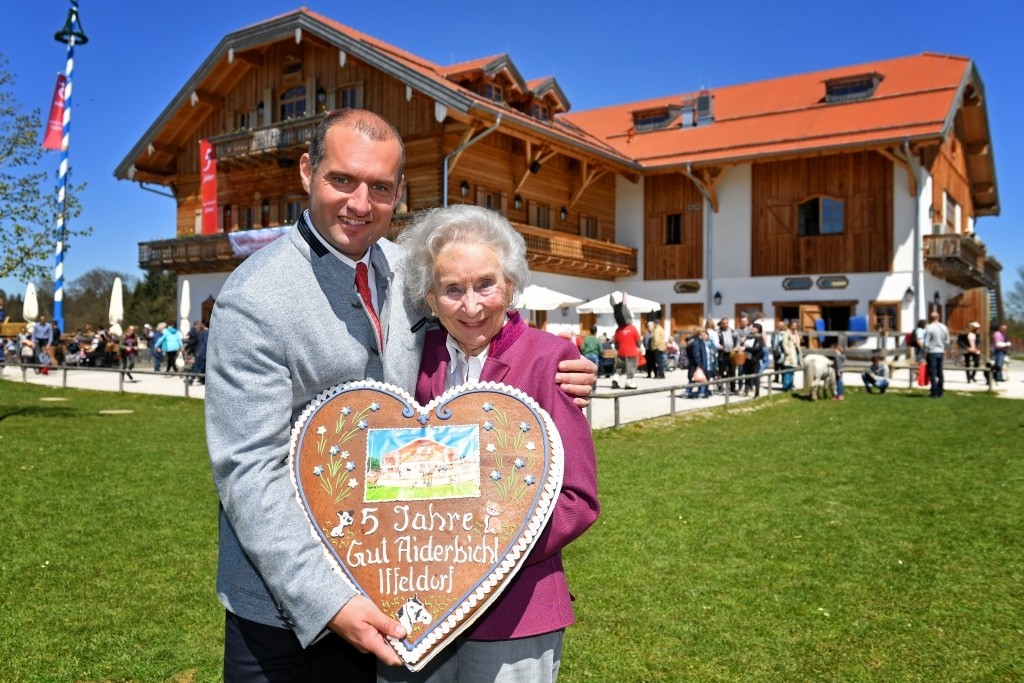
5 years of Gut Aiderbichl Iffeldorf: 30th April 2017
On Sunday, we celebrated the 5th anniversary of Gut Aiderbichl Iffeldorf, the Gertraud-Gruber-Osterseehof. In bright sunshine, more than 2,000 Aiderbichlers and animal lovers made their way to spend an unforgettable day together with us and our rescued animals.
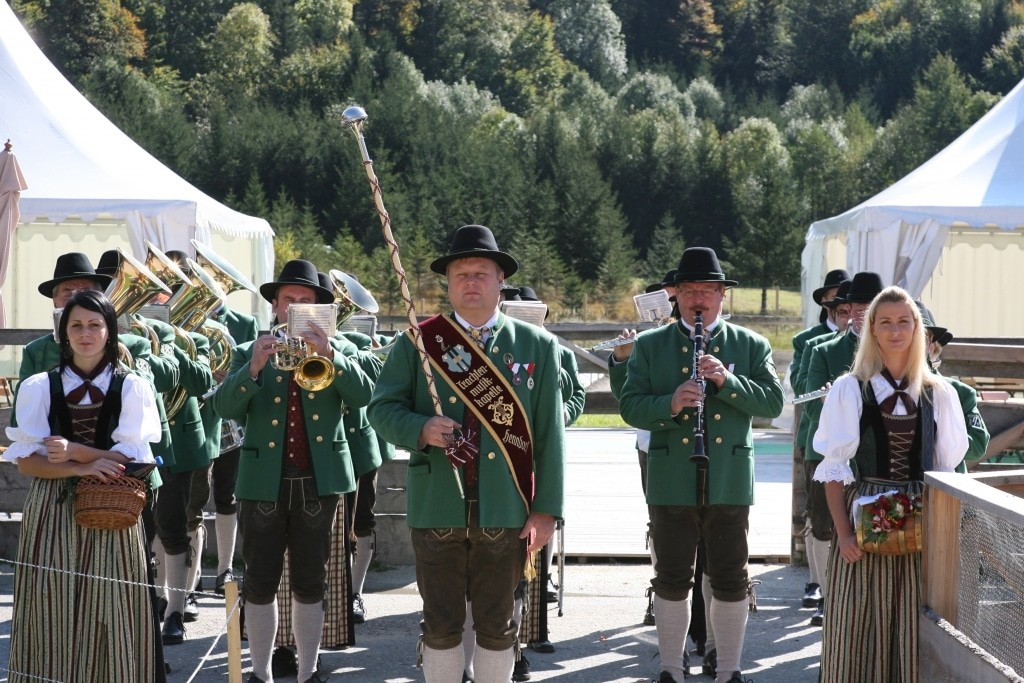
In the morning, the Iffeldorf band played in the large marquee before Aiderbichl Managing Director Dieter Ehrengruber welcomed the guests at 1pm.
Many thanks were of course due to Mrs Gertraud Gruber, without whom the “Fairytale of Gut Aiderbichl Iffeldorf” would not have been possible, the mayor of the municipality of Iffeldorf, Mr Hubert Kroiß, and our estate managers Hansi and Martina Süß, who together with their team work hard for the animals every day.
Let’s go!
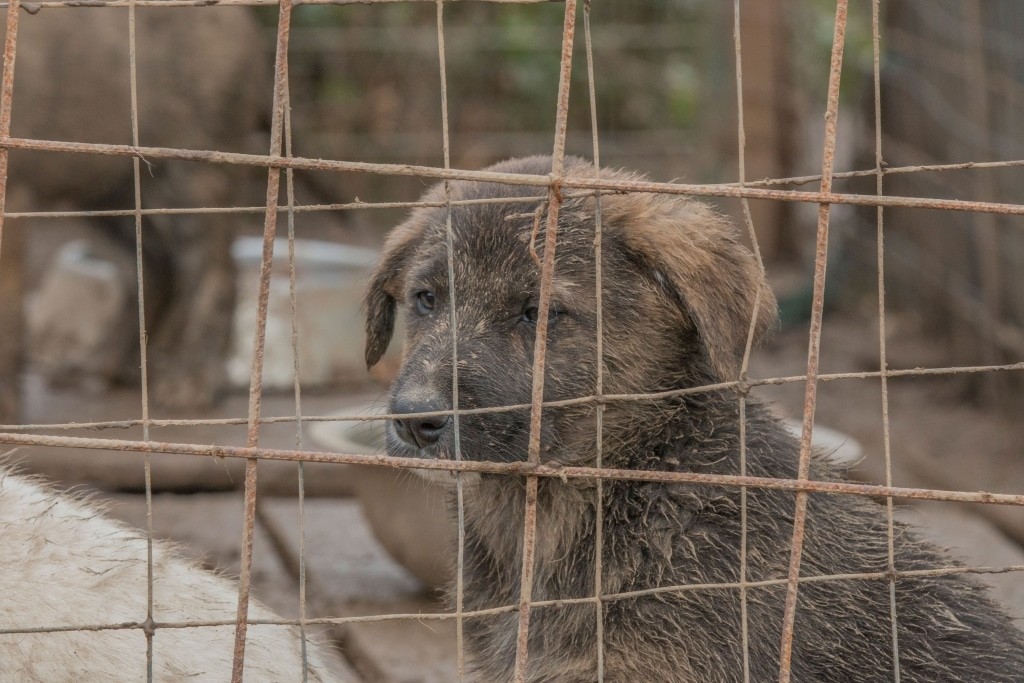
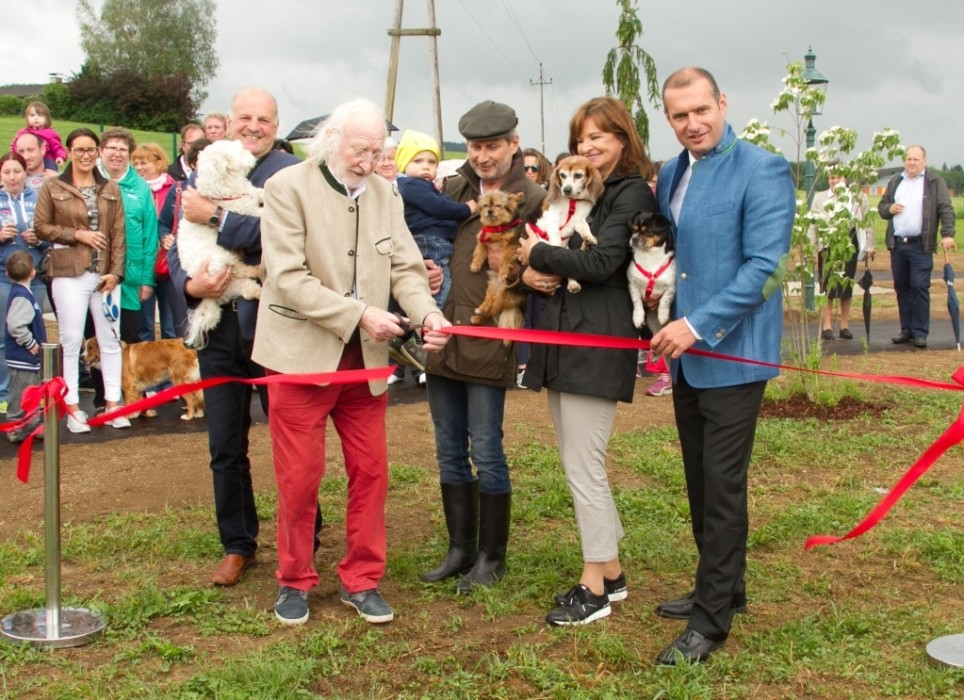
Running around carefree, romping and playing with other dogs is the epitome of bliss for dogs. On the 1000 m² meadow in the centre of Henndorf, the 170 registered four-legged friends in the municipality can now let off steam for all they’re worth. And the owners are happy too.
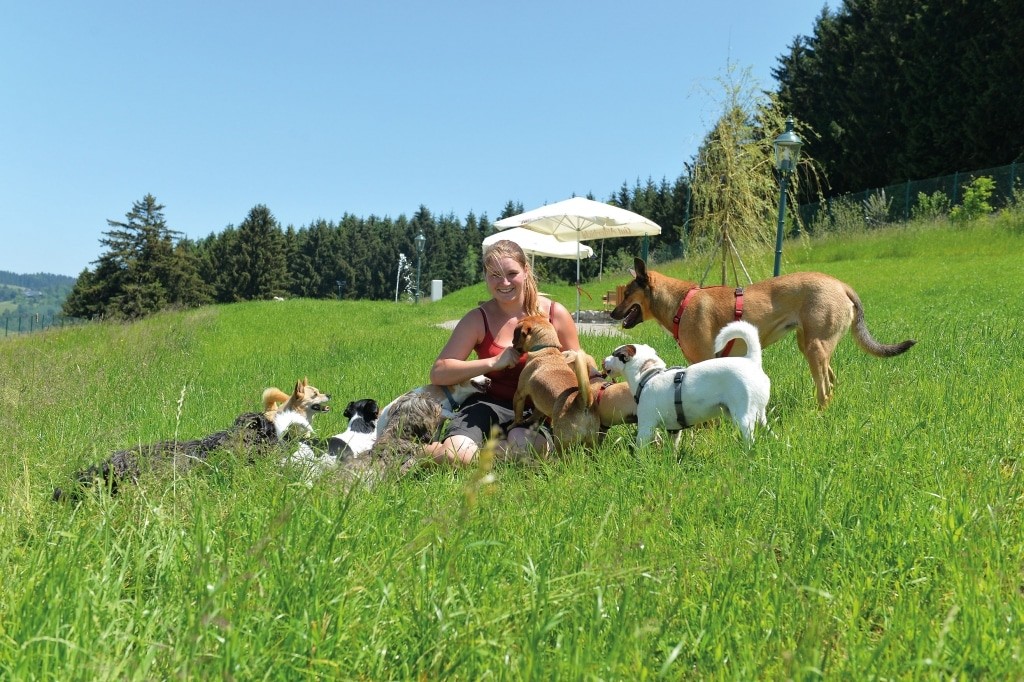
Every day, many of man’s best friends enjoy themselves on the 1000 m² fenced-in meadow, which was made possible by a farming family and the Aiderbichl Estate, which paid for the lease of the meadow and took care of the fencing and management. Both residents and tourists on holiday in Henndorf with their four-legged friends can now allow dogs of all ages and breeds to run and play freely. The area of the new dog run is fenced in, there is a paved path and also a bathing area,” explains Aiderbichl Managing Director Dieter Ehrengruber. Our answer to the leash requirement!
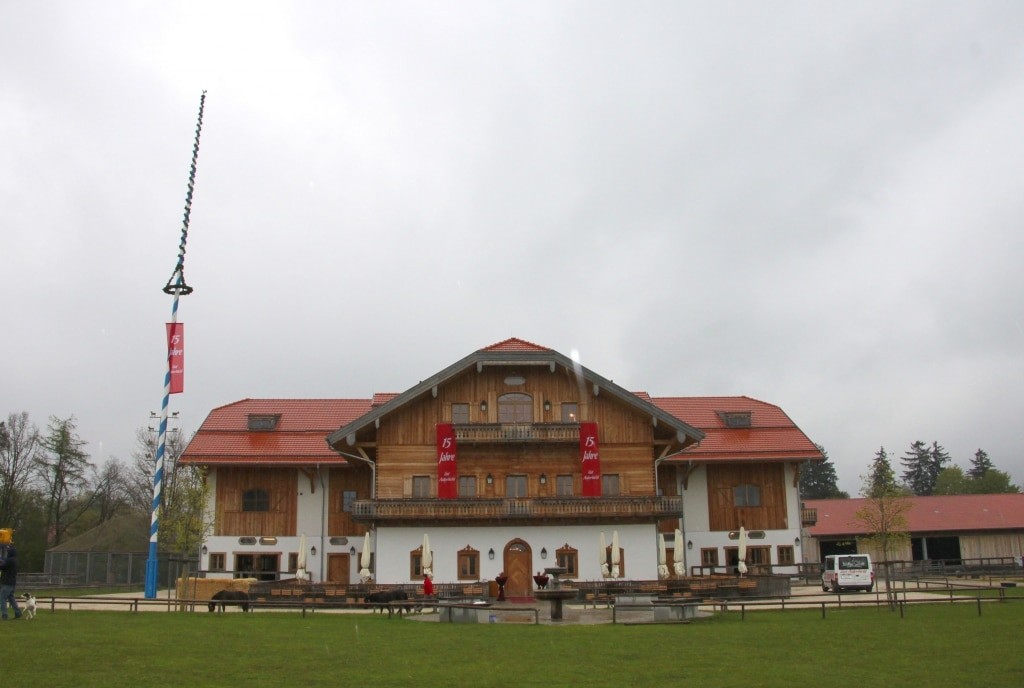
15 years of Gut Aiderbichl
15 years of love for animals
2016 was an eventful year, but at the same time a successful one for our rescued animals. There were sad moments when we had to say goodbye, but also many touching animal fates where we were able to say yes thanks to the valuable and loyal support of the Aiderbichler community. Without them, our ongoing commitment to animals in need would not be possible. And in our anniversary year, we celebrated this together with many Aiderbichlers in the midst of our rescued animals.
Working around the clock for our orphan lambs Mimi, Leila and Liesl
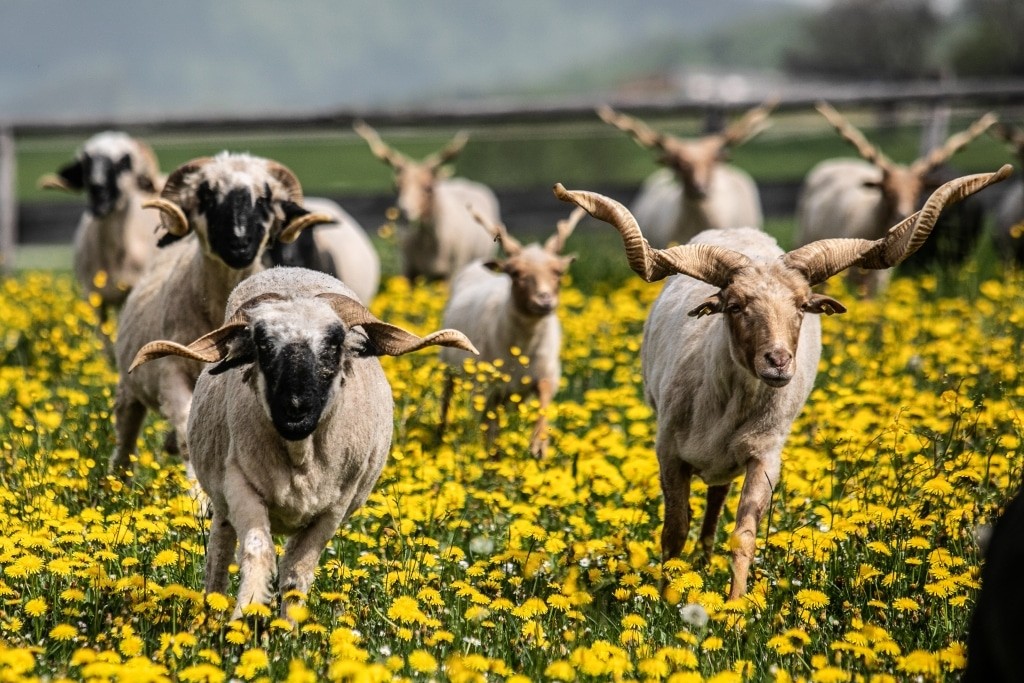
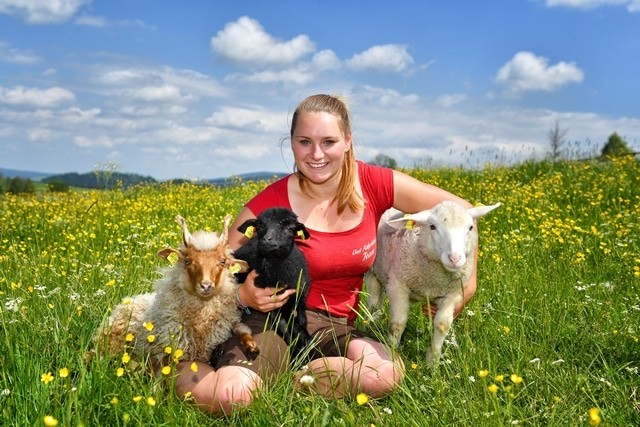
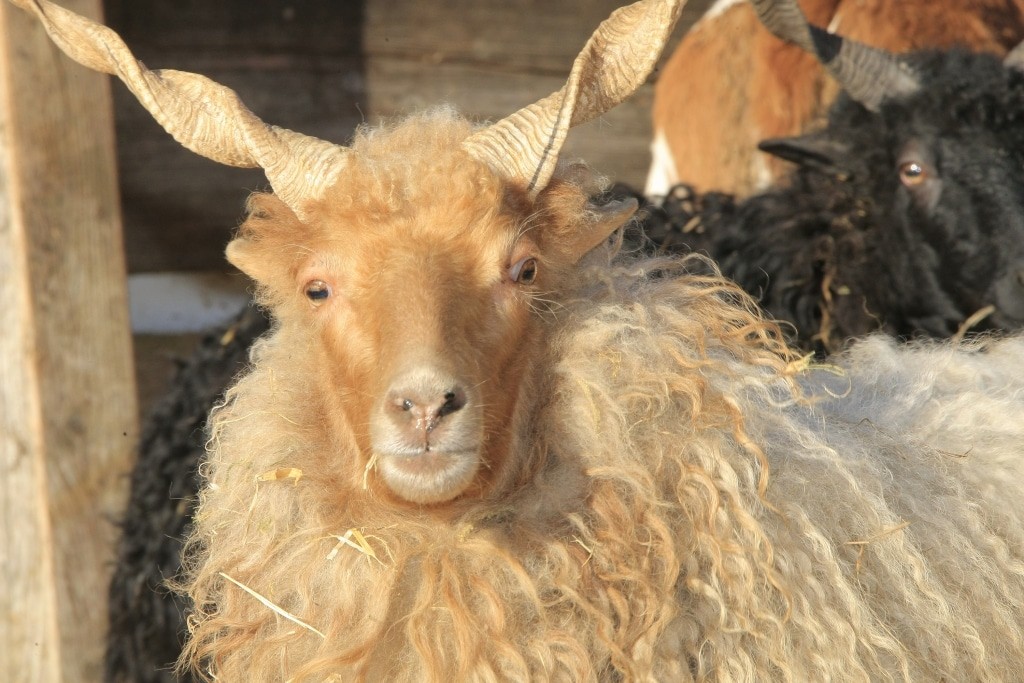
Orphan lamb Mimi, who belongs to the endangered breed of Zackel sheep, was one of the first animals rescued in our anniversary year. The little lamb was born on 20 January 2016 and was in distress shortly afterwards. Mimi’s mother died shortly after giving birth. No other sheep in the flock accepted the orphan lamb. When our horse farmer Martina learnt of this fate, she took the little lamb in and bottle-fed her. And as Mimi needed milk every few hours, Martina took the little lamb home with her in the evenings. Mimi became Martina’s constant companion. But she also needed mates and found a friend in Leila, a triplet lamb who was not accepted by her mother. The trio was eventually completed by Liesl, a Cameroon ewe lamb. Liesl was also rejected by her mother and was to be killed. We were able to prevent this by taking in the lamb, which was only a few hours old. Thanks to our experience in rearing bottle-fed lambs and the efforts of our horse farmers Martina and Eva, Mimi, Leila and Liesl made it. They can now enjoy a carefree life with us.
The maypole of the animals
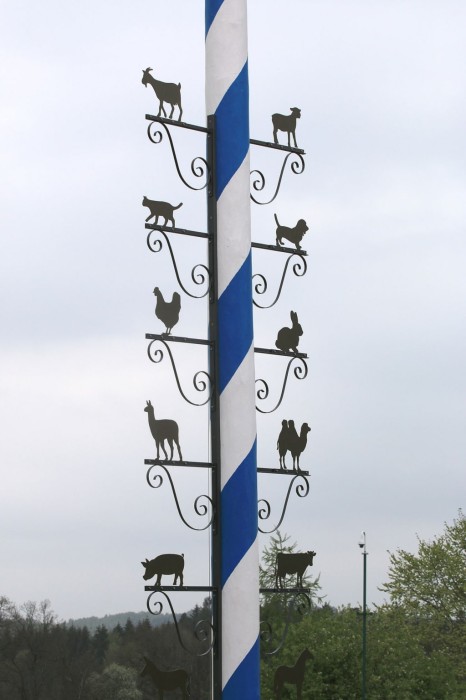
Placing the maypole is one of the most popular traditions in Bavaria and its origins go back to the 16th century. So in our anniversary year, we have also decided to erect a decorated maypole again at Gut Aiderbichl Iffeldorf as part of a maypole festival. Traditionally, the trunk of the maypole is blue and white and decorated with pictures. Hansi Süß and his team have painstakingly painted the maypole themselves in the traditional colours. In Bavaria, it is customary for the trees to be decorated with the motifs as guild trees. As the animals are the bosses at Gut Aiderbichl, we decided to decorate the maypole with various animal motifs. This is how the animals’ maypole came to be, which was put up as part of our maypole festival on 1 May at Gut Aiderbichl Iffeldorf, the Gertraud-Gruber-Osterseehof.
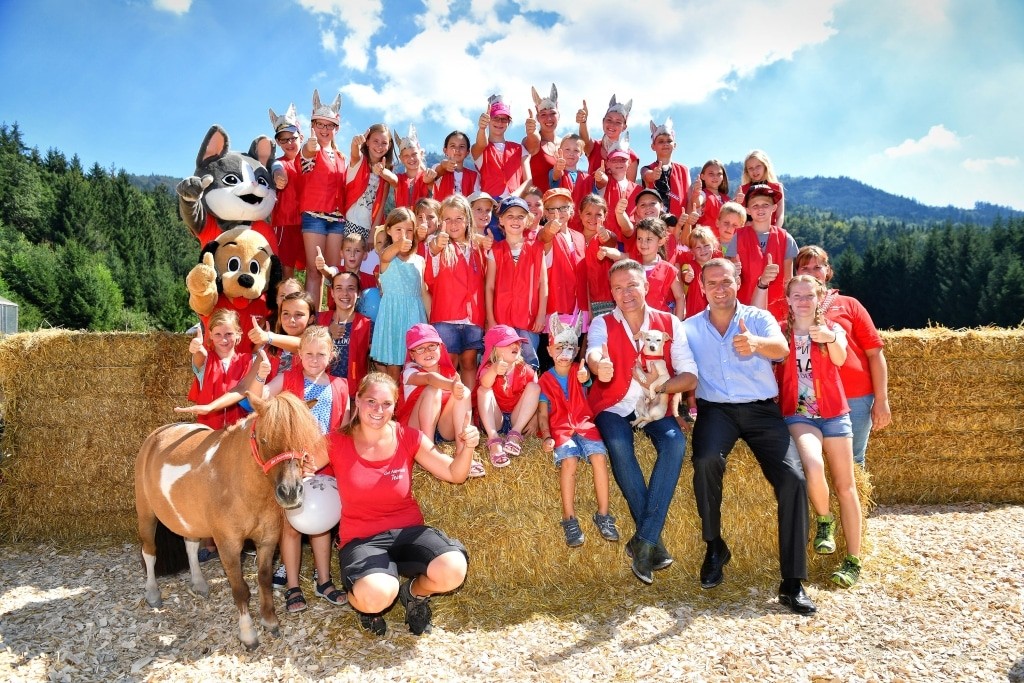
Junior team summer party
We had come up with something very special for our young Aiderbichlers and animal friends in our anniversary year. On 27 August 2016, the first Junior Team Summer Party took place at Gut Aiderbichl Henndorf. Many hundreds of children visited us on this day and spent an unforgettable day surrounded by our rescued animals with lots of exciting and varied programme items.
Wild boar enclosure
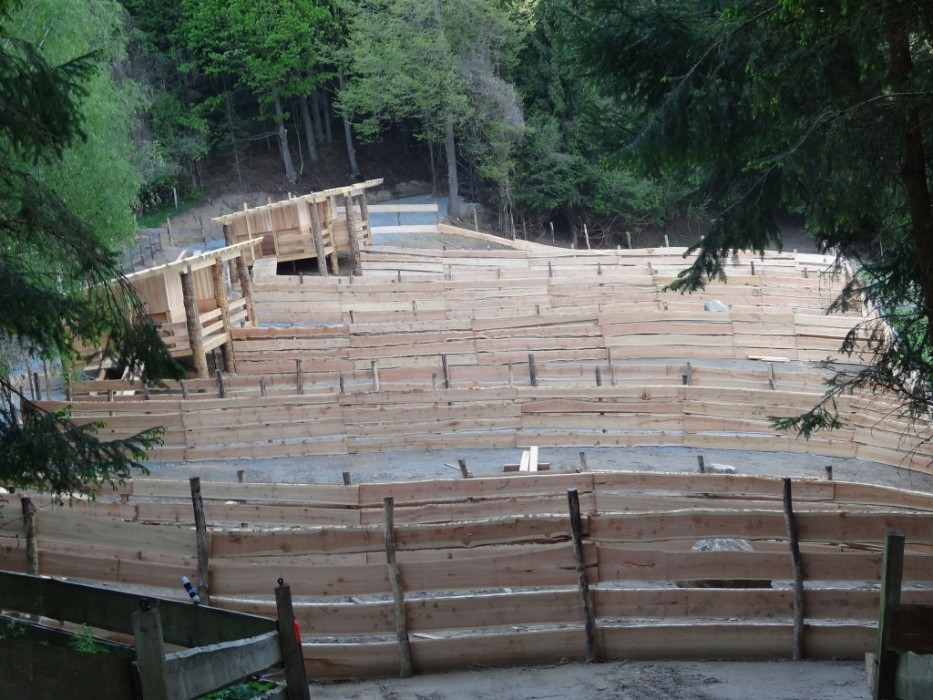
Animal welfare and species-appropriate husbandry are our top priority. In 2016, we were able to build new enclosures for our rescued wild boars at Gut Aiderbichl Carinthia. They can now dig, wallow or simply enjoy a bath in the sun to their heart’s content.
10 years of Deggendorf
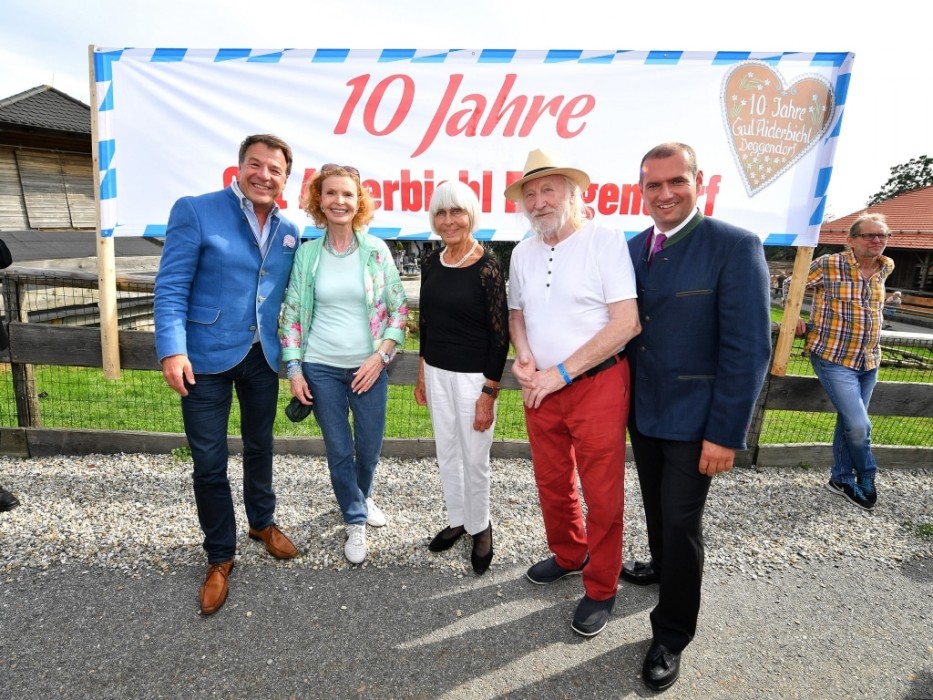
We were also able to celebrate an anniversary at Gut Aiderbichl Deggendorf. The Lower Bavarian estate, an integral part of the Aiderbichl sanctuary network, celebrated its 10th anniversary. On 1 October 2016, in glorious sunshine, we spent some wonderful hours surrounded by the Aiderbichl community.
Christmas sending/Christmas market
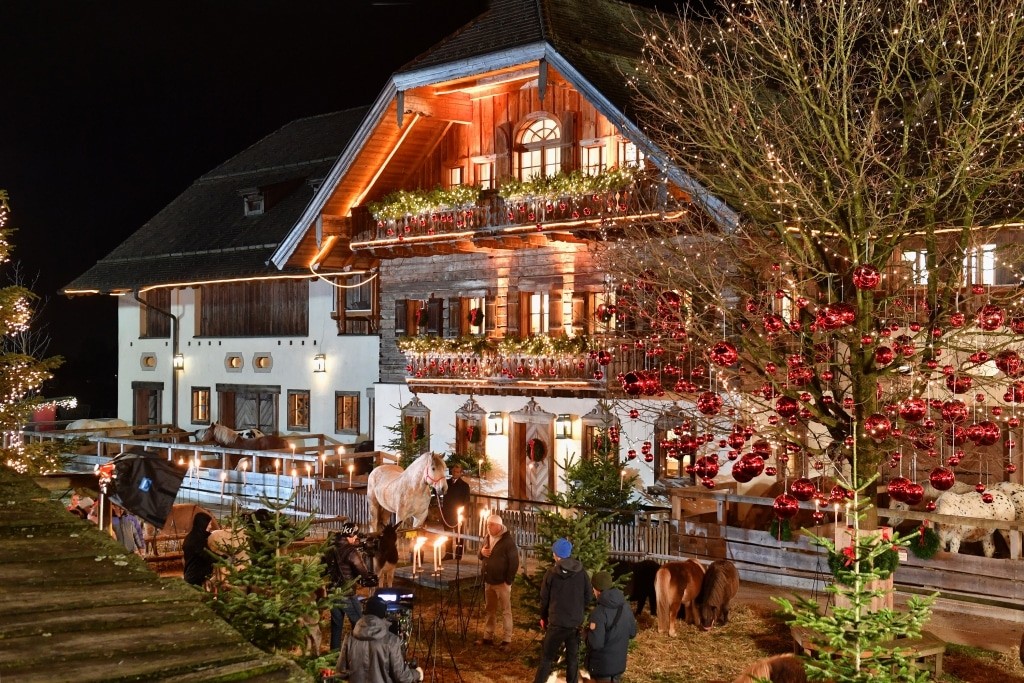
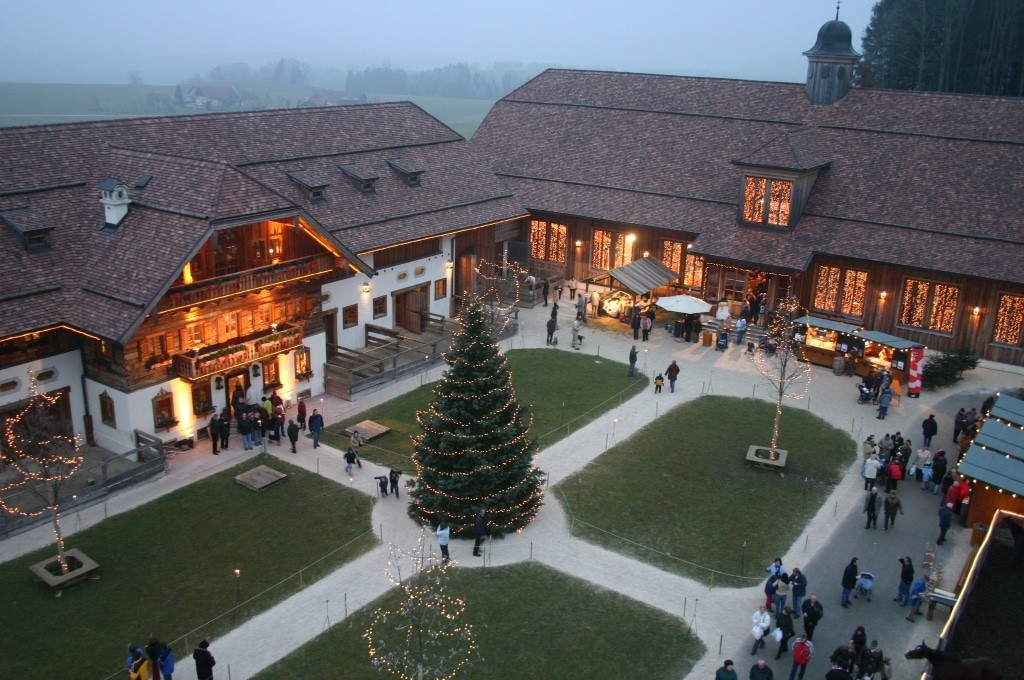
We traditionally ended our anniversary year with the big Christmas market at Gut Aiderbichl Henndorf, which once again formed the backdrop for the popular programme “Christmas at Gut Aiderbichl” in 2016. The highlight of the Christmas market was the large, walk-in live animal nativity scene, which not only featured traditional animals such as oxen and donkeys, but also sheep, goats, chickens and llamas.
Facts and figures:
We needed around €16 million to cover our running costs in 2016.
This includes € 450,000 in veterinary costs alone. On top of that, we have to build up reserves and make investments. We fed around 2,480 tonnes of hay to horses, cows, donkeys, goats and other animals every year. We travelled around 735,000 kilometres for the cause, i.e. more than 18 times around the equator. Gut Aiderbichl has 160 full-time employees, 90 farm helpers and 30 volunteers for the animals and visitors.
In 2016, we ordered 9 tonnes of carrots, 8 tonnes of bowlsl, 19 tonnes of bananas, 397,200 bags of cat food, 69,500 cans of dog food. In addition, there is home-cooked food with rice, pasta, yoghurt, curd cheese, etc. We needed 42,550 litres of cat litter.
The illness of our founder Michael Aufhauser
Since 28 May 2015, nothing in Michael Aufhauser’s life has been the same. He suffered a life-threatening aneurysm, but was thankfully saved by a quick operation. His recovery is progressing slowly, but there are always setbacks, which he accepts just as bravely as the illness itself.
Michael Aufhauser has made provisions for the eventuality that he will not be able to actively participate in Gut Aiderbichl. He has built up a team in which he has great confidence and of which he is certain, after careful scrutiny and selection, that it can lead his life’s work into the future in a sustainable and professional manner. Gut Aiderbichl Managing Director Dieter Ehrengruber has been at Michael Aufhauser’s side since 2003 and has now taken over his responsibilities, supported by a well-established team of long-standing employees.
Rescue of 4 ponies from the circus
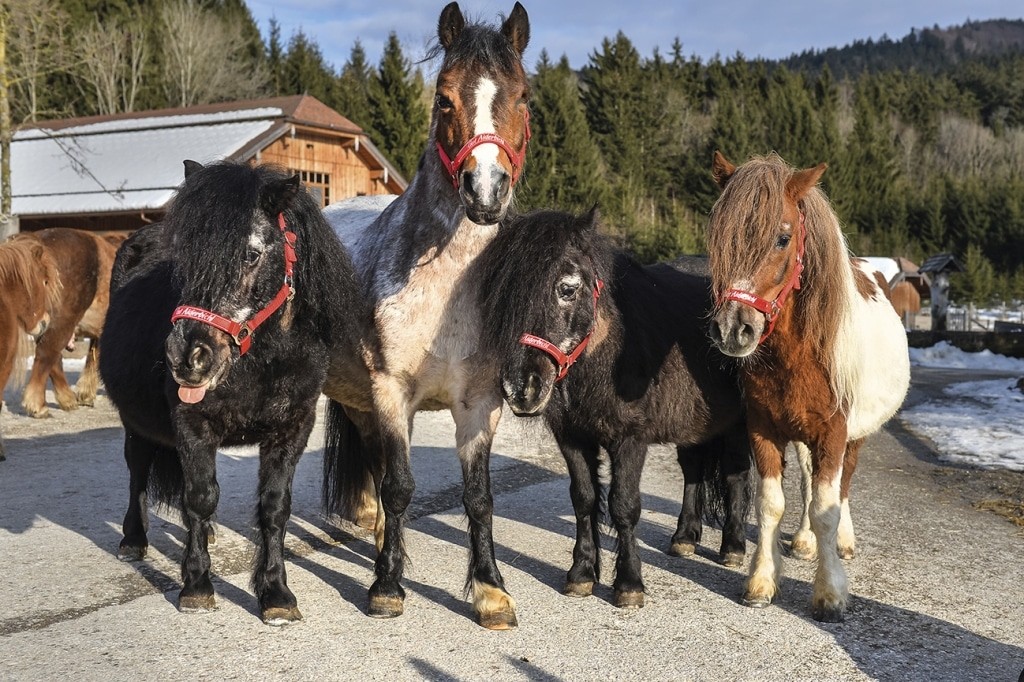
The final curtain had fallen for the quartet of ponies from the circus. After a life of hardship, they were now destined for the slaughterhouse. We were able to buy them for a price per kilo and were stunned at the sight of Sultan, Nelke, Laurel and Manolo. Depressed, intimidated and obviously in pain, the four stood before us. We immediately took them to the equine clinic, where Laurel and Nelke each had to have an eye removed. What we didn’t realise at the time: Laurel was already pregnant and gave birth to little La Vivi at our clinic on 22 March 2015.
Expansion: Gut Aiderbichl Gänserndorf
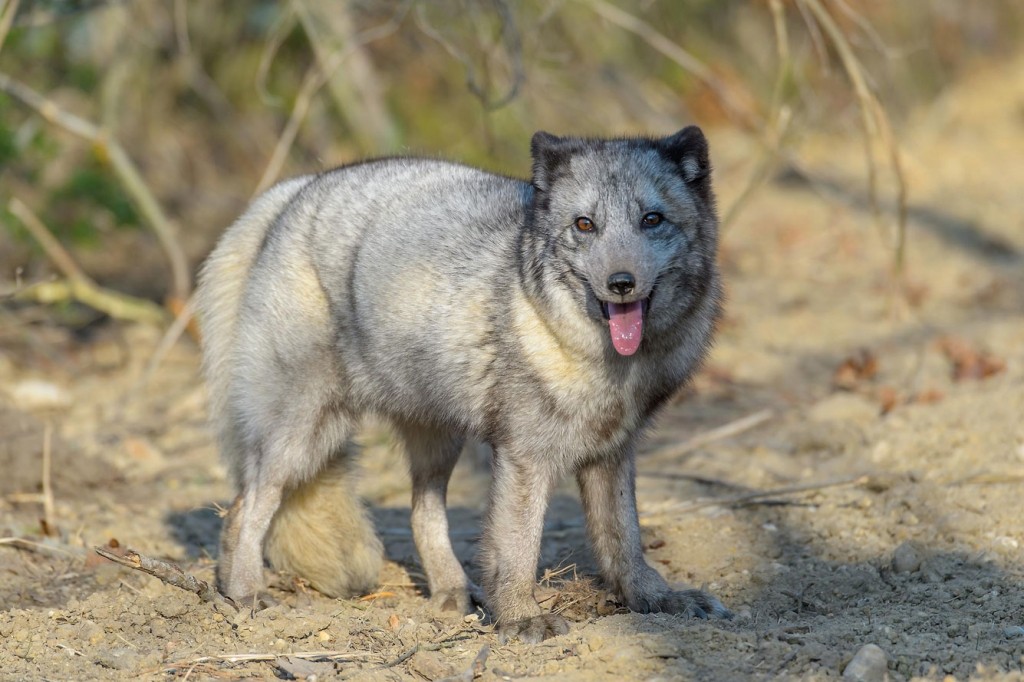
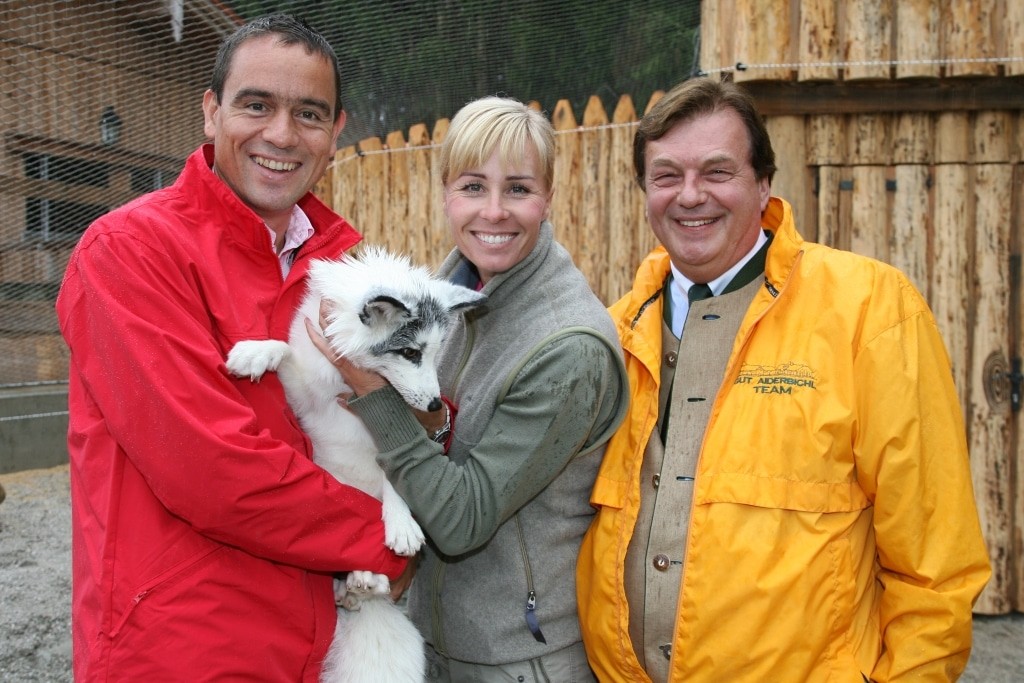
On 25 April, two new facilities were opened on the eleven-hectare site, which is also home to the Gut Aiderbichl monkey sanctuary: a spacious enclosure for rescued foxes and the large parrot house with attached outdoor aviaries and space for 60 rescued parrots. On the same day, three Arctic and three silver foxes also moved into the new fox enclosure. We were able to rescue them from a European fur farm shortly beforehand. One of the vixens, Melissa II, was heavily pregnant when she was rescued and eventually gave birth to three healthy fox cubs.
The new senior barn
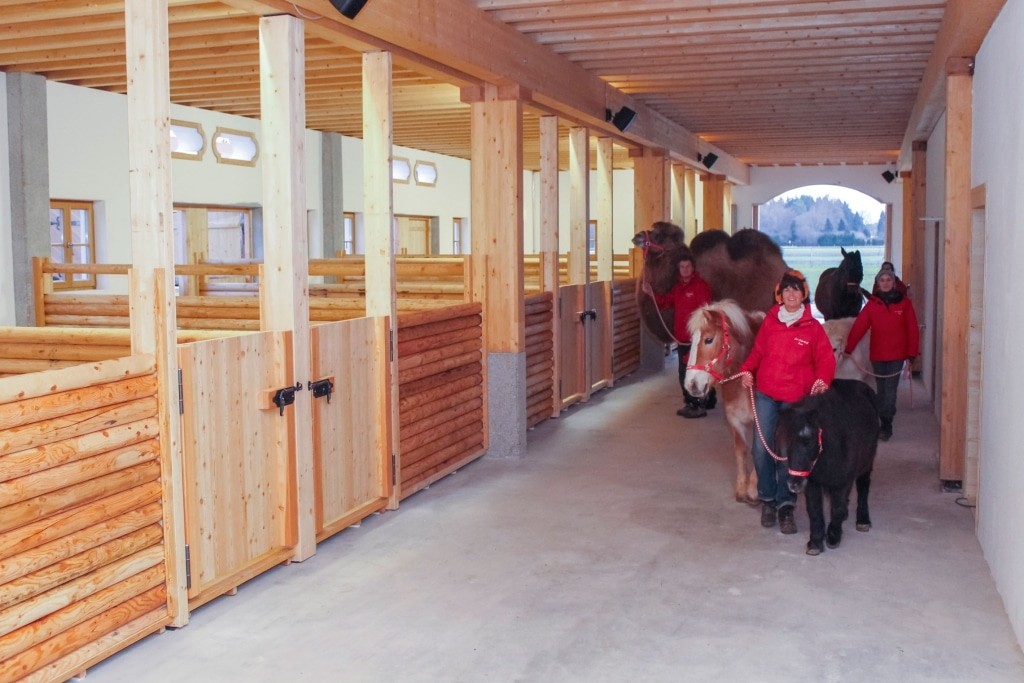
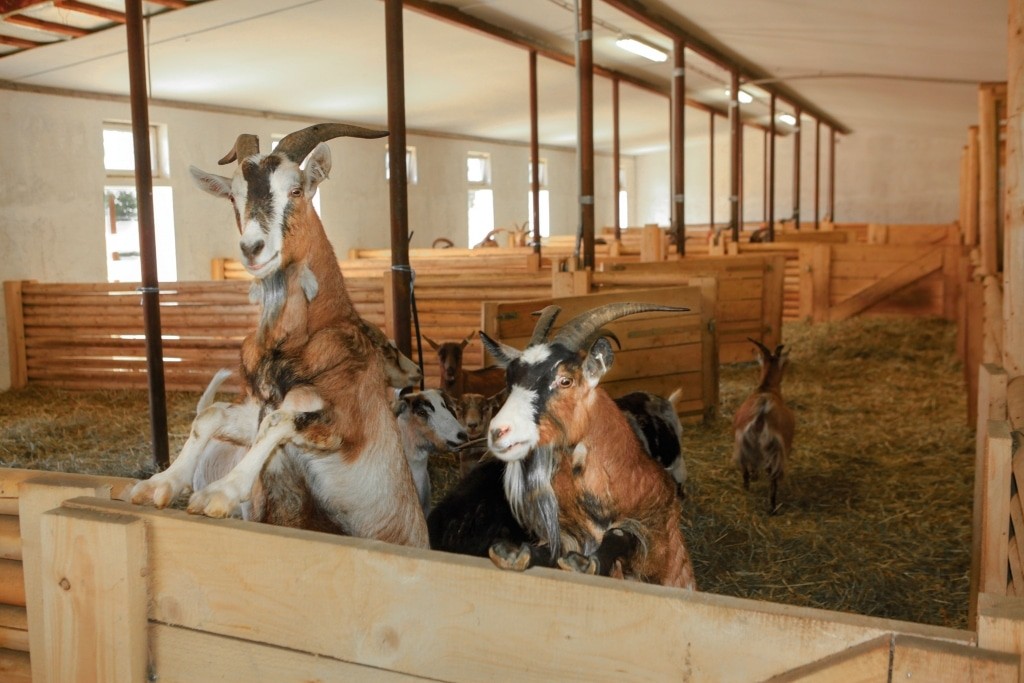
On 13 November, Michael Aufhauser’s heartfelt project, the new senior citizens’ stable, was officially opened. The stable is located in the immediate vicinity of our main farm in Henndorf and is specially designed to meet the needs of older animals. Our rescued animals grow older together with us and over the years we have become experts in keeping older animals. The senior stable is barrier-free and there is a lifting device above each box, which we can use to intervene quickly and easily if one of our horses has become stuck. There is a separate area in the stable for horses that are allergic to hay dust and suffer from lung diseases. Their boxes are littered with sawdust and their hay is dedusted.
We want to make things easier for our animals that become more difficult in old age and thus increase their zest for life. Because old age is not an illness, but a special phase of life.
Our commitment to endangered animal breeds
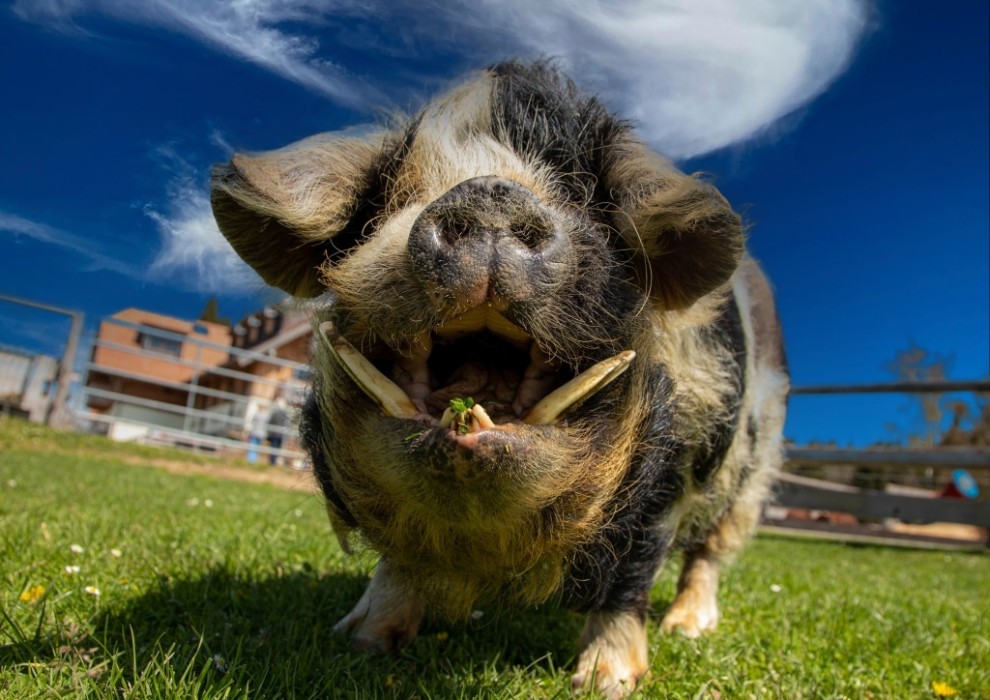
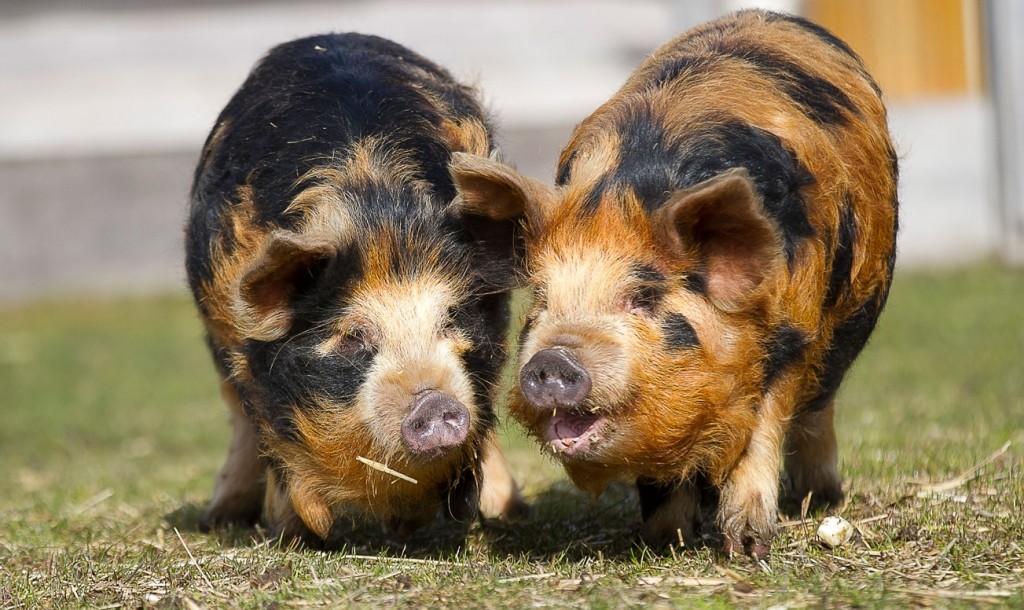
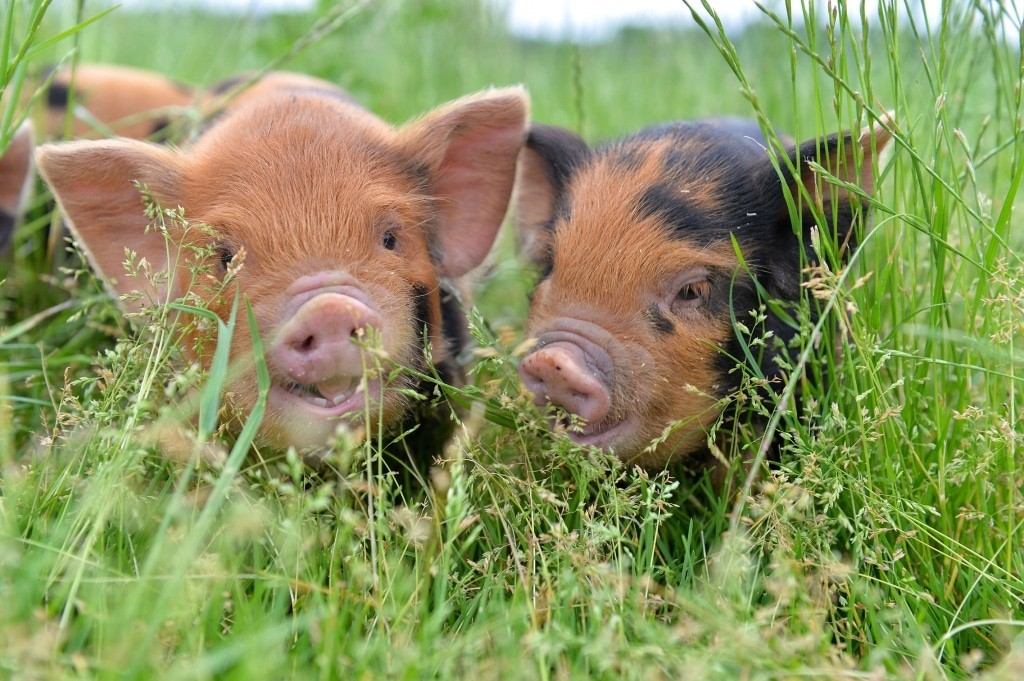
In summer, five Kune Kune pigs moved into Gut Aiderbichl Henndorf. This breed, whose name translates as “fat and round”, actually originates from New Zealand, where the pigs were kept as pets by the Maoris. However, at the end of the 1970s, the Kune Kune were in acute danger of extinction – there were only 9 left in the world. With the inclusion of Harry, Potter, Diego, Roy and Casanova, we want to set an example and report on this endangered breed.
Saving an entire herd of aurochs
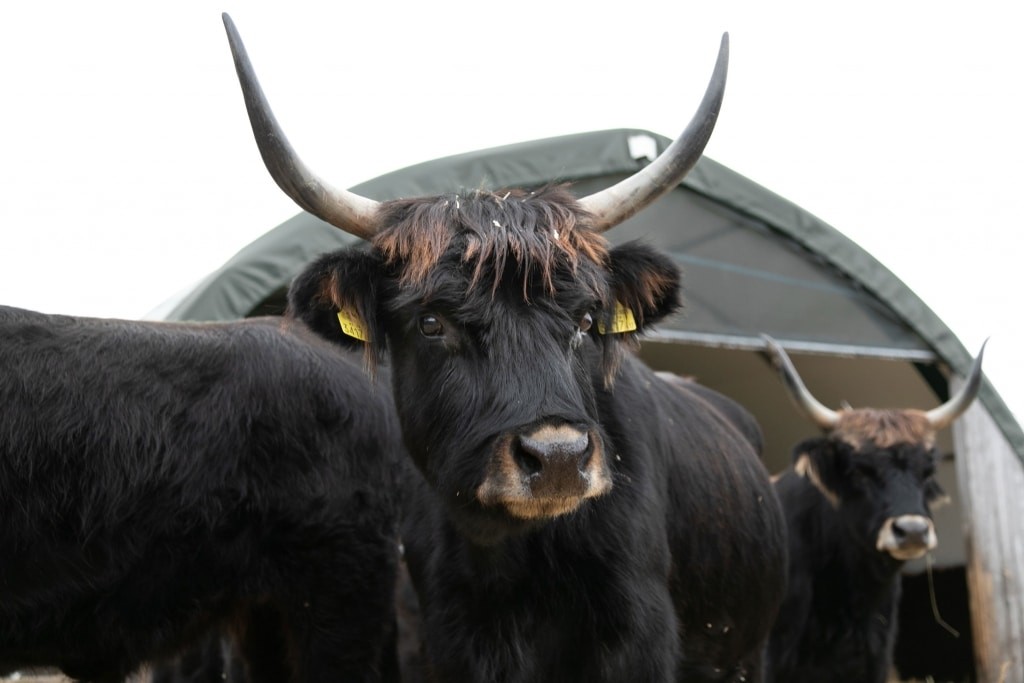
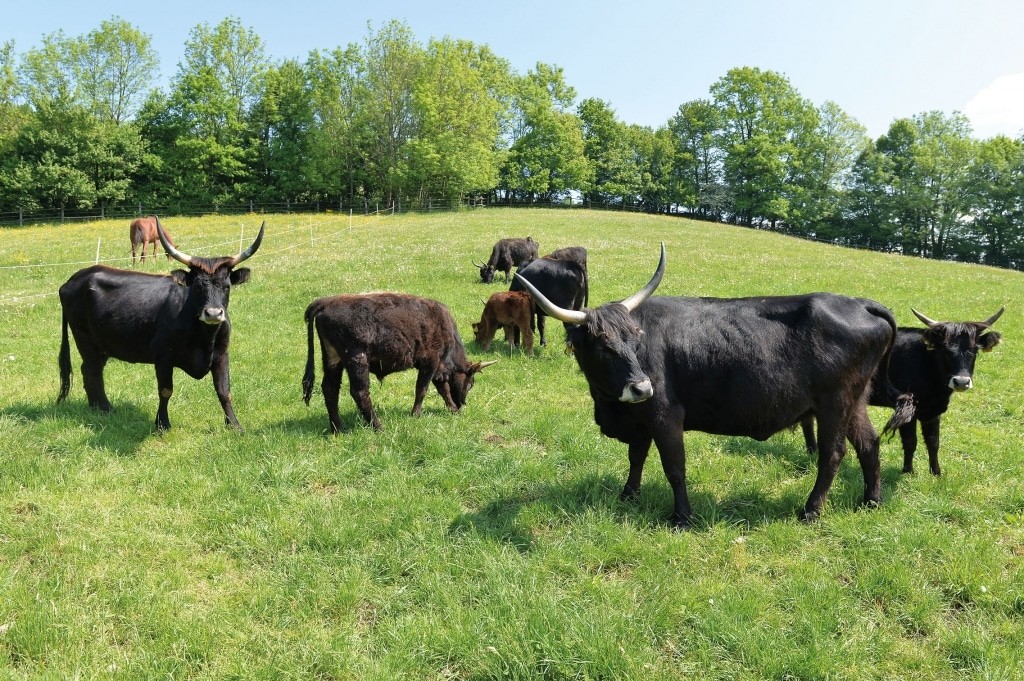
In March, we received an unusual emergency call. The deputy mayor of a municipality called us and told us about an entire herd of aurochs that had already been sold to a butcher. The animals included heavily pregnant cows and young calves. The local farmers were very upset and wanted to prevent the death of the aurochs. We were able to help and put the 17 shy primeval cattle under our protection. Just a few days after they were rescued, the first aurochs calf was born on our farm.
The new large dog run
The care of dogs is only as good as the care, food, exercise, medical care and the number and length of walks. At Gut Aiderbichl, the dogs’ environment is completely tailored to them – they should be able to let off steam for hours every day. On 22 August, we were able to open another large 5,000 m2 dog run with a pond for hot days at Gut Aiderbichl Henndorf. Long-time Aiderbichl residents and sponsors Heidi and Joachim Michels generously supported us in realising this project.
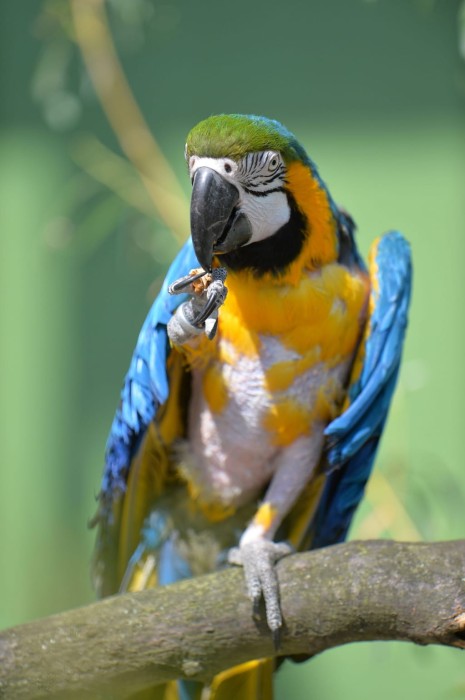
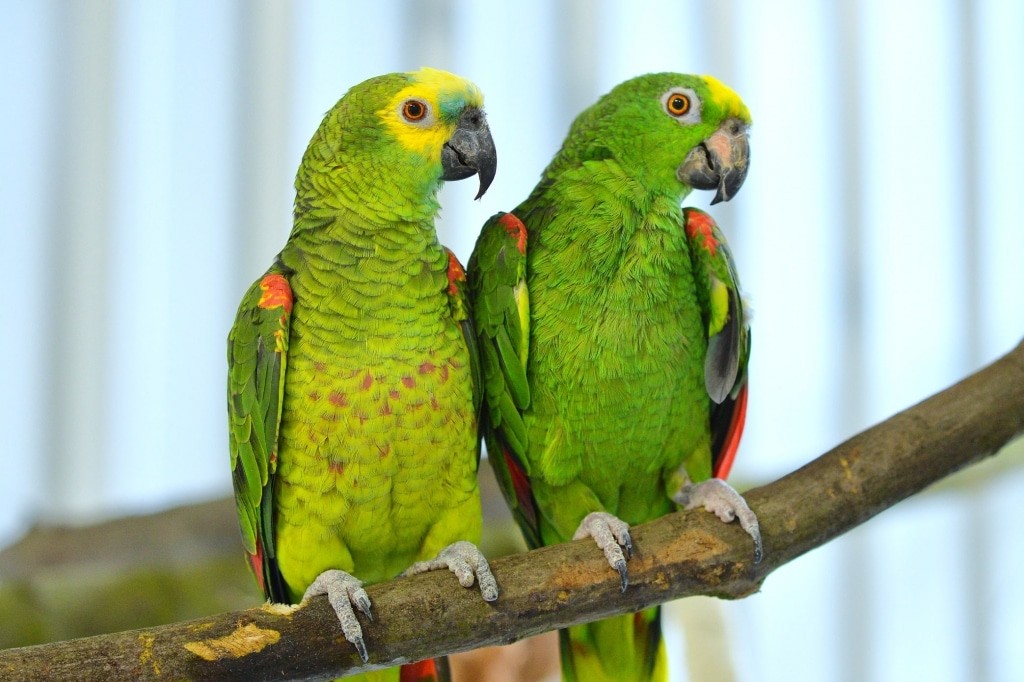
Where else can you find 6000 rescued animals, including 34 different species? But instead of stagnating, we are increasing the number of animals in need every year. Our aim is to preserve what has been created and create something new.
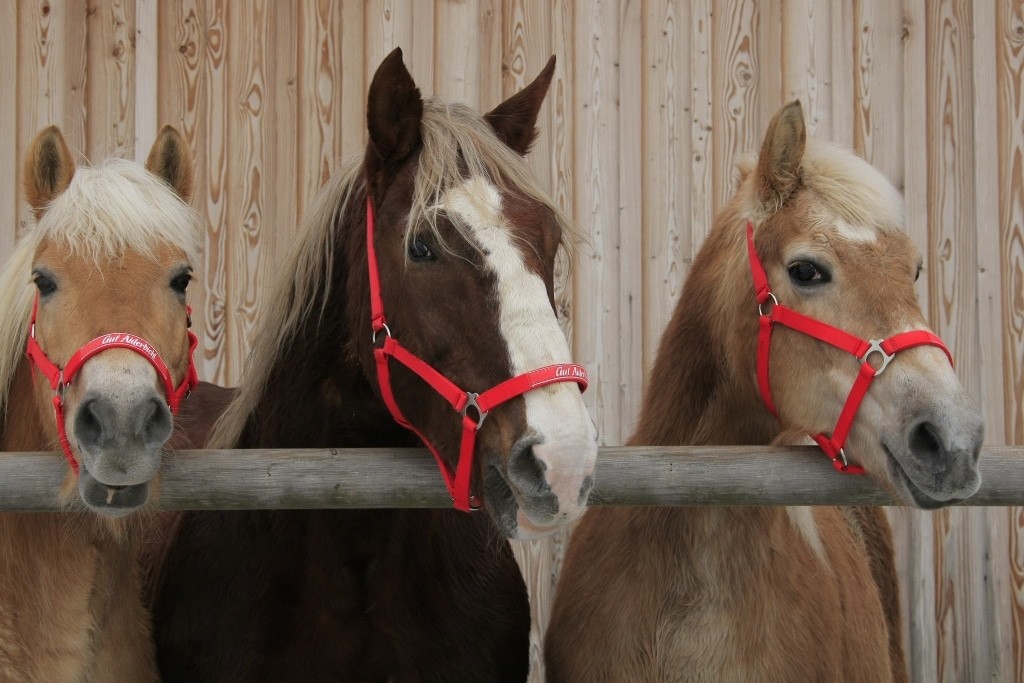
More than 700 horses, ponies, donkeys and mini-horses
Our help for these animals requires careful observation of the equine scene. We have had to learn some bitter lessons. For example, that young horses with the best pedigree have to die so that the high price for others with a similar pedigree and better performance at competitions remains at the top. Or that there are new eastern routes for “slaughter horses” all the way to Russia, which means endless transport suffering.
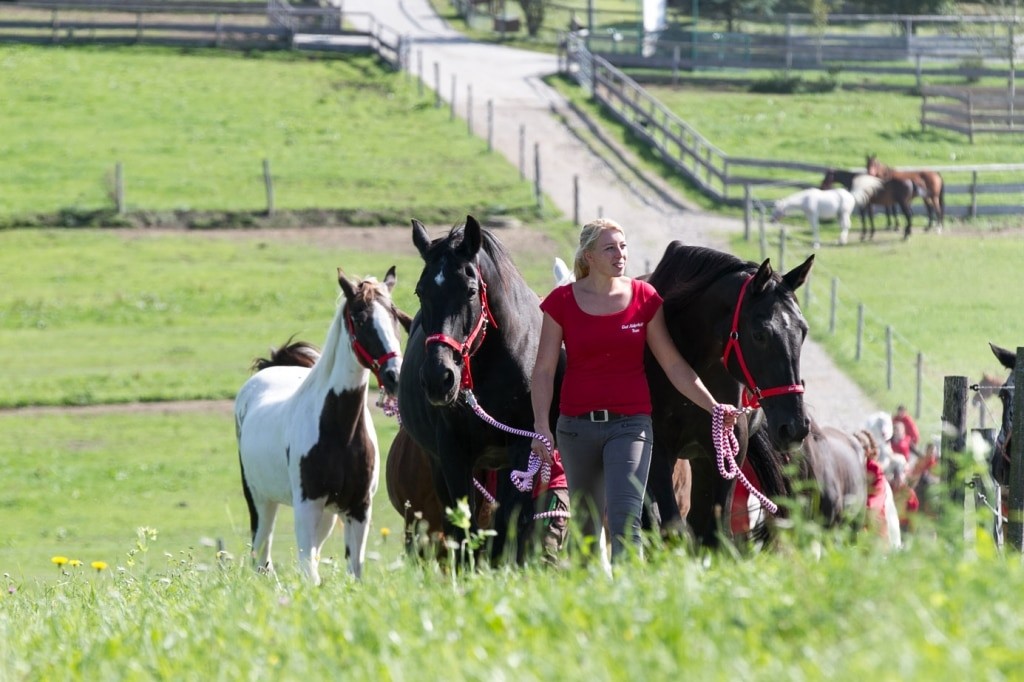
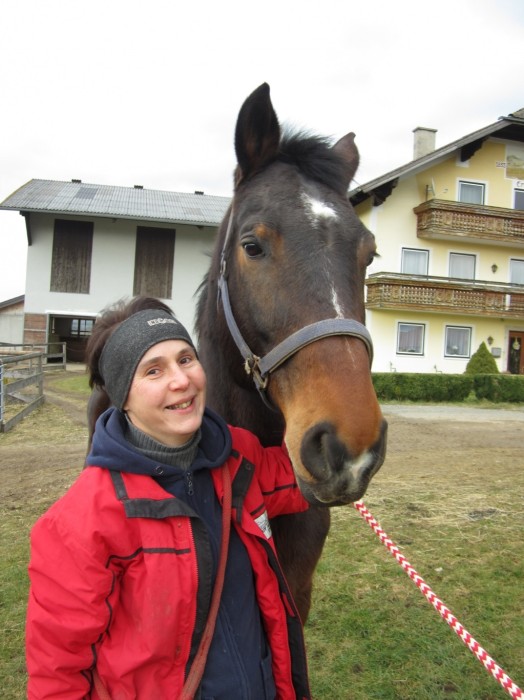
Gut Aiderbichl keeps more than 700 rescued horses on 25 estates. Some of them are in need of care or chronically ill. They are cared for by our 300 animal keepers and horse managers, who are professionally up to date – 24 hours a day.
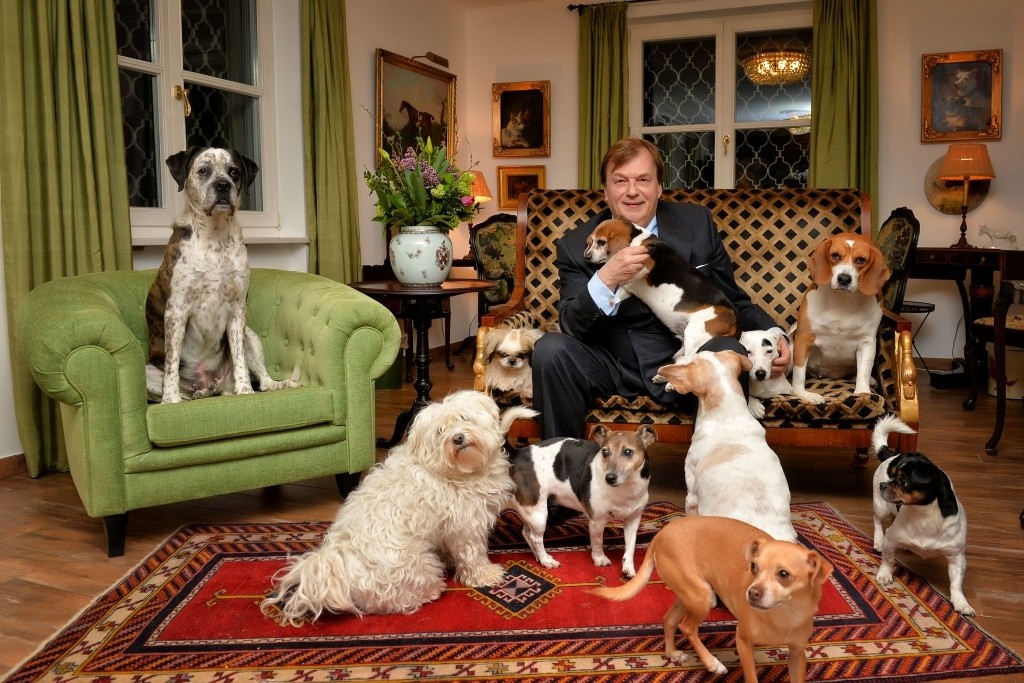
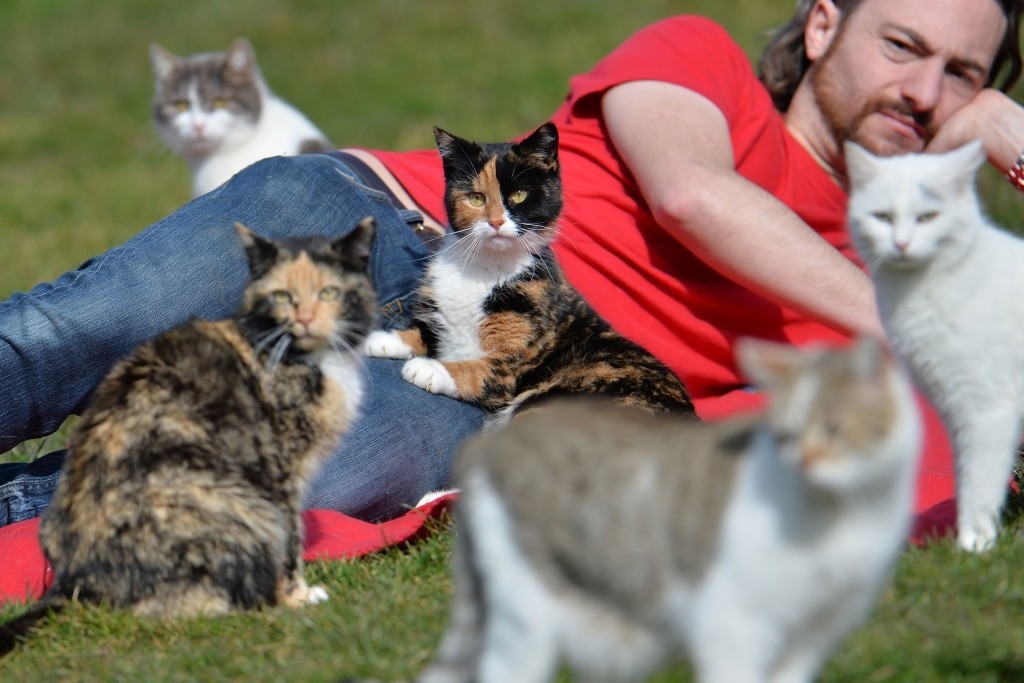
More than 800 dogs and cats
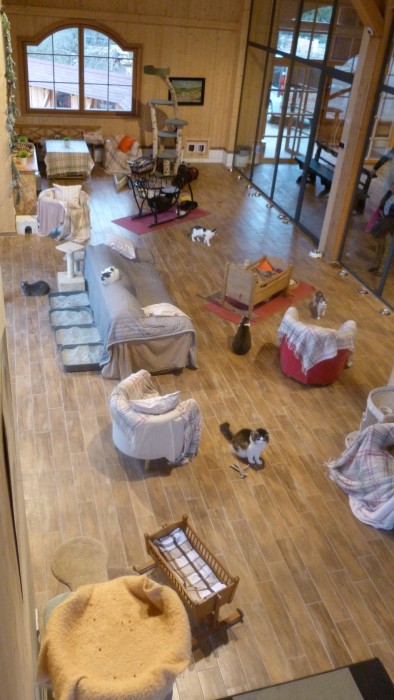
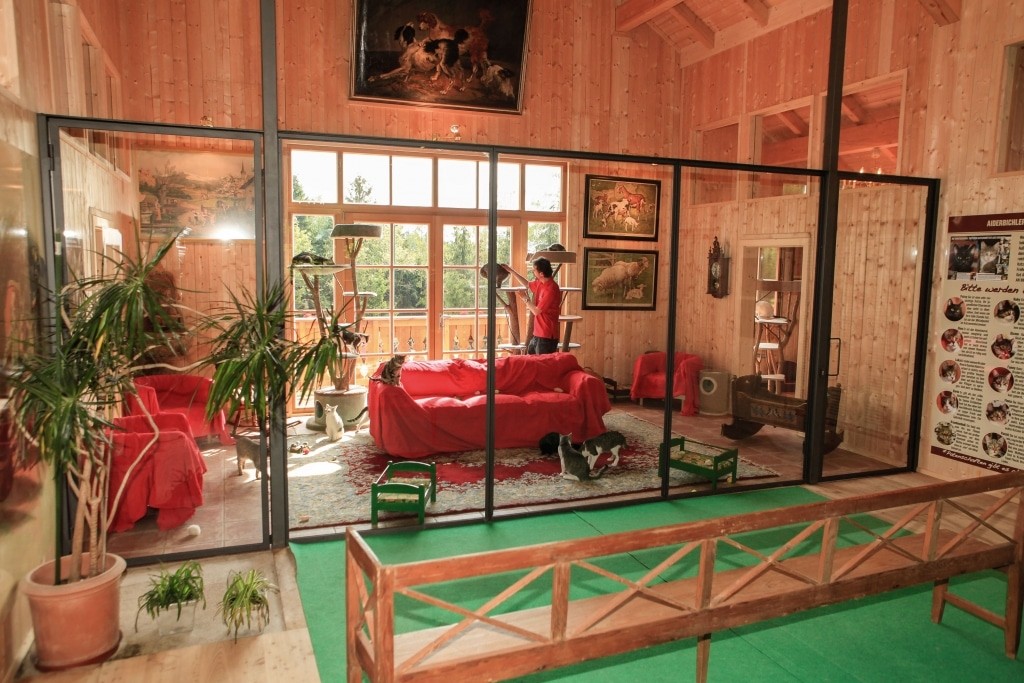
Gut Aiderbichl is a network of large sanctuaries. They are either owned by us or leased on a long-term basis. The requirements for the keeping of all animals on these farms are prescribed in detail and are scrupulously adhered to by the animal keepers. This also applies to the dogs and cats and for the rare cases of lifelong special care places. Cats in need of care live at Katzenstift Traisen, while the more freedom-loving cats live at Gut Aiderbichl France. In Deggendorf, Henndorf, Iffeldorf and Maria Schmolln, we provide the cats with well-designed and species-appropriate indoor and outdoor facilities.
More than 1,000 cattle, goats, sheep and pigs
Fled from the slaughterhouse or used in experimental laboratories, neglected in husbandry or by overburdened rescuers: animals of these breeds often find themselves in need and often learn about livable husbandry for the first time. Their presence on our estates has turned us into experts. We study their nature, their behaviour, their often underestimated intelligence and their needs. Our knowledge of these animals often differs fundamentally from the practices and level of knowledge in “farm animal husbandry”.
When it comes to rescuing cattle, Gut Aiderbichl is probably the largest institution in the world that can act competently and in accordance with animal welfare. Accordingly, there have been numerous new arrivals again this year, for which we have once again created extensive capacities.
Small animals and our domestic feathered friends
Thousands of them flutter, waddle, hop and strut around our estates. They are rabbits, guinea pigs, swans, geese, pigeons, ducks, ferrets, cockerels, peacocks and chickens – all rather small, but big! Because they also cause costs. Many of these animals come in sick or in need of care, and of course an injured pigeon is just as important to us as a swan with a broken wing. We make no distinction between the animal species and provide them all with the best care, day and night and at all times.
The many exotic and wild animals
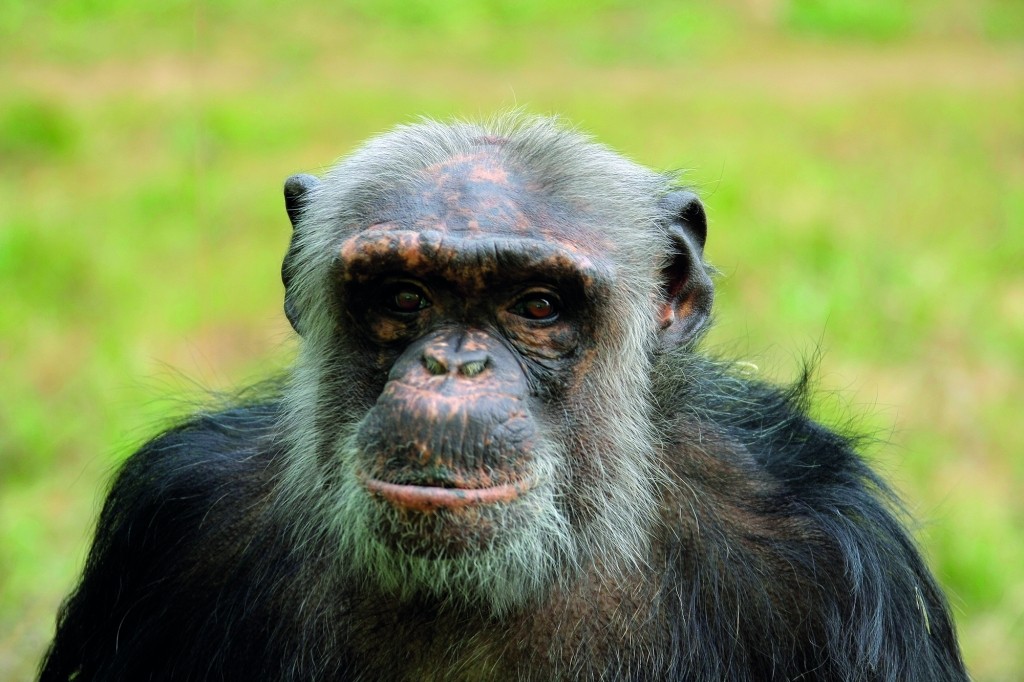
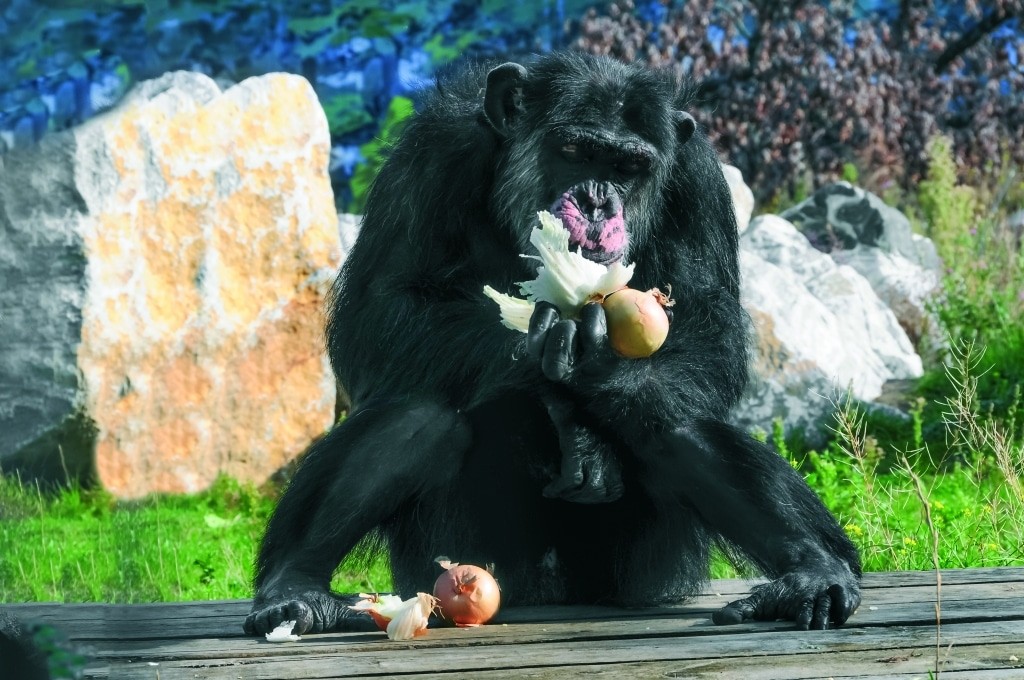
Gut Aiderbichl has one of the world’s largest sanctuaries for ex-lab chimpanzees and great apes.
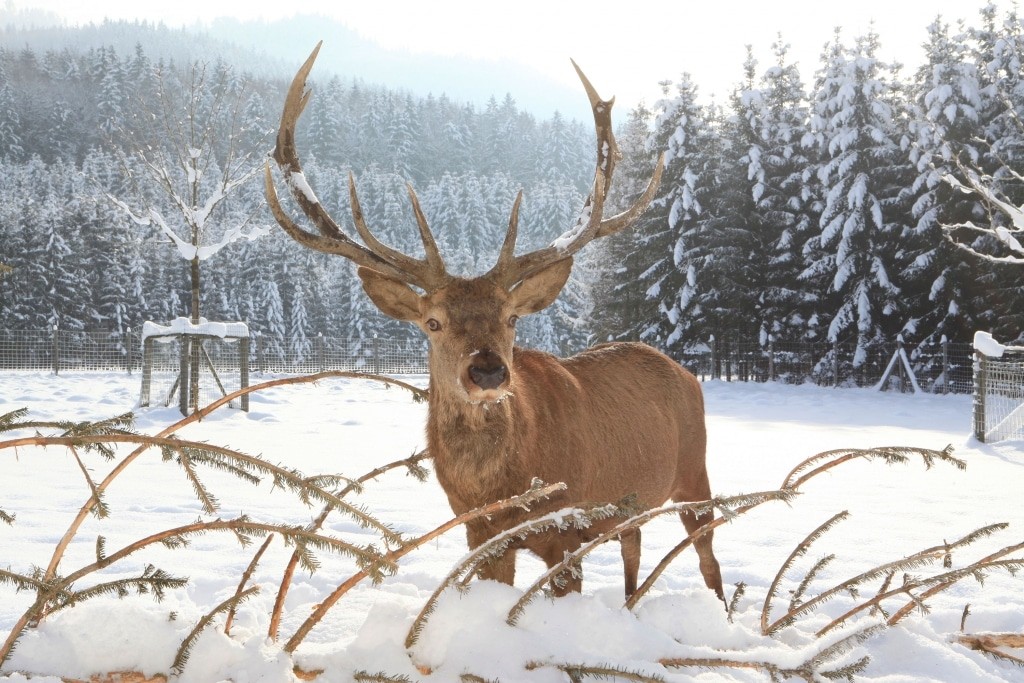
Fully aware of how expensive it is to keep great apes, we decided in 2009 to place 40 ex-lab chimpanzees under our protection. No one else would have taken them on as a whole group and this was the only way to keep them together. But native wild animals, such as deer and deer in distress, have also found a permanent and protected home with us. They live on our estate in Henndorf and in a large game enclosure at Gut Aiderbichl Carinthia. In addition to the foxes, there are also: Hilde the lady marten, Juppi the honey bear, Paul and Emilia the raccoons, our impressive herd of wild boar and Franziska the camel – as well as a large herd of llamas and alpacas and 100 abandoned parrots.
parrots. They all have a lifelong right to stay in the best and most species-appropriate conditions.
Our Gut Aiderbichl GmbH’s
They generate all their own operating costs on our estates. With admissions, shop and catering. Any profits remain and are not withdrawn.
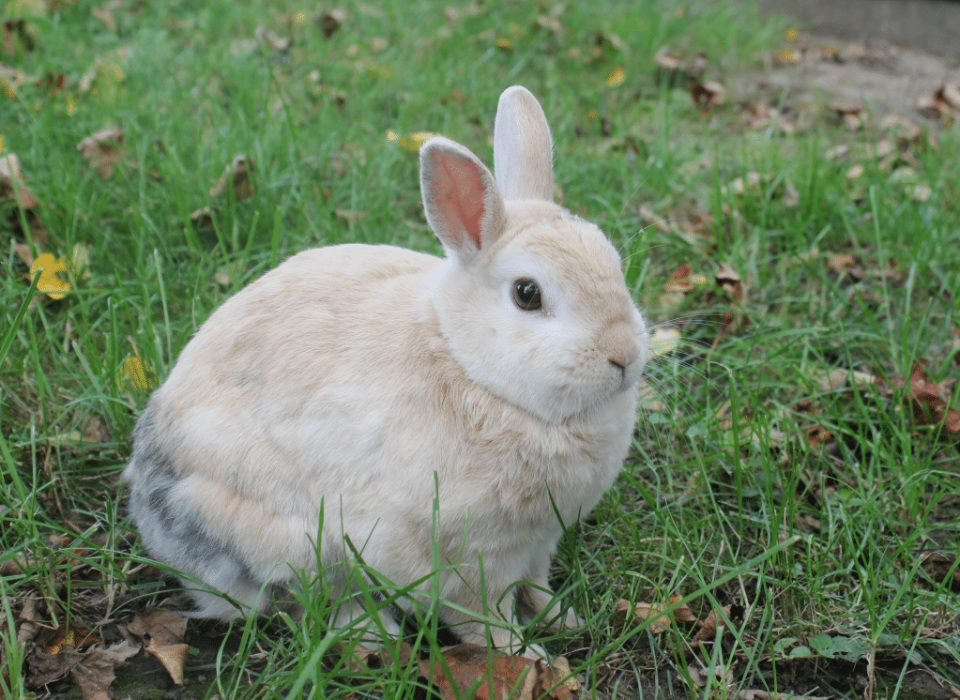
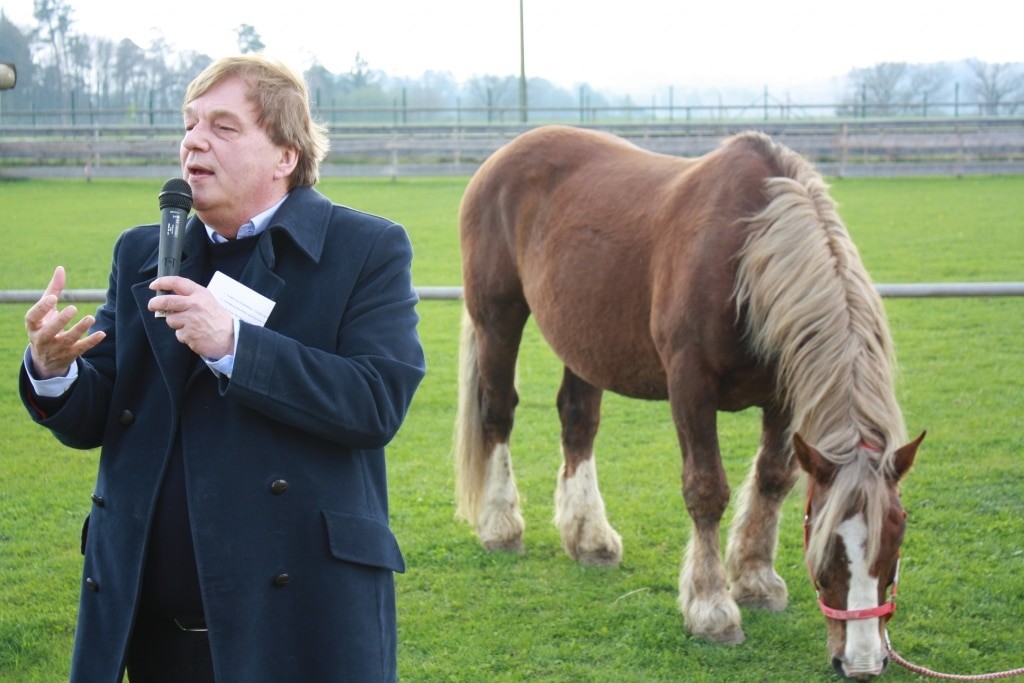
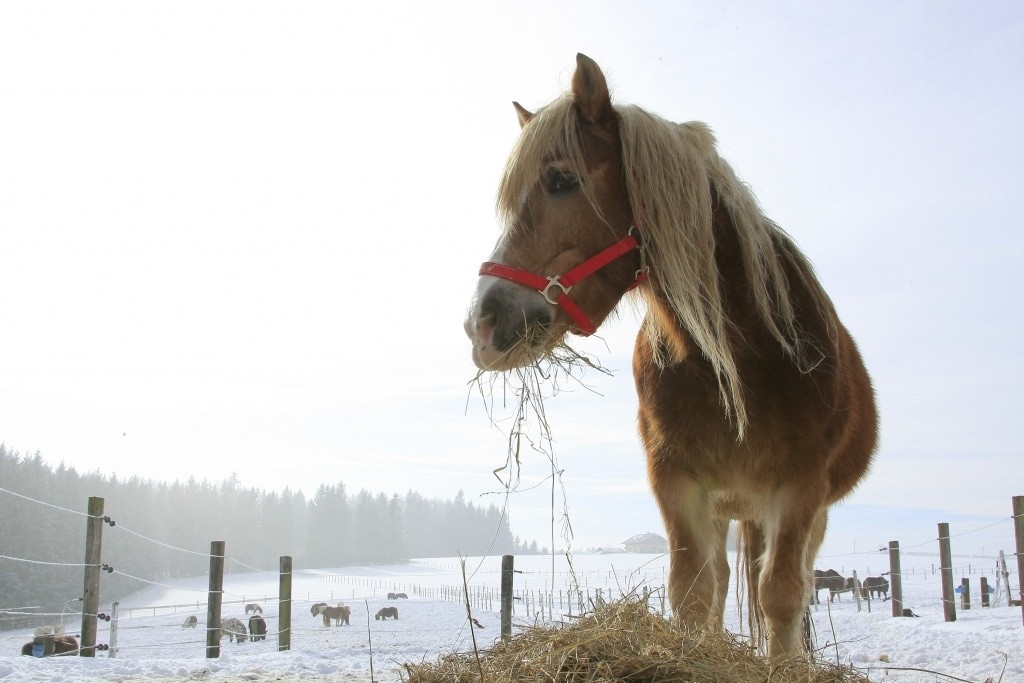
40,000 Aiderbichler, 24 animal homes...
In April, Gut Aiderbichl Iffeldorf, the Gertraud Gruber Osterseehof, opens its doors. Gut Aiderbichl helps animal owners and animals in need during the flood of the century. The flood increases our animal population once again. Gut Aiderbichl Eslarn joins the network of our sanctuaries.
Opening of our species-appropriate and animal-friendly cat and dog facilities in Iffeldorf and at Gut Aiderbichl Katzen Stift Traisen. Wüstenrot Austria presents its “four-legged friend provision” in cooperation with Gut Aiderbichl.
Rescue of “strays in need” in Greece
Creation of a large raccoon enclosure at Gut Aiderbichl Henndorf.
Mouro Bergonzoli hands over paintings to Aiderbichl and the Christmas programme is given a new title “Advent at Gut Aiderbichl” with a new slot exclusively on ORF 2, on 7 December in the main programme at 8:15 pm.
We would also like to thank our employees, who now number more than 250. Without their help, none of this would be possible to maintain and operate. We are all delighted that it is now possible to operate these properties economically and independently. The maintenance of our foundation’s assets is made possible exclusively by donations, gifts and bequests.
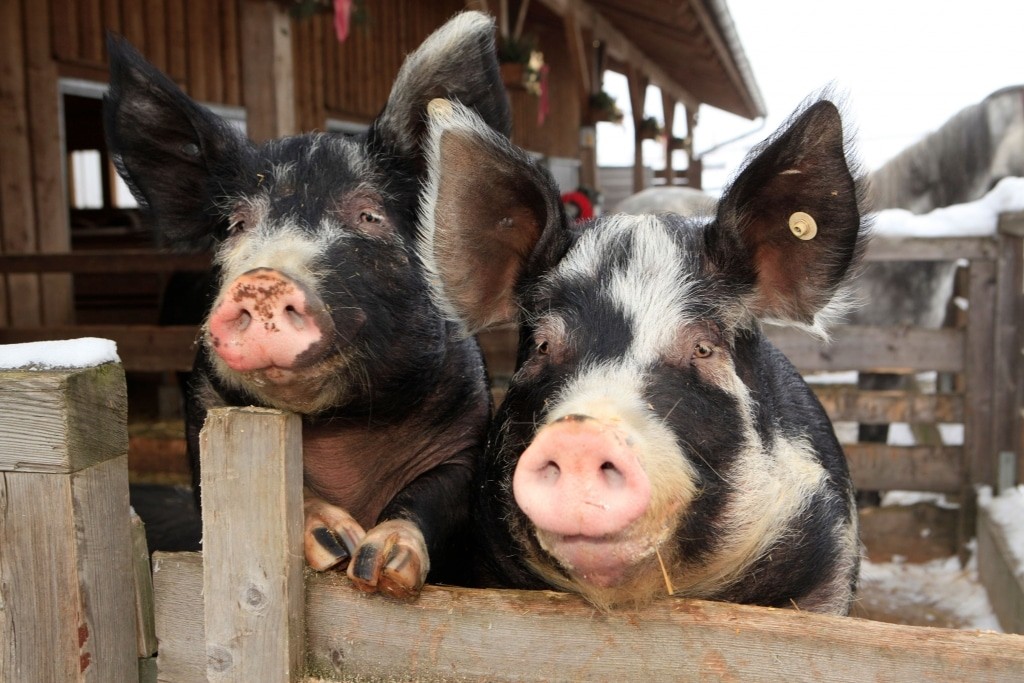
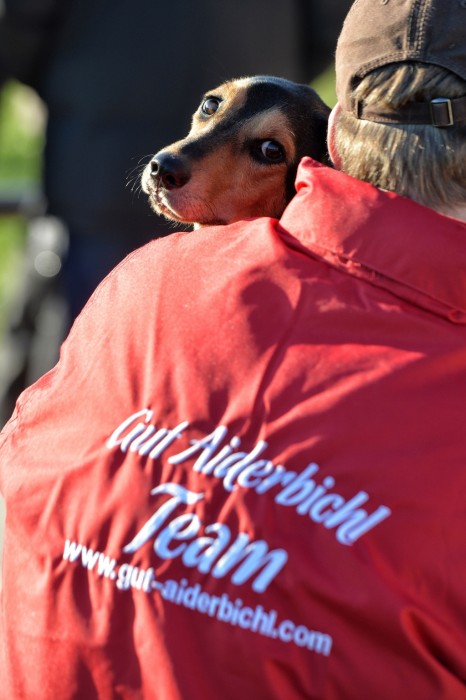
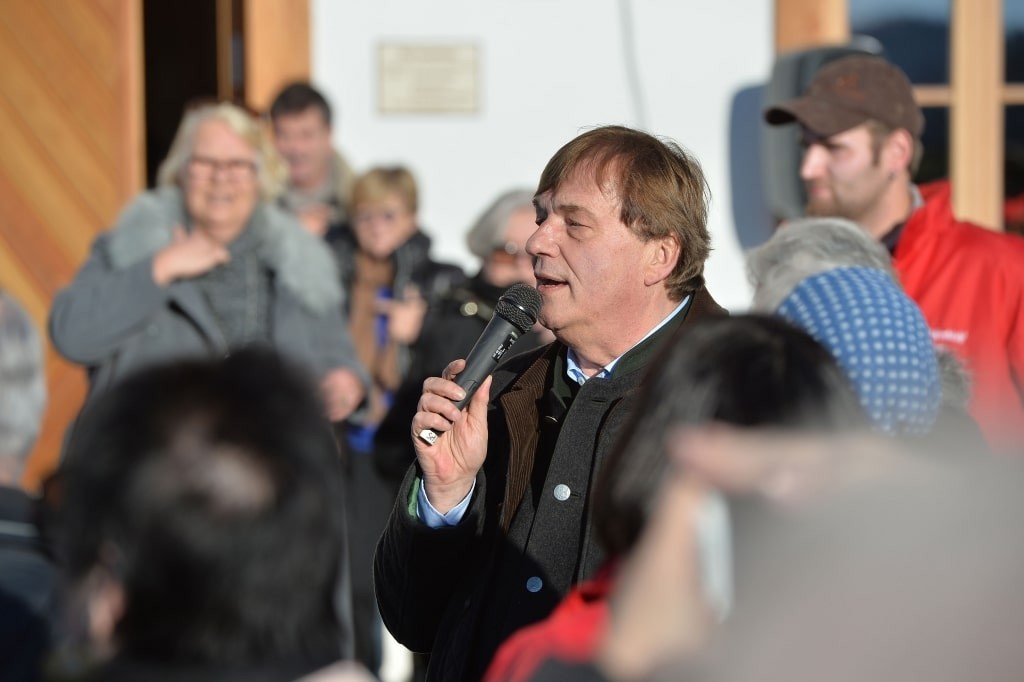
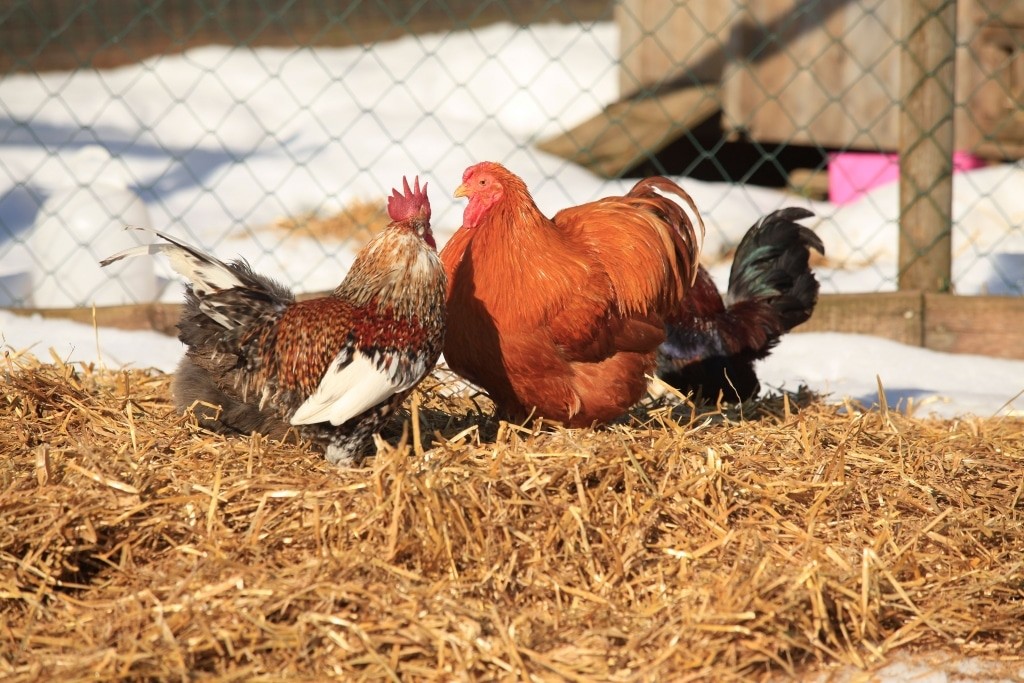
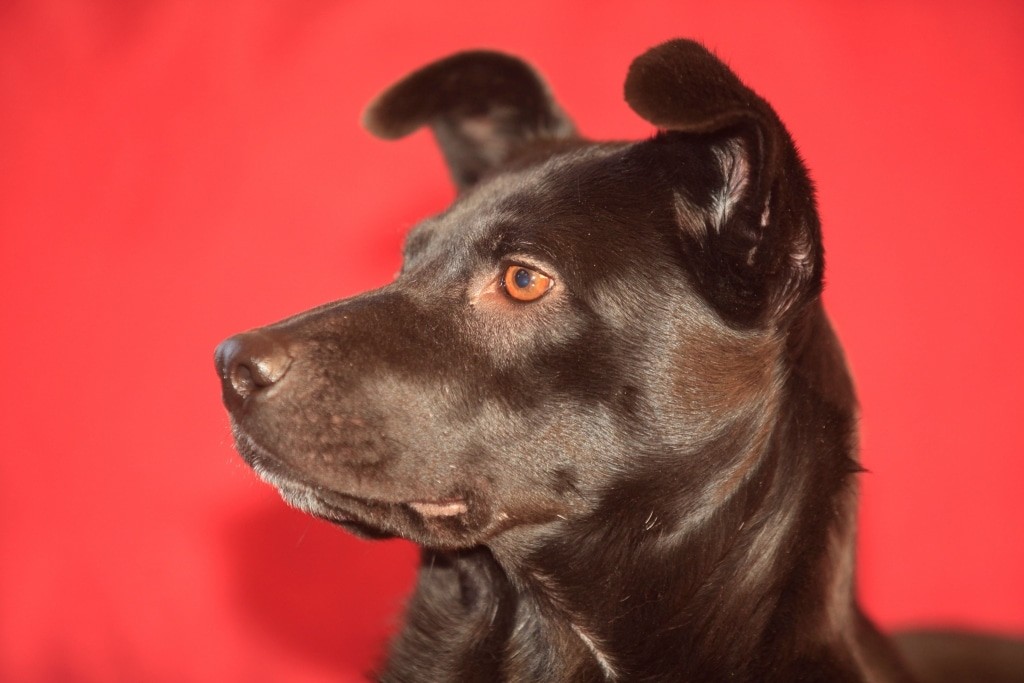
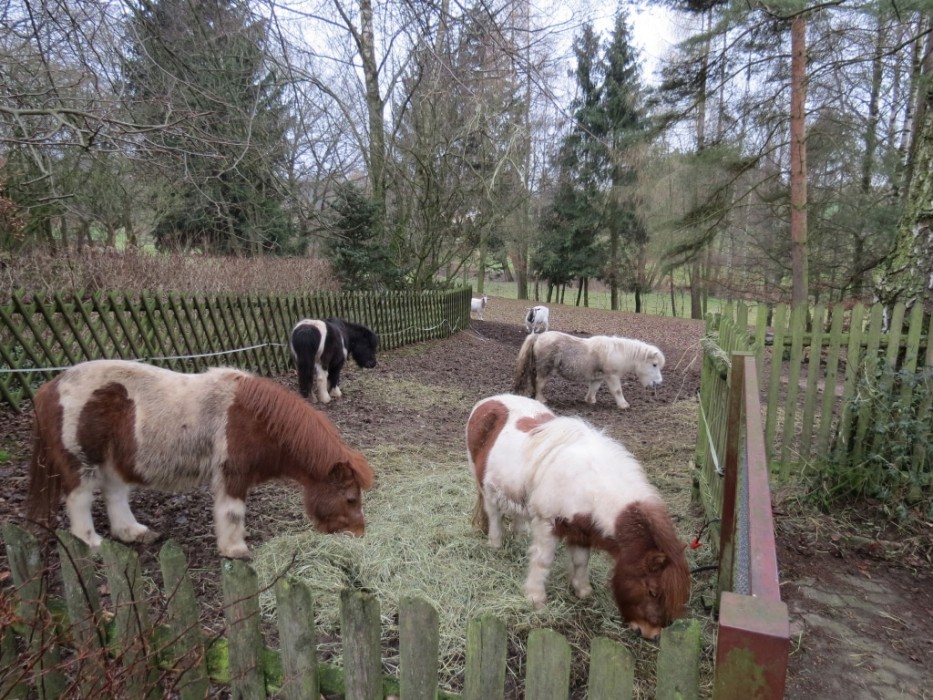
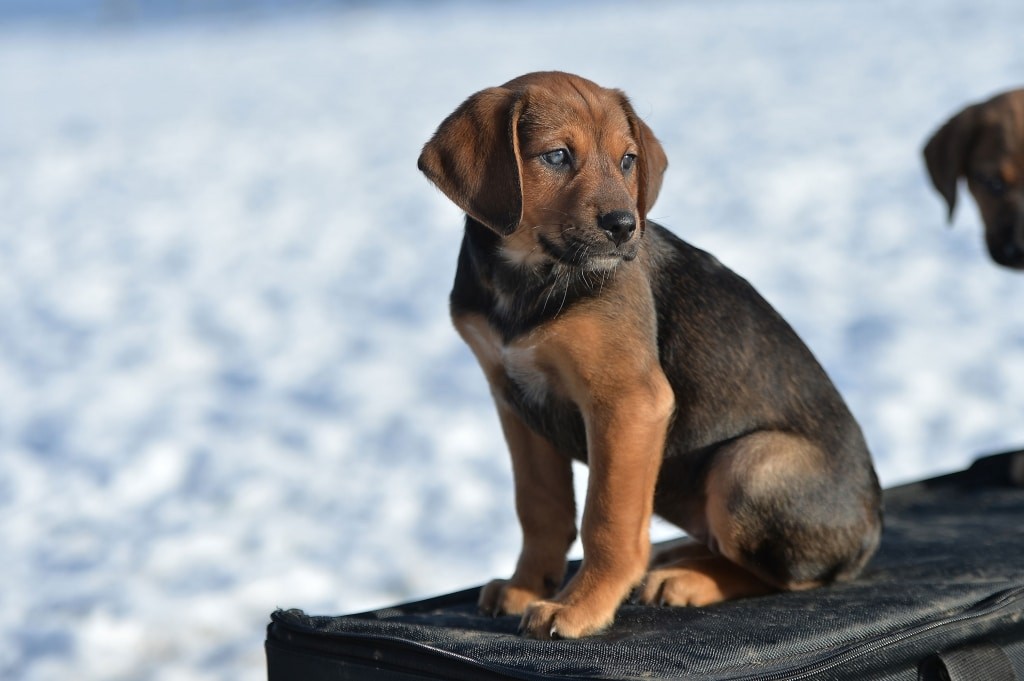
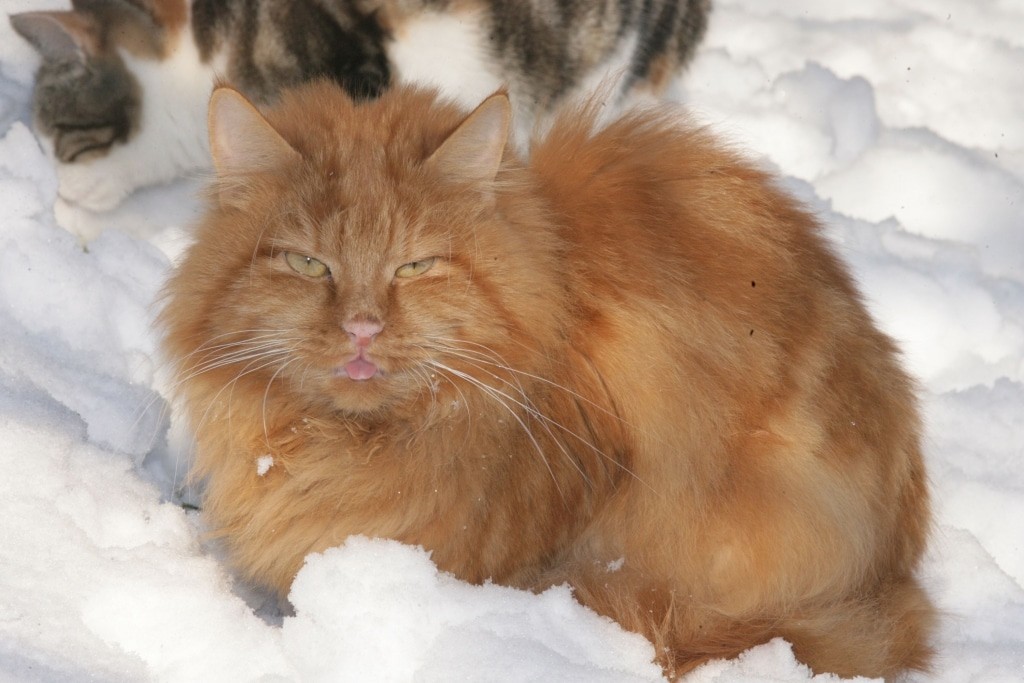
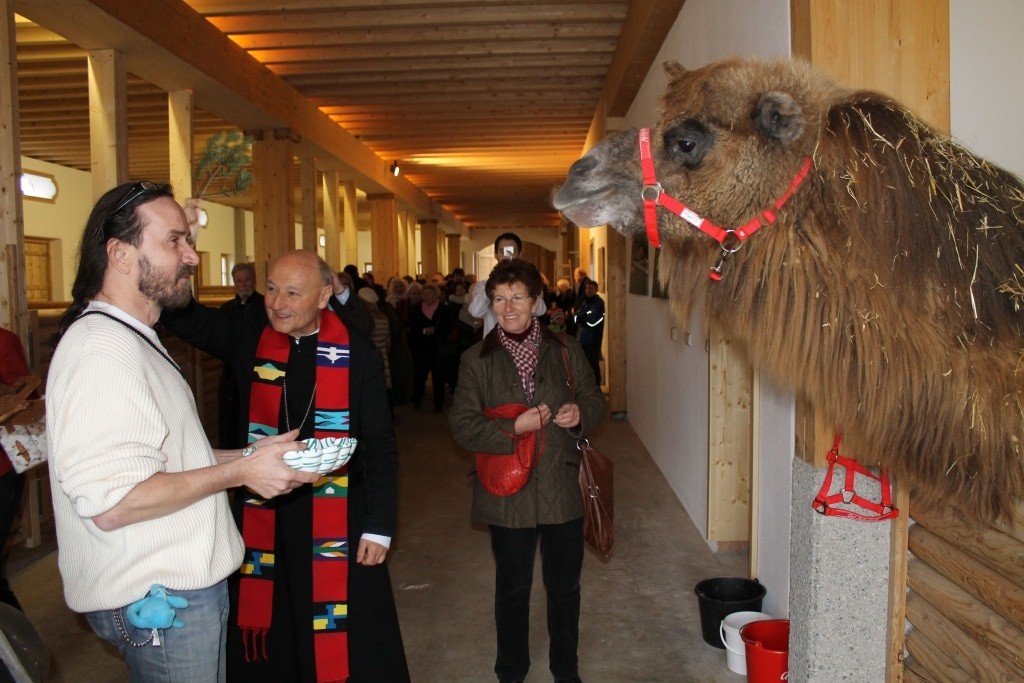
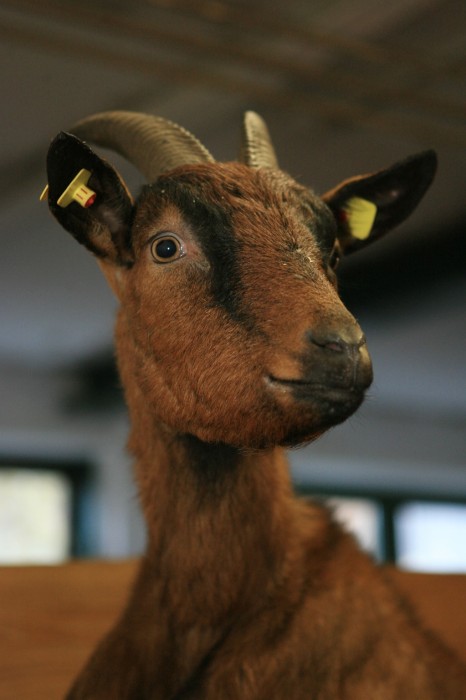
More than 5,000 animals rescued on 23 estates
Purchase of new meadows
Aiderbichl Farm cultivates land intended for the production of hay extensively. This means: particularly gentle. We wait until the fawns are big enough that the cutter bars are no longer a danger to them. By then, most of the grasses and flowers have also sown. Bushes and trees on our meadows are left standing. Where necessary, we plant mixed woodland refuges for small animals and birds.
We close off wetlands, although we are not obliged to do so. We also want to protect wild lilies and rare amphibians. This year, we were once again able to purchase large areas for Gut Aiderbichl and lease others.
At Gut Aiderbichl France, there are oak trees that are over 500 years old. They also enjoy our protection.
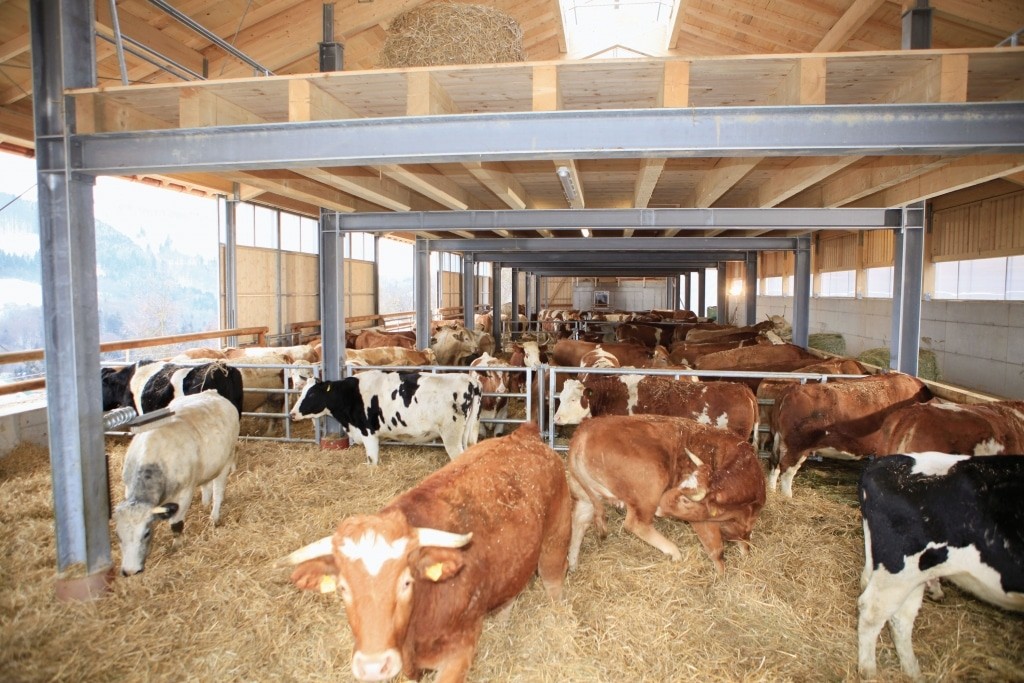
Gut Aiderbichl Kilb opens cattle barn
We have built a large free-range barn for our herd of rescued cattle in Kilb. The dimensions: 50 x 17 metres. A total of 101 cattle now live on our estate on the edge of the Dirndl Valley. We also acquire a new small property in Kilb. An agricultural area with planning permission. In addition to the cattle, Gut Aiderbichl Kilb is now also home to 25 rescued horses, 8 cats and three boars, which we bought free at an agricultural exhibition.
New hay store for Iffeldorf
With our enormous need for hay and straw, large barns are very important to us.
A barn measuring 31 x 20 metres is being built at Gut Aiderbichl Iffeldorf. Our sheep will make themselves comfortable in the barn. A large car park for our visitors, paths to the estate as well as a ticket office with shop, a plant purification system and the installation of a photovoltaic roof cover on the old barn will be completed over the course of the year in time for the inauguration in December.
Completion of the dog path
A unique dog trail is being created at Gut Aiderbichl Henndorf with the help of Aiderbichl owners Heidi and Jochen.
In the Salzburg region, where dogs are required to be kept on leads, it is now possible to let them run free between beautiful pastures. At Gut Aiderbichl Deggendorf, the dog run sponsored by Margit and Bernd Funda has been in operation for several months.
Gut Aiderbichl soya schnitzel
Aiderbichler Herbert Mackner has managed to prepare a schnitzel with soya that comes very close to the original. Our visitors are delighted. Especially because more and more people understand that the production of meat wastes more than ten times as much energy as soya alternatives.
Aiderbichler gives us a hotel
With more than 400 rescued cats under our lifelong protection, we urgently need a place where we can provide special care for old and unhealthy cats. We will soon be able to do this, as we have been given a hotel – which we will start refurbishing right at the beginning of 2013.
Blitz campaign for huskies in need
20 huskies are in mortal danger and would be euthanised without our rapid help. To mark Michael Aufhauser’s 60th birthday, all Aiderbichlers are joining forces and donating to the rebuilding of the former lion enclosure in Gänserndorf and the protection of the large pack.
Final completion of the donkey house, animal living room and outdoor cat enclosure in Henndorf
Gut Aiderbichl has broken new ground with its new donkey house. The rooms for cat and dog families have now been completed on the first floor. A new era of animal husbandry has begun. We would like to thank the Aiderbichlers Verena and Jürgen for creating the donkey house. And we owe the expansion of the animal living room to Aiderbichler Gerd Viebig, who passed away on 12 November 2011.
Cat barn & cat fence
A large storage and workshop hall has been built at Gut Aiderbichl Deggendorf thanks to the generous support of the Hatto Egerer Foundation and Bernd Funda, member of the board. Gut Aiderbichl is investing in the beautification of the entire Deggendorf estate. And Aiderbichler Sven Hunnius is financing a large cat barn.
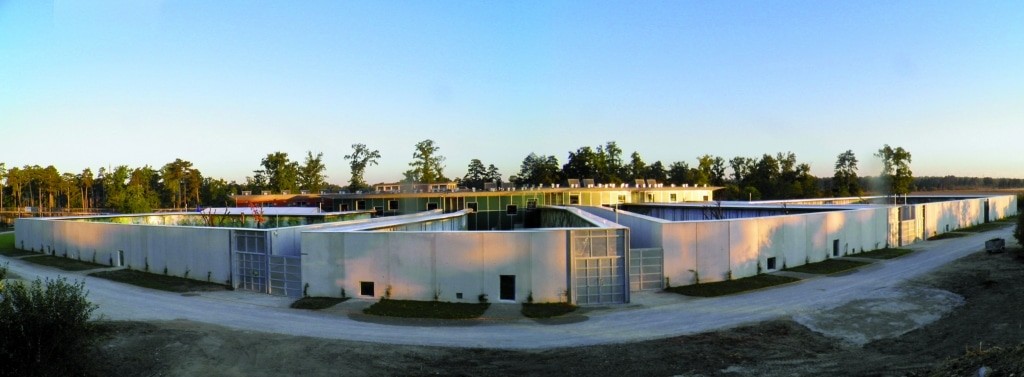
The B-house in the monkey sanctuary
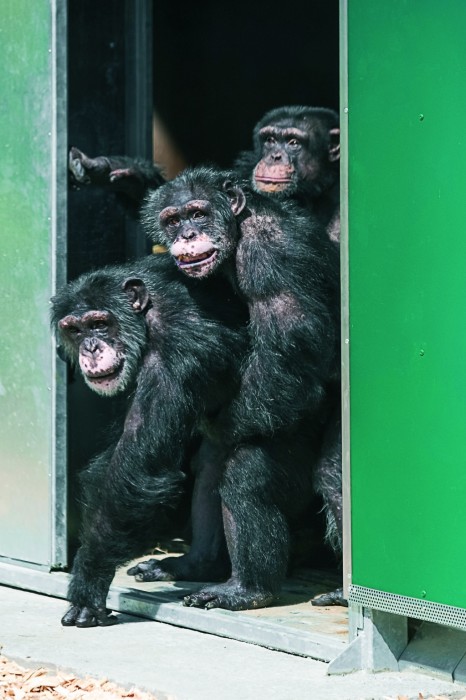
The chimpanzees were in intensive experiments in the research laboratory. This meant total isolation from their conspecifics. Even humans only came face to face with them in protective suits. The big moment has come for them this year. They too will be allowed outside for the first time in decades.
Mike Serres, the famous chimpanzee whisperer, is on hand to help our carers. They help the chimpanzees to forget their trauma.
New stables and enclosures are being built right next to the Gut Aiderbichl monkey sanctuary. For rescued goats, sheep, pigeons and dogs.
Additional, sustainable help
Since 2012, Gaston and Kathrin Glock have also become long-term supporters of Gut Aiderbichl with their aid projects that help the vulnerable, people, animals and nature.
Inauguration of Gut Aiderbichl Iffeldorf
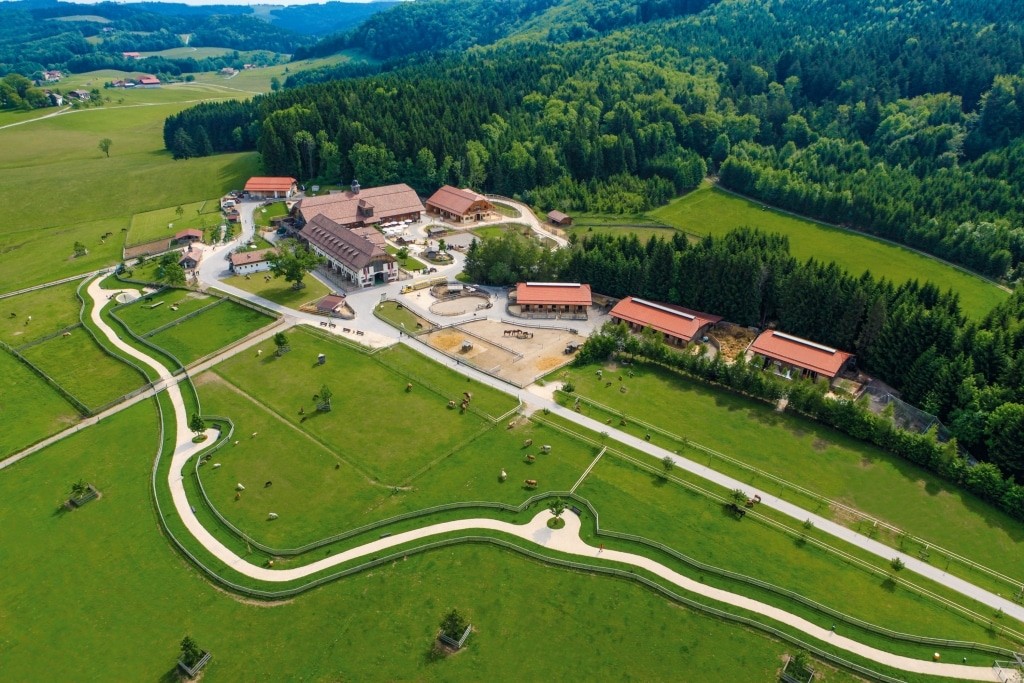
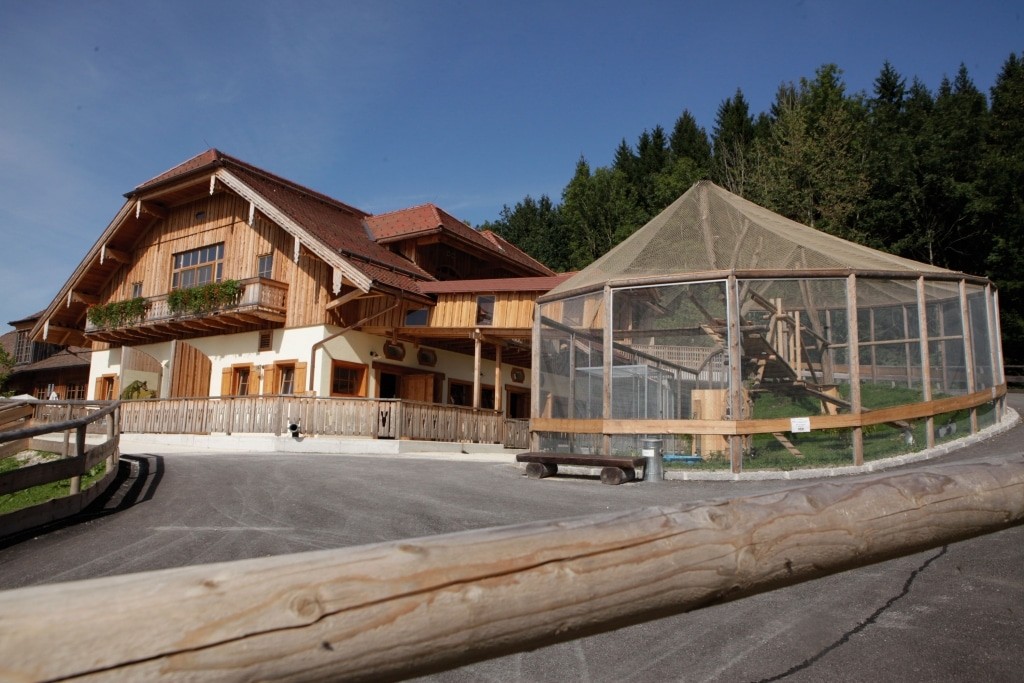
After almost two years of construction, the time has finally come: the main building of Gut Aiderbichl Iffeldorf, the Gertraud Gruber Osterseehof, is completed. There will be room for sixteen detached houses. The main barn, kitchen and catering facilities go into operation in December. The official opening will take place in April 2013. The building was constructed in the typical Gut Aiderbichl country house style. The Osterseen lakes have always been a popular excursion destination for Munich and Starnberg residents. The architecture we have chosen is already a compliment to one of the most beautiful areas in Germany.
10 years of Gut Aiderbichl
2011 is once again a year of expansions and new buildings. The construction of a pellet heating system has just been completed in Henndorf and construction machinery is already coming to the estate again.
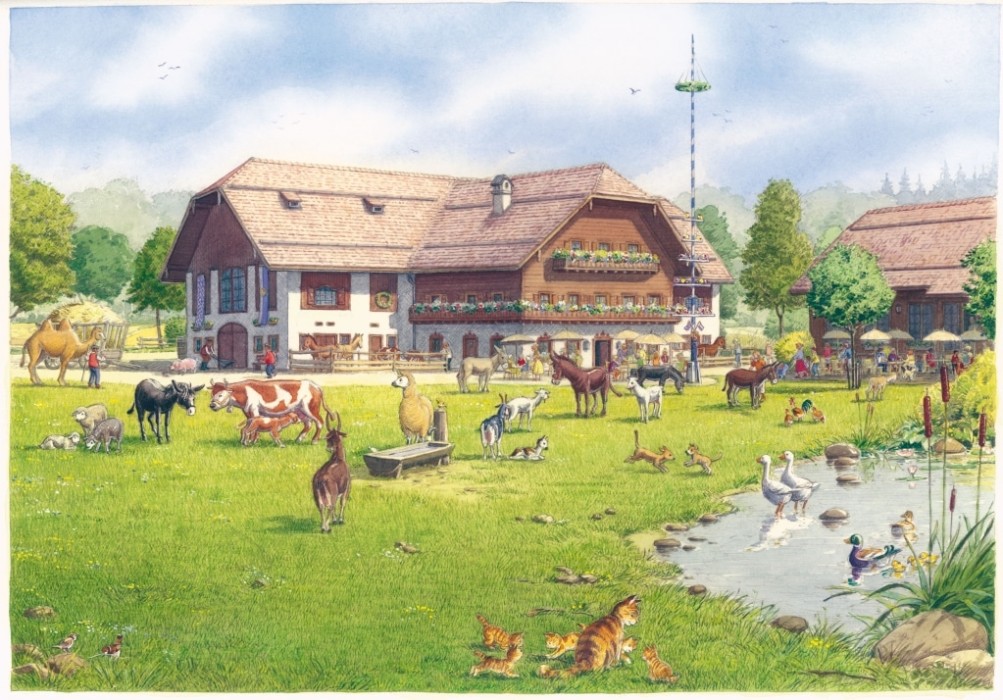
The new donkey house in Henndorf
The two Aiderbichlers Verena Weber and Jürgen Lorenz are the initiators of the new donkey house. With their support, we ventured into this new project. Our donkeys, some of which come to us from the south at an advanced age, urgently needed a heated stable. We started the earthworks at the end of March and the animals moved in at the end of November. On the first floor of the donkey house, we were able to build a large animal living room (dog and cat room…) with the support of Gerd Viebig.
Gut Aiderbichl Deggendorf
The entire facility was completely overhauled. With the support of the two Aiderbichlers Margit and Bernd Funda, we were able to construct large dog runs. The cat villa was extensively fenced in by a 2.5 metre high special fence and much more.
Our management is adapting
The Gut Aiderbichl head office is located in Salzburg. Our mail and every call is answered from here. We use a modern computer system to manage budgets, sponsorships, accounting and banking matters, payroll accounting and much more. Sonja Großmann, Silvia Schiller and Elsa Gamerith ensure that everything runs smoothly.
Bernadette Linasi heads our accounting department and is an authorised signatory. Werner Hingsamer is responsible for computer technology.
Dieter Ehrengruber is responsible for all important decisions, seven days a week. Michael Aufhauser, Holde Sudenn and Bianca Pöckl are responsible for publications and further developments.
Our administration is staffed 365 days a year.
Gut Aiderbichl Iffeldorf
The elaborate planning for the new Aiderbichl Estate, the “Gertraud Gruber Osterseehof”, has been completed. Paths have been laid out, old buildings restored… We have also received planning permission for new buildings, which will be constructed in line with the latest findings. Including a constructed wetland, photovoltaic power generation and a heat pump with our own groundwater. In all likelihood, the gates should open to visitors at the end of September 2012. Over 200 rescued animals are already living there.
Gut Aiderbichl Maria Schmolln
The renovation work on the “Gerd Viebig Farm” has continued. Over 20 parrots have moved into the large new aviary. Further aviaries are being built for another 50 rescued parrots that already live under our protection. The number of rescued cats increases to 75 velvet paws, which we were able to help in great need. A 2,000 square metre run will be secured with a 2.5 metre high special cat fence.
The dog trail in Henndorf
This year, a footpath was created from the gate that leads to the estate and on which dogs are allowed to run off the lead. Thanks to the initiators Heidi and Jochen Michels, the “dog path” was completed in autumn. An area, a terrace, was created in front of the hall in the guest garden, which is not accessible to free-roaming animals.
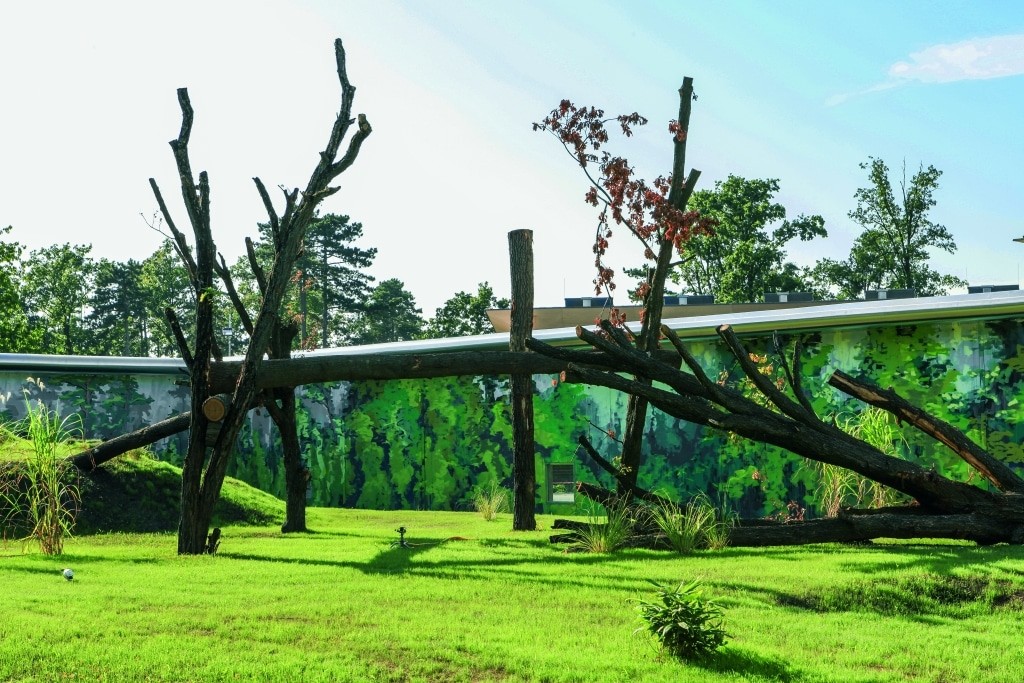
Gänserndorf: outdoor chimpanzee enclosure
On 6 September, the group of 10 chimpanzees were allowed outside again for the first time after decades of captivity in the experimental laboratory. 11 outdoor enclosures were built at a cost of around 3 million euros. Aiderbichl Managing Director Dieter Ehrengruber was in charge of this project.
New stables in Lower Austria
Another branch of Gut Aiderbichl is currently being built right next to the Gut Aiderbichl monkey sanctuary in Gänserndorf. This includes a huge pigeon aviary, which is being set up in the vacant giraffe house of the former safari park. The majority of the pigeons from Henndorf will be moved there. A spacious new goat and sheep house has also been built and a home created for three feral dogs. A new cattle shed was opened at Gut Aiderbichl Kilb in December 2011. Designed according to the latest findings, it offers 100 rescued cattle species-appropriate space.
A cat house in Switzerland
In Teufen near St. Gallen, an Aiderbichl resident has left her house to the Gut Aiderbichl Foundation, where her 25 cats currently live. Once the renovations are complete, it will become a cat sanctuary. It is our first property in Switzerland.
Animal rescues and relentless commitment
Animals need us day and night. If we have to refuse to take them in, it means a sad end for many of them. Many hundreds of animals in need found lifelong protection at Gut Aiderbichl in 2011. The most prominent case was the adoption of Yvonne the cow and her family (Gut Aiderbichl Deggendorf). But the blind donkey Noldi from Switzerland also came to us. As did around 50 horses, 25 cattle, over 150 cats, 25 dogs in need and many more.
The hostage drama in Klosterneuburg, in which Michael Aufhauser involuntarily played a key role, also brought us 16 bereaved horses. If you would like to follow our animal recordings, you can keep up to date on our homepage and in the Gut Aiderbichl magazine.
New: Gut Aiderbichl Iffeldorf
The foundation of the Gertraud Gruber Osterseehof just outside Munich is a coincidence. Aiderbichler Gertraud Gruber offers Gut Aiderbichl financial help in the event that the development of a new farm is considered in Upper Bavaria. When a farming family approached us with the wish to turn their dairy farm into an Aiderbichl Estate, nothing stood in the way of a new foundation. All their cattle and 2 ex-circus horses, as well as sheep and chickens, are immediately placed under the protection of Gut Aiderbichl. Gut Aiderbichl Iffeldorf will be our third estate, open to visitors all year round. The Süß farming family is taking over the management of the estate and, together with their team, is already looking after over 150 animals, including the pregnant camel mare Franziska.
Gut Aiderbichl Carinthia – in new splendour
Aiderbichl Carinthia Estate now includes a 5-hectare wildlife enclosure that is home to wild animals (red deer and roe deer) raised by humans. A stable building is being built to house ex-circus pigs, donkeys, sheep and goats, among others. A new, spacious poultry centre offers rescued animals a safe, beautiful home. Our animal keepers contribute significantly to the realisation of the idea of Aiderbichler dog families with the loving care of their charges. Estate manager Markus Leitner and his team provide exemplary care for over 200 rescued animals.
New: Gut Aiderbichl Maria Schmolln
Gerd Viebig has long been an animal rights activist and was looking for an animal welfare organisation that would continue to run his sanctuary in his spirit. He invites Michael Aufhauser and Dieter Ehrengruber to visit him in 2010. When Michael Aufhauser saw the farm, he initially thought it was a request for help. He offers Gerd Viebig his support. All the animals there live happily, but the property has been neglected. As it turns out, Gerd Viebig does not need financial help, but rather structures for his property. The Gerd Viebig farm and all its animals become part of Gut Aiderbichl.
New: Gut Aiderbichl France
Beatrice Bürchler-Keller has long offered us her country estate in France as an Aiderbichl property. The special thing about this estate is its incredible size. 60 hectares are surrounded by a 2 metre high and 4 kilometre long wall. After the appropriate remodelling and construction work and the creation of additional pastures, 100 cats and just as many horses as well as a family of dogs can now move in there.
This year, we are able to help numerous circus animals, including Mini, Maxi and Pumuckl, who are moving into Henndorf along with many others. 36 foals that we buy at auction are now living at Gut Aiderbichl France. In 2010, many hundreds of animals in need will be
on our estates. The animal population increases dramatically to over 2,000 rescued animals.
At the suggestion of editor-in-chief Robert Pölzer, Michael Aufhauser starts a weekly column in the magazine “Freizeit Revue”.
40 ex-lab chimpanzees become Aiderbichlers
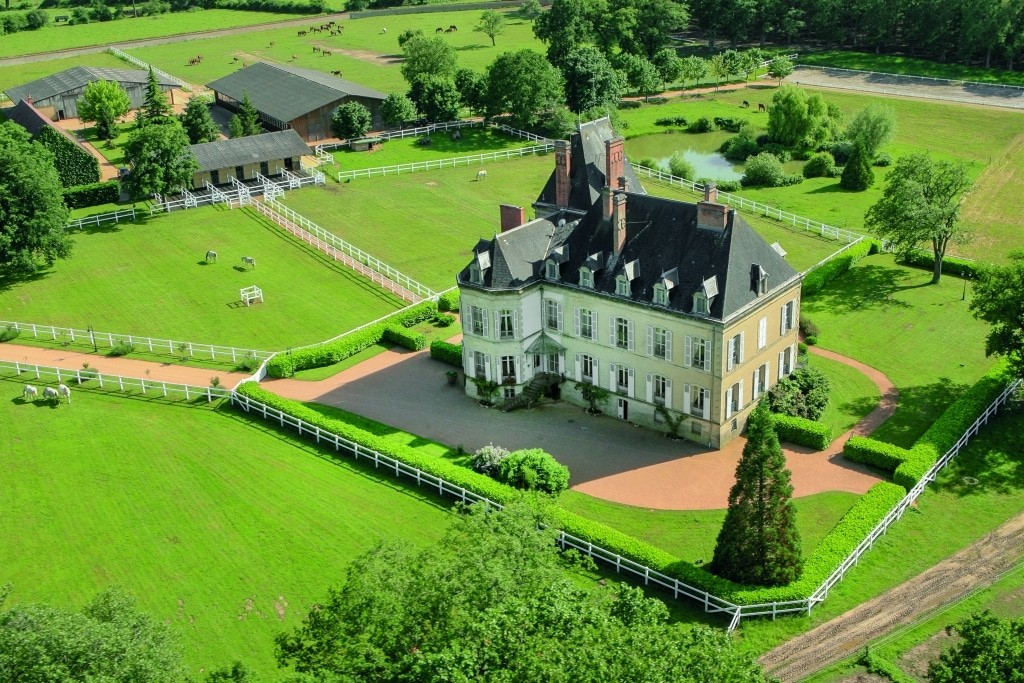
40 chimpanzees and 5 great apes have been part of the bankruptcy estate of the former Gänserndorf safari park since 2004. Many of them spent more than three decades in cramped cages in the animal testing laboratory. They were finally released in 1997. Due to a company takeover, the pharmaceutical company Baxter became their owner. Baxter does not carry out animal experiments with great apes. To thank the chimpanzees for the great sacrifice they had made for humans, Baxter built a large facility for them. The chimpanzees and great apes were moved there in 2002, and from then on most of them were allowed to live in groups. However, the planned outdoor enclosures were never built. In 2004, the operator of the ape enclosure filed for bankruptcy.
In 2009, the bankruptcy administration all but decided to transfer the majority of the chimpanzees to a Hungarian zoo. However, because Michael Aufhauser personally and privately guaranteed the lifelong keeping costs (from 2020) of the three youngest chimpanzees, they were all allowed to stay together and, with the approval of the state, the province of Lower Austria, Baxter and the municipality of Gänserndorf, became the property of Gut Aiderbichl.
Aiderbichl Estate takes in elderly ex-lab beagles
The dialogue with a large animal testing laboratory brings freedom to test dogs, some of which had to endure more than ten years of testing. They come under our protection.
New property for our rescued cattle
After taking in 15 rescued Galloway cattle, Christian Kögl gives up his breeding station in Mainburg and converts it into a Gut Aiderbichl cattle sanctuary. Here, 60 rescued cattle find a new home.
The non-profit Gut Aiderbichl Foundation Switzerland is founded. Gut Aiderbichl takes on the first mustangs in the USA.
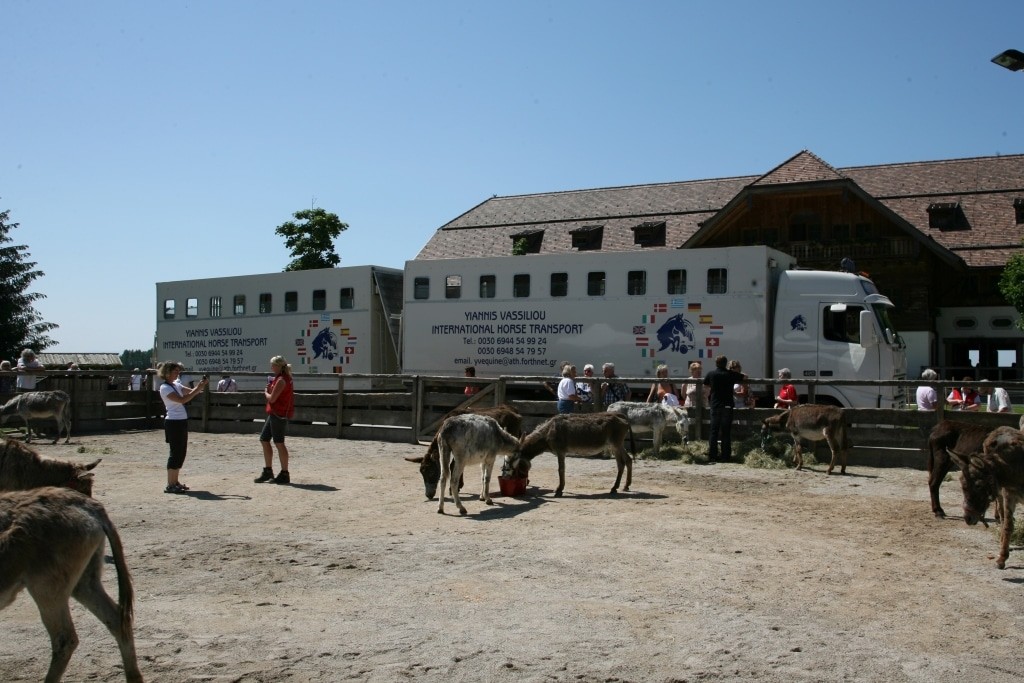
Rescues: Poor donkeys come to us from Corfu
The first transport of 14 rescued donkeys arrives at Gut Aiderbichl Henndorf. Stag Batzi and his Hiltraut move into the large deer enclosure at Gut Aiderbichl Carinthia. Baby deer Urs is born in Henndorf. Gut Aiderbichl acquires another property in the neighbourhood of Gut Aiderbichl Kilb. A large cat house is to be built there in future.
Animal welfare is also human welfare
A farmer from Kilb neglects his property and gets into big trouble as a result. He is to lose his farm and his more than 60 neglected cattle. Out of despair, he even threatens to commit suicide. Seeking help, he turns to Michael Aufhauser. His estate and all his cattle are transferred to the charitable Gut Aiderbichl Foundation. The whole village helps with the rescue. The farmer is given a lifelong right to live on his farm with his animals. All the female cattle are pregnant, and the herd soon reaches an impressive size of over 80 animals.
A large pigeon house is built in Deggendorf. The romantic little estate with the cat villa is added.
Since the Easter market, both of Gut Aiderbichl’s estates that can be visited now only serve meat-free meals. Maria Kaindl is now in charge of catering, Paul Kaiser is responsible for sponsorships and Hans Wintersteller becomes estate manager. Martina Neureiter takes over the management of the animal keepers and Aiderbichler Anna Pieringer will be responsible for the foxes in future.
Aiderbichler awards, four new books
Bear rescuer Jill Robinson receives the “Golden Heart for Animals 2008”, Michael Aufhauser writes four new books.
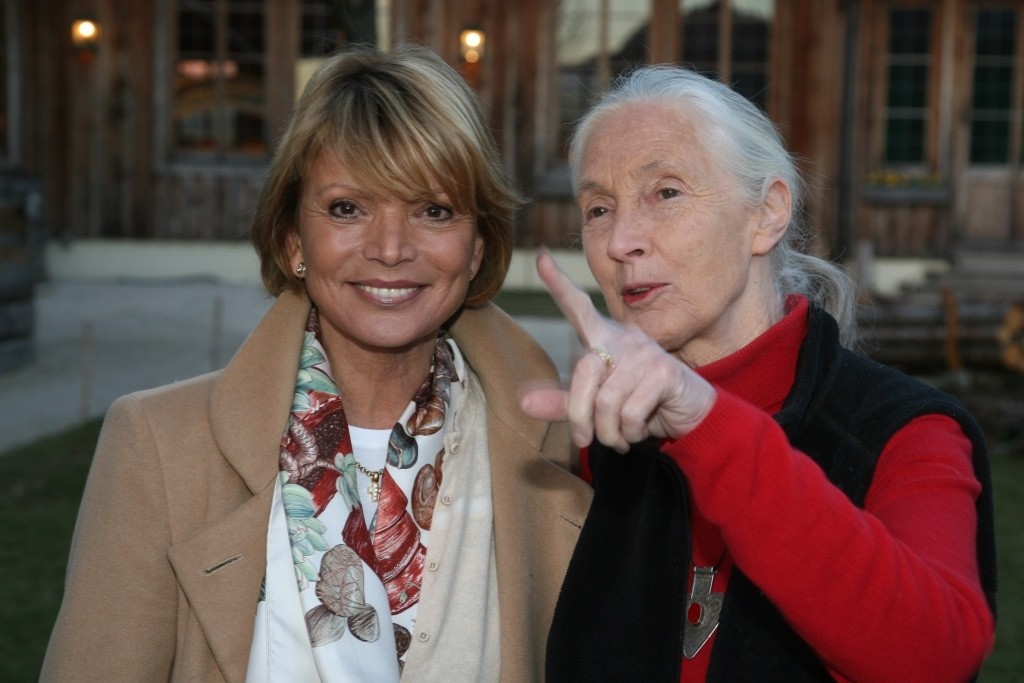
Chimpanzee expert Jane Goodall visits Gut Aiderbichl for the first time and gives two lectures.
Over 1,000 animals rescued on 11 estates and farms
Foals and “slaughter horses” that are taken in at Henndorf come to us as a result of animal emergencies, as well as from markets and auctions. A large transporter with donkeys from Corfu also arrives there. Paco, Tari and many other rescued dogs come under our protection. Donkey Donna-Anna is born. The six-legged calf Lizzy, four rescued foals from Switzerland, cat Tigerle and the three Persian cats Nino, Bounty and Pinky as well as bull Ernst and many others move into Deggendorf.
The large fox enclosure
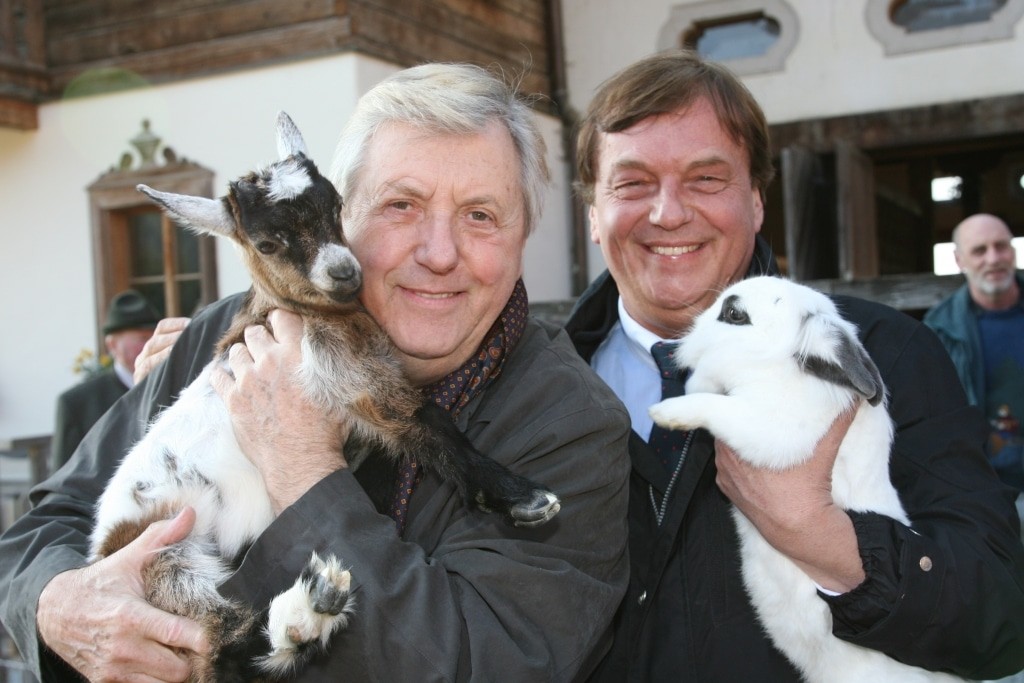
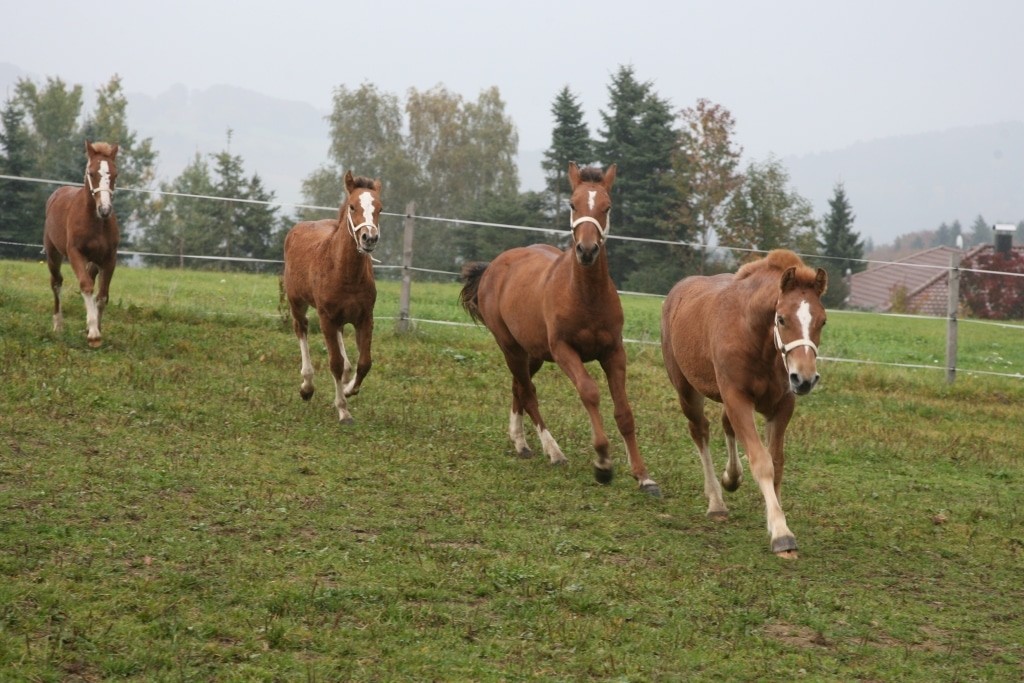
We are approached time and again by people who have bottle-fed orphaned fox cubs and then don’t know what to do with them. Releasing them back into the wild is not a solution, which is why we decided to build a large fox enclosure in Henndorf.
“The golden heart for animals” and many animal rescues
In its Eurovision programme, Gut Aiderbichl thanks people who have made a lasting commitment to animals. Among them animal keeper Thomas Dörflein (†) from Berlin Zoo with “his” polar bear Knut.
A transporter with 21 “horses for slaughter” is stopped in Austria. They are on their way from Romania to Belgium and are in a catastrophic condition. Animal welfare organisations are unable to raise the enormous sum needed to rescue them. Gut Aiderbichl increases the amount they have provided from € 7,000 to € 44,000 and buys all the animals free. The Köllersberger estate in Henndorf is converted into another Aiderbichl outdoor farm so that they can be kept in a species-appropriate environment. Gut Spielberg near Henndorf also becomes home to many rescued Aiderbichler horses.
Burli, a 30-head deer, is threatened with being shot by trophy hunters in his enclosure. We can save him. He moves to Henndorf with his doe Sophie.
Mr and Mrs Merkl hand over the Köglerhof farm in Carinthia to the charitable Gut Aiderbichl Foundation.
The book “Save the animals” and the first Aiderbichl magazine are published.
Circus grey horse Ösci, on which a tiger rode in the performances, is taken in. Whole herds of horses are bought free at markets and auctions. Gabi Wirths’ Thanham estate takes in over 20 rescued horses. And more and more poor cats come under the protection of Gut Aiderbichl. Ex-lab dog Snoopy and horse Tiger move in, as do wild boars Basti and Reni. Three Arctic foxes from a fur farm and many other animals become Aiderbichlers, as do the police horses Quintus, Barbarossa, Nixon and Kronos.
The non-profit Gut Aiderbichl Foundation Germany is founded in Passau.
Our homepage goes online
With the completion of our homepage (www.gut-aiderbichl.com), we are breaking new ground in making our findings and wealth of experience available to the public. Many people are unaware of the suffering of animals and switch off when reports on television are too cruel. Gut Aiderbichl focuses on the biographies of its rescued animals and deliberately avoids shocking images.
The first “Animal File” is published
The editor-in-chief of Munich’s tz newspaper, Karl Schermann, offers Michael Aufhauser an entire newspaper page for the “Animal File”. It develops into a successful weekly format that not only sheds light on individual fates, but also on the bigger picture. Susanne Stockmann is appointed editor in charge. “Akte Tier” turns five in 2011. Under the leadership of editor-in-chief Rudi Bögel, it continues to be an integral part of Munich’s highest-circulation newspaper.
ARD documentary series “The animal rescuers from Aiderbichl”
Millions of viewers can experience Aiderbichl’s animal rescues every day in a prime-time series. This brings us another step closer to our goal of giving animal welfare a larger platform.
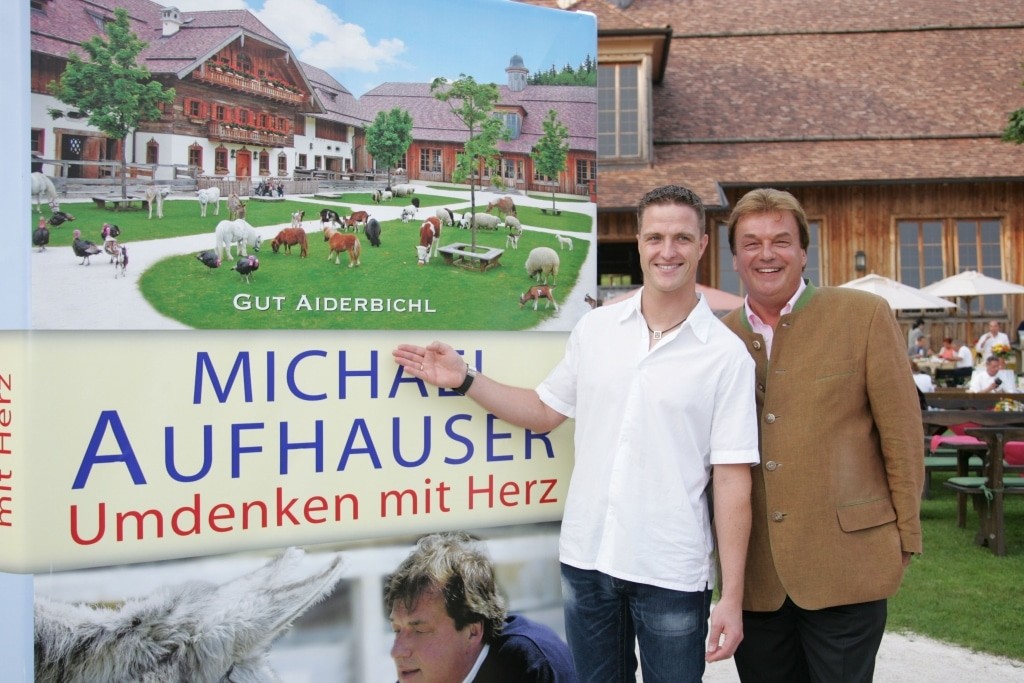
Michael Aufhauser’s book “Umdenken mit Herz” is published.
ARD / ORF shoot the feature film “A paradise for horses” (90 min.).
Media mogul Hans Beierlein visits Gut Aiderbichl together with ARD programme director Gerd Struve. In the same year, Hans Beierlein produces “Das Aiderbichl Lied” with Stefanie Hertel.
“Tierretter” editorial director Holde Sudenn moves to Gut Aiderbichl and from then on designs many of our projects.
Gut Aiderbichl Deggendorf opens its doors
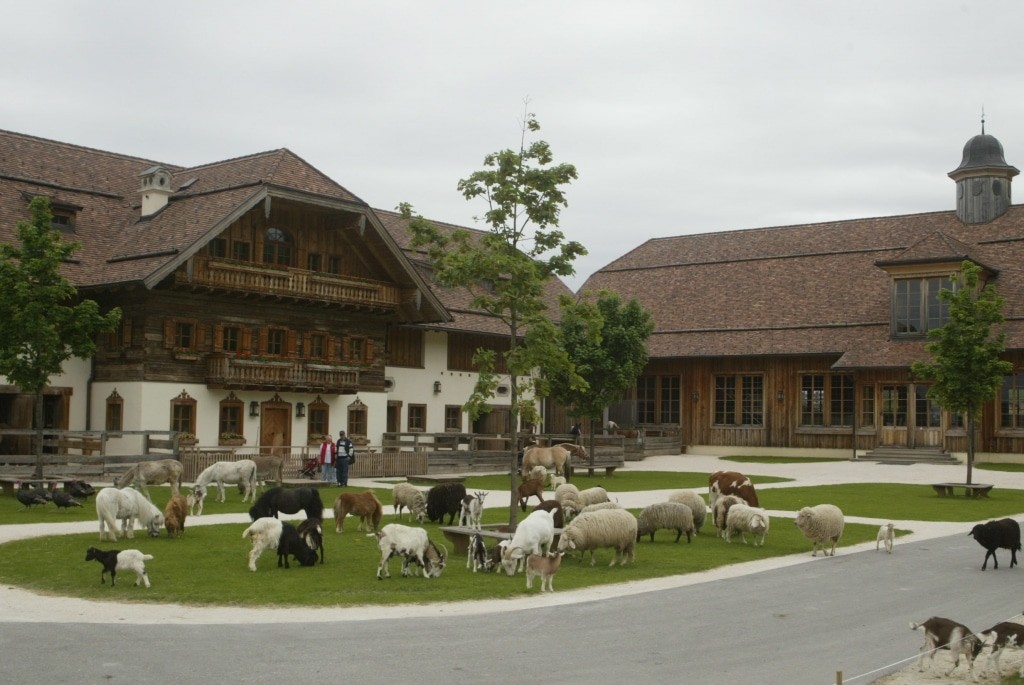
Bernd Funda from the Hatto Egerer Foundation in Deggendorf offers Gut Aiderbichl a long-term partnership – and a property in Eichberg. Gut Aiderbichl is building a large stable and other buildings on this site. At the end of the year, the second Gut Aiderbichl estate that can be visited will open there.
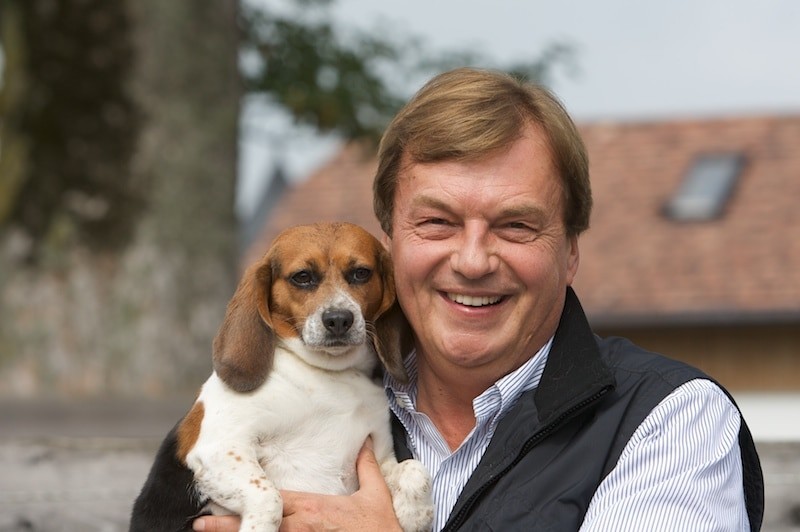
Gut Aiderbichl must become bigger
With around 700 rescued animals, Gut Aiderbichl is reaching the limits of its capacity. Dieter Ehrengruber is planning a farm barn, cattle house, pig palace and machine hall. Construction is due to start this year.
Gut Aiderbichl will be expanded to include outdoor yards – a calming stable, the Vierlingerhof and the Schroffner-Gut.
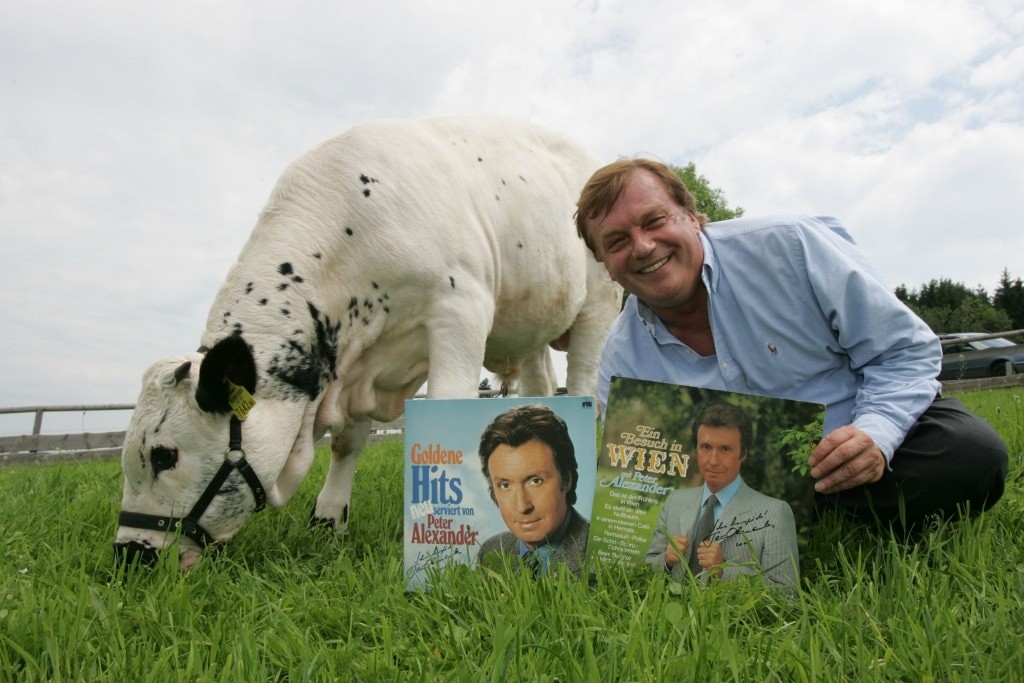
Peter Alexander’s (†) confidante, Erika Swatosch, arranges the sale of his private collection of recordings together with his daughter, Susanne Neumayer (†), in favour of Gut Aiderbichl.
Manfred Deix, Elfriede Jelinek and Ludwig Hirsch thematise the Aiderbichl theme with the sculpture “Klangpunkt”. The memorial is presented in Salzburg and Munich.
Michael Aufhauser starts his own column in the Munich newspaper tz.
Aiderbichl Estate lets its rescued animals tell their stories
The stories of the animals at Gut Aiderbichl and its philosophy are resonating not only in Austria, but also in Germany and Switzerland. Gut Aiderbichl is becoming a recognised institution that stands up for animals in need, but also for vulnerable people in general. There are reports from Gut Aiderbichl all year round and television teams are on site almost every day. The rescued animals not only find sustainable protection and the best care here. With the help of Gut Aiderbichl, their instructive biographies become known. How most of their fellow animals are kept, torturously bred, transported and finally slaughtered.
Schools, clubs, people with disabilities and day guests visit Gut Aiderbichl. With the “Good Truck”, a large lorry full of rescued animals, the Gut Aiderbichl team travels to people who are too weak to come to us themselves.
Maltreated donkeys arrive from the Greek island of Thassos. Some have been abandoned to starve. But dogs like the legendary Benny, who was not allowed to go to the old people’s home, also find refuge at Gut Aiderbichl.
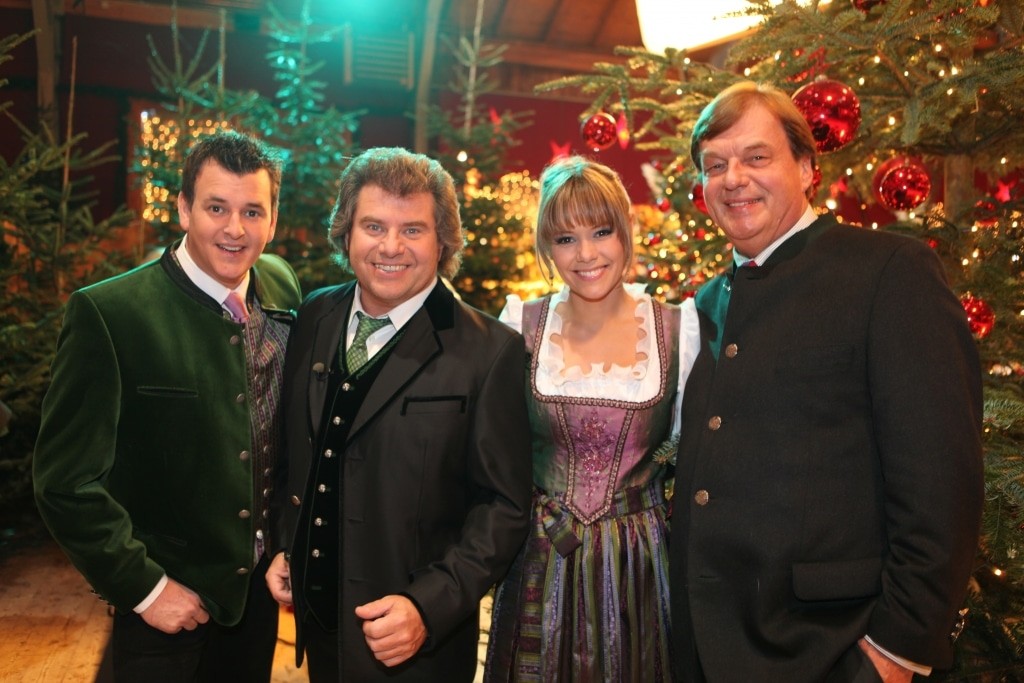
The Christmas market takes on much larger dimensions and once again shines in the Eurovision programme with Francine Jordi and Marc Pircher as presenters, directed by Wolfgang Moik.
Dramatic increase in animal rescues
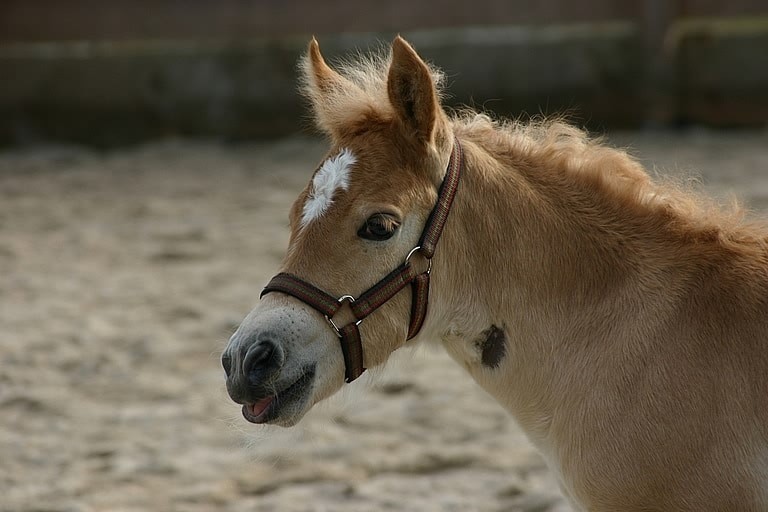
A young lady writes a letter on behalf of the poor riding school horse Jasmin. Gut Aiderbichl takes over all the horses on the farm. Gut Aiderbichl buys “slaughter horses” on a large scale at horse markets in Munich and Maishofen. Pigs, goats, geese, battery hens and the first Greek donkeys find shelter at Gut Aiderbichl. They are all allowed to stay forever. Including escape bull Harry with his mother Alexandra and brother Günter as well as bull Francis and bull Pauli, who escaped from the slaughterhouse.
The animal population increases to 400 rescued animals
The Aiderbichl campaign, together with Toni Hubmann (Toni’s Freilandeier) “Food without cages”, to promote the free-range rearing of laying hens and the abolition of cages, is a great success.
Gut Aiderbichl establishes a well-functioning catering service and offers guided tours every hour. The knowledge provided and the animal stories encourage people to think and rethink.
Aiderbichl feature film has over 7 million viewers
Shooting begins on the television film “A Paradise for Animals” starring Francis Fulton Smith, Herbert Fux, Susanne Michel and many others, based on the founding story of Gut Aiderbichl (ARD, ORF). It achieved dream ratings when it was broadcast.
At the autumn foal auction in Maishofen, Gut Aiderbichl buys back more than 30 death candidates, including the little filly Kathi. Out of grief she does not want to eat, she misses her mother Mariandl. After a week, we buy the mother and give her back to Kathi. An impressive documentary of their reunion is shown in the Eurovision programme “Christmas at Gut Aiderbichl”. The public is deeply moved and now has a better understanding of the suffering humans inflict on animals. How unworthy we are of our fellow creatures.
The first Christmas market with a large live animal nativity scene takes place at Gut Aiderbichl Henndorf. Museum educator Brunhilde Grasser establishes her children’s craft programme.
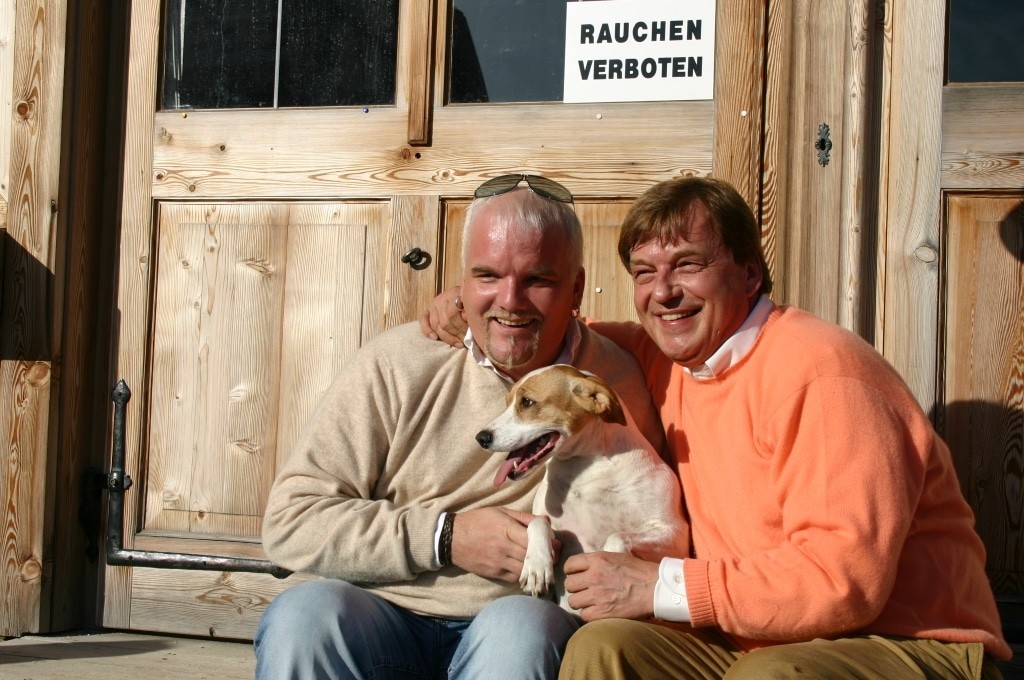
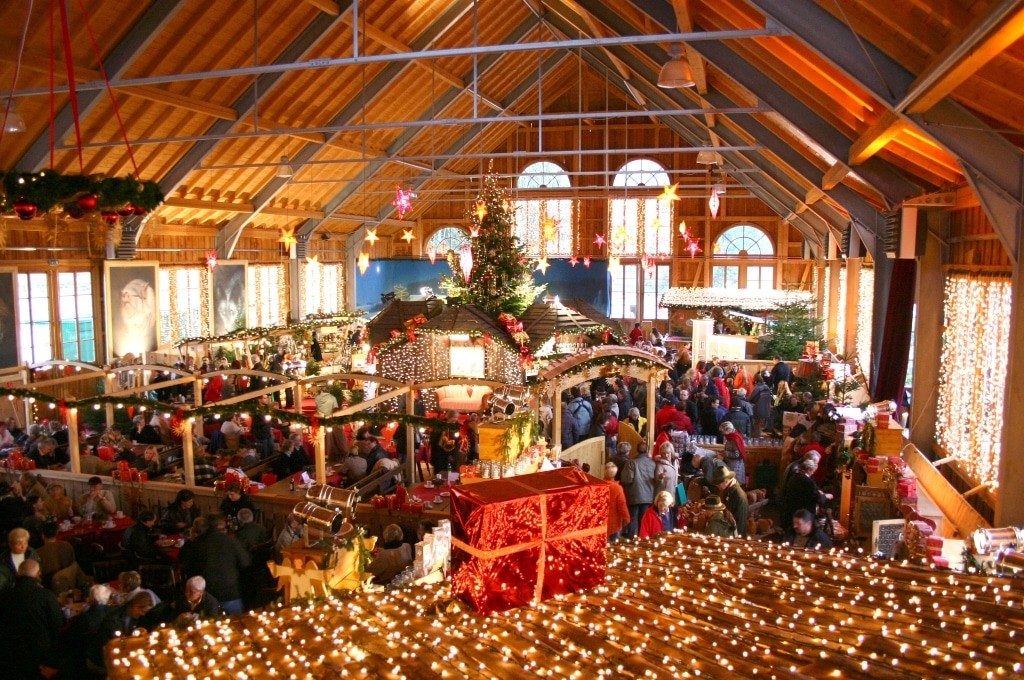
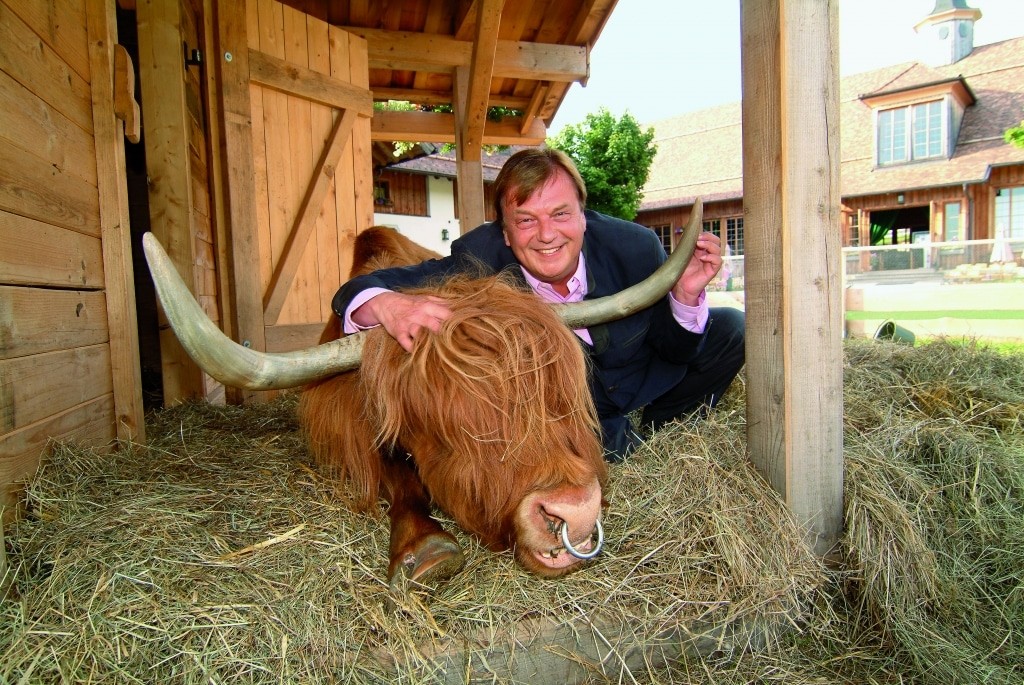
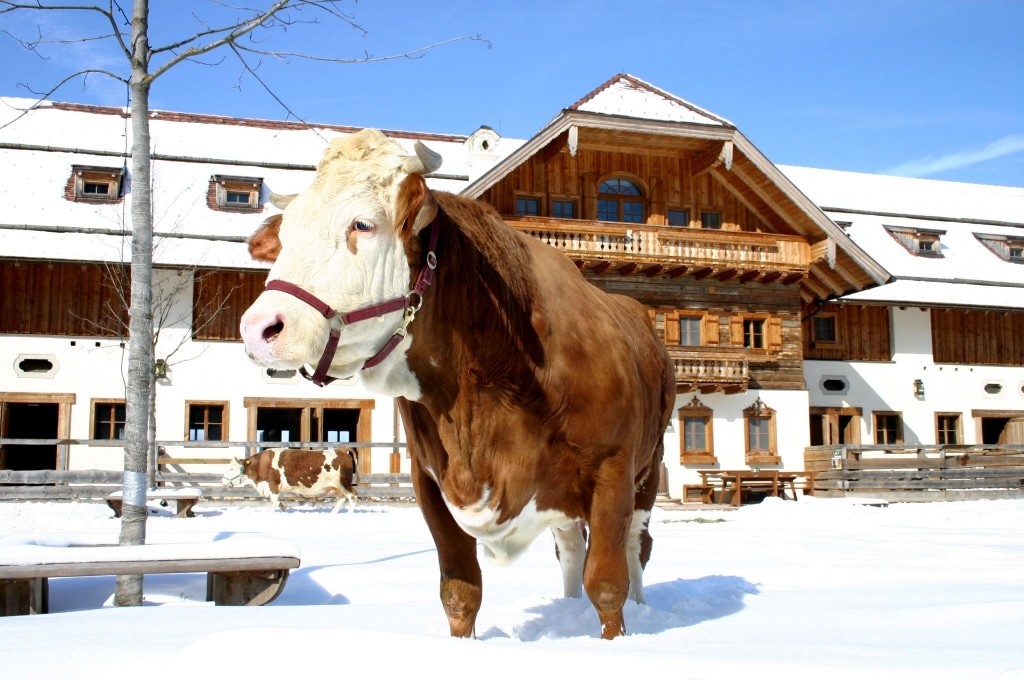
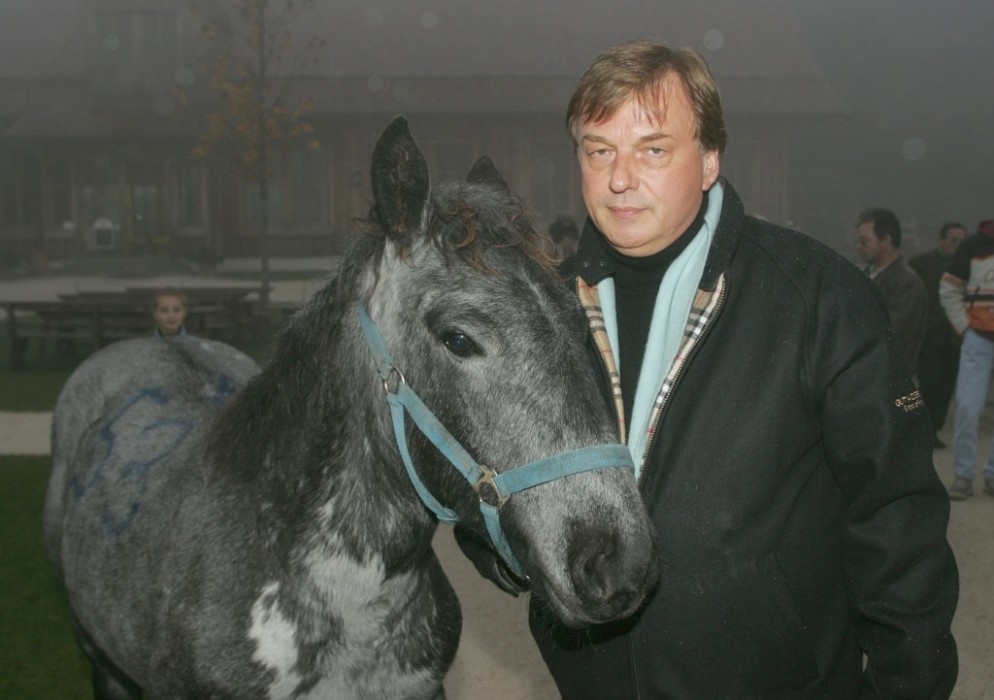
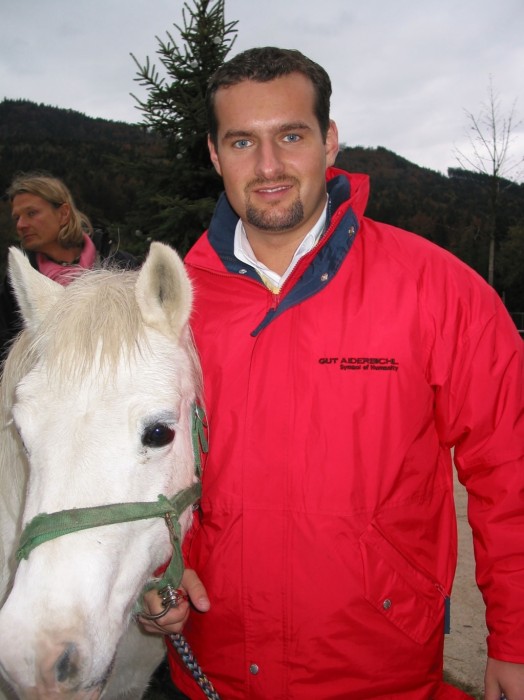
Dieter Ehrengruber takes over the management and organises and manages all of the estate’s activities, with Friedel Grünthal at his side.
Gut Aiderbichl helps animals achieve constitutional status
After a visit and a guided tour by Michael Aufhauser at Gut Aiderbichl, the Salzburg state parliament decides to include animals as fellow creatures in the state constitution – unanimously! In May, the Friesian black horse “Der Schwarze”, a circus horse, is allowed to retire to Gut Aiderbichl. Ulrike Schmidt writes a legendary article in the tz newspaper about his admission.
Media accompany the further development
On 15 August, Uschi Stiedl, senior editor for entertainment at ORF, visits Gut Aiderbichl Henning with Dagmar Koller’s programme “Hallo wie gehts?” Gut Aiderbichl Henndorf. Journalist Helmut Schödel draws attention to Gut Aiderbichl with full-page reports (“Festspielfarm” and “Das Schreien der Lämmer”) in the “Süd-deutsche Zeitung” newspaper. His enthusiasm made him a firm supporter of Gut Aiderbichl from then on.
The non-profit Gut Aiderbichl Foundation
Gut Aiderbichl’s approach developed in a way that turned out to be unique. The Gut Aiderbichl Foundation is established. The many animal rescues prove the direct commitment to animals in need. Instead of denouncing, Michael Aufhauser initially sees dialogue as a viable way to help animals. He relies on the heart-wrenching biographies of the rescued animals to wake people up. Hospice residents visit Gut Aiderbichl for the first time. Uschi Glas brings her pig “Kümmerts” and becomes a prominent companion of Gut Aiderbichl. A second dog run is established in Salzburg.
The Eurovision programme “Christmas at Gut Aiderbichl” celebrates its premiere.
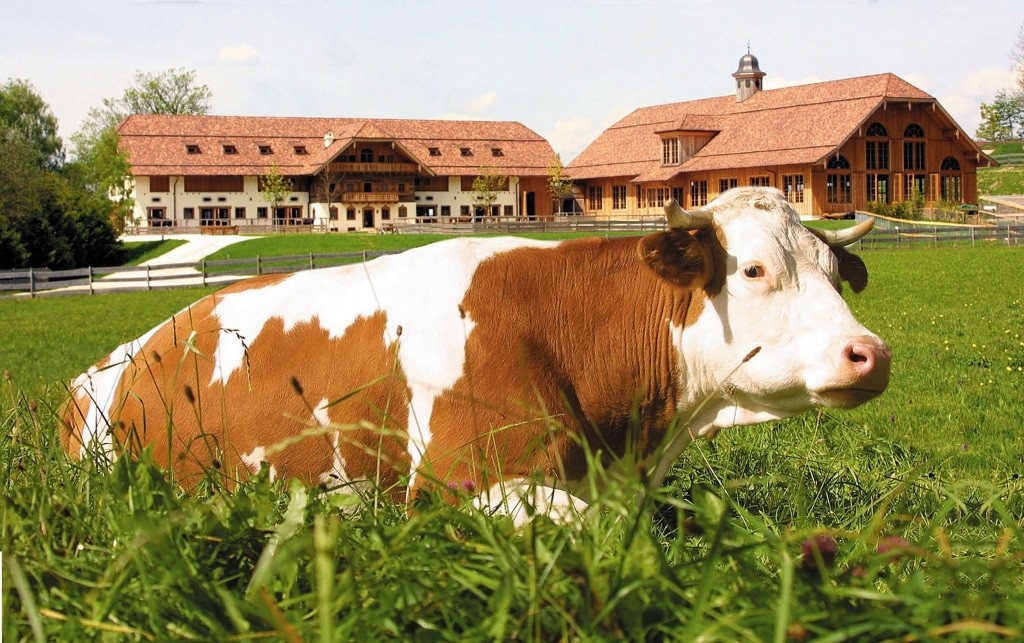
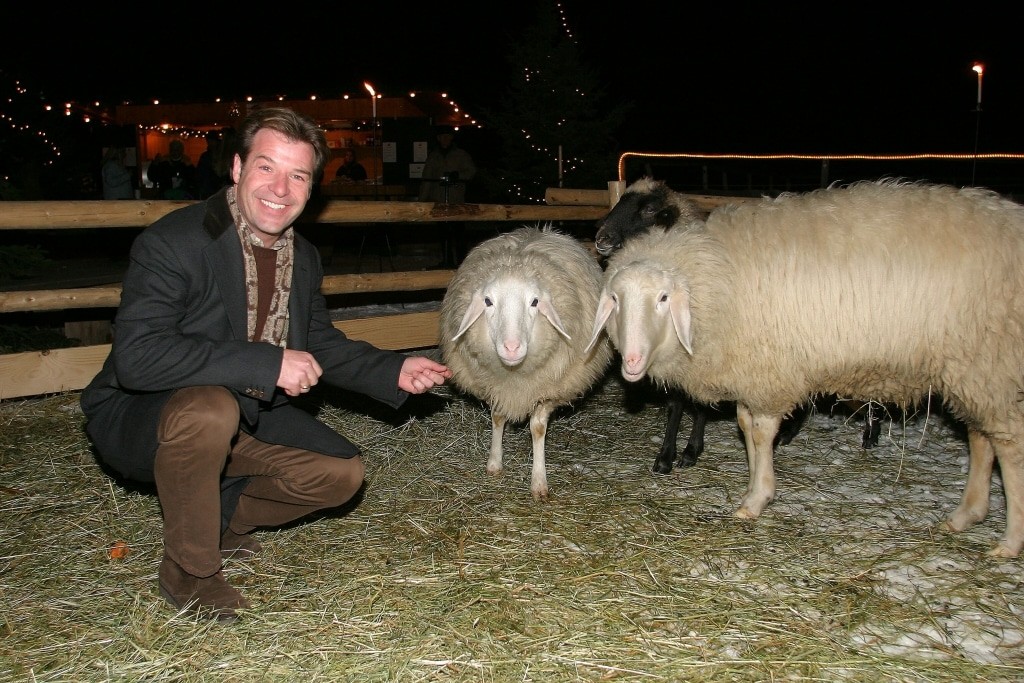
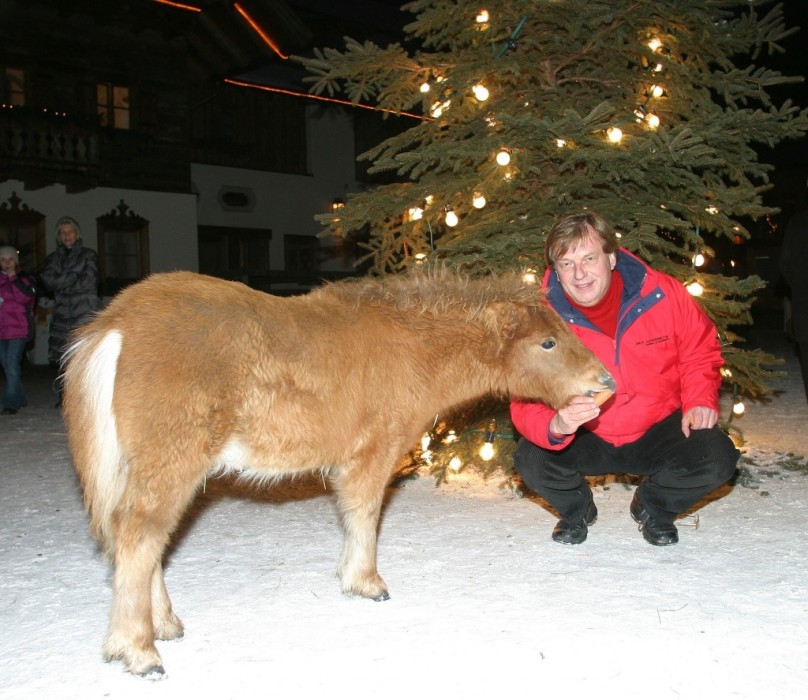
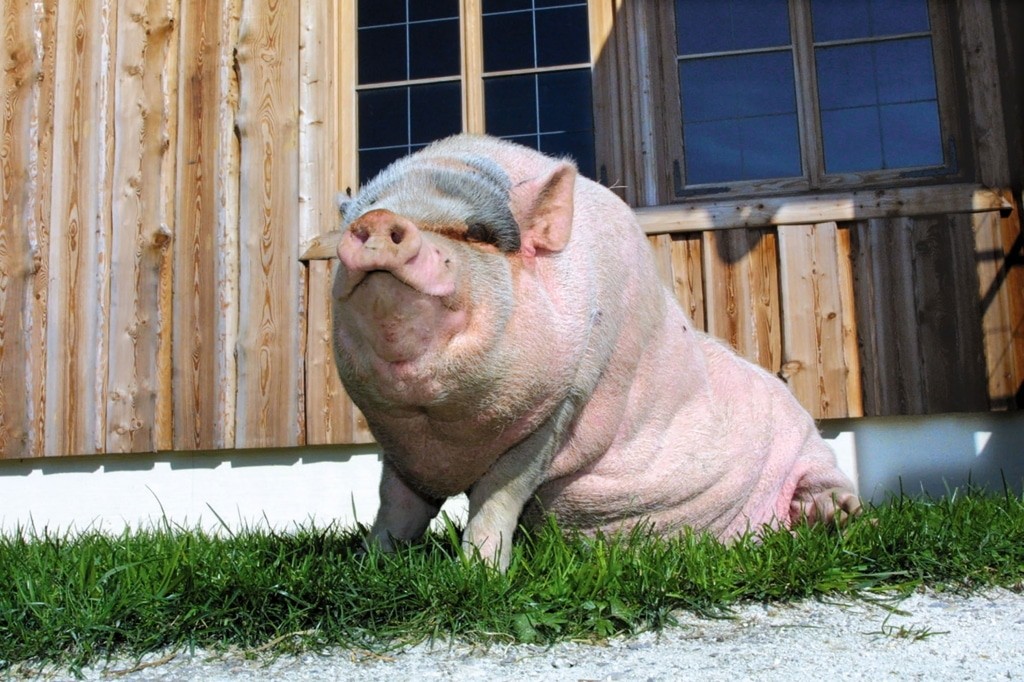
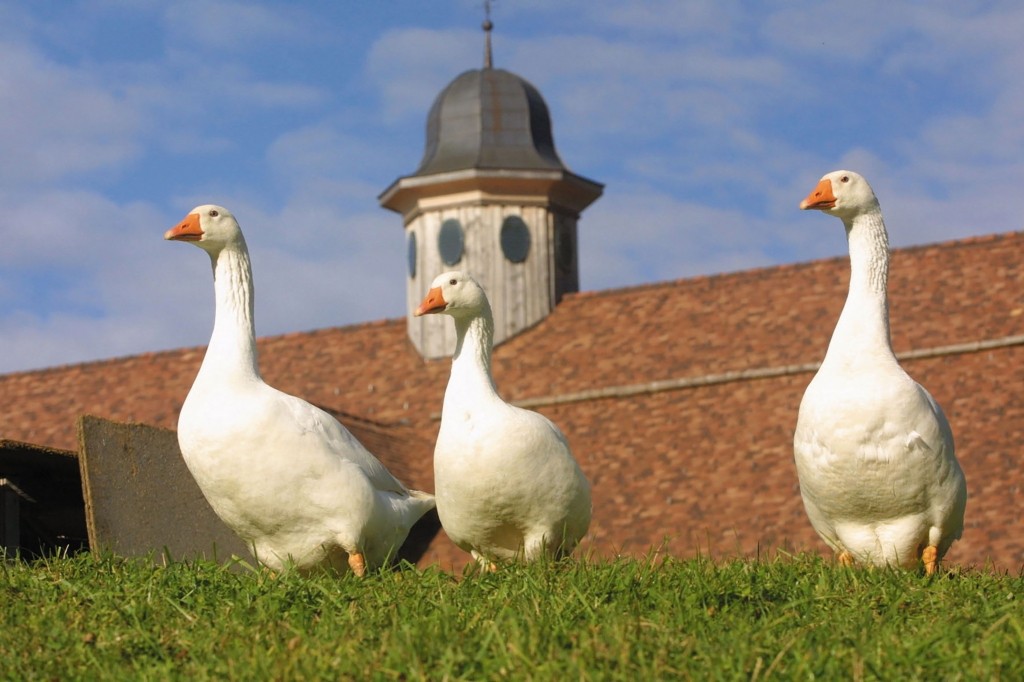
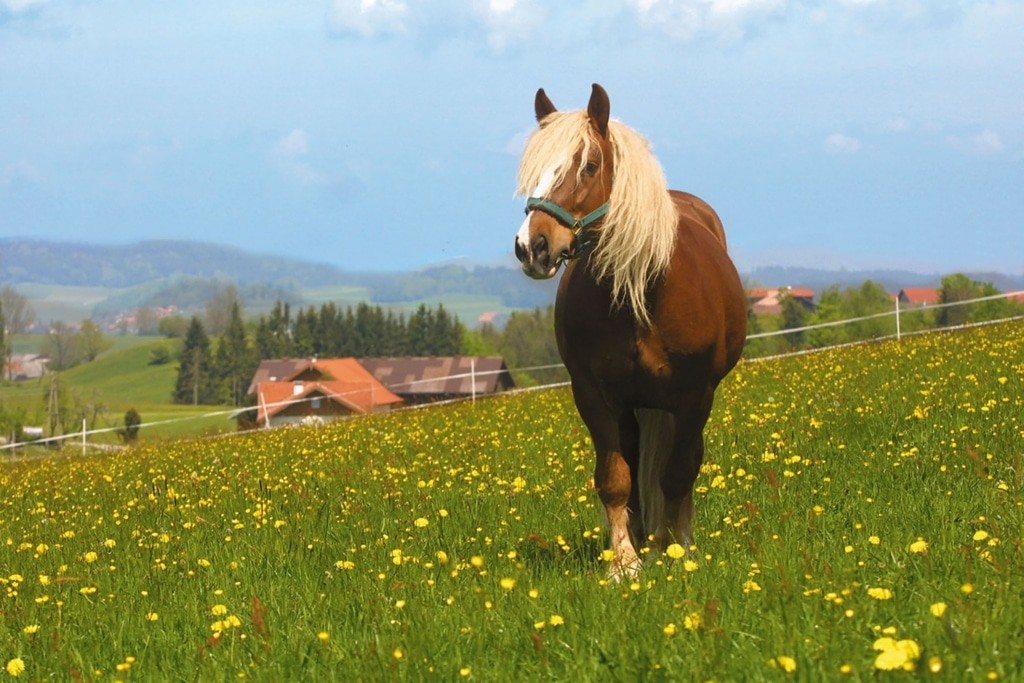
A farm of mercy that makes a difference
Gut Aiderbichl can look back on an exciting founding year with many highlights, such as the animal service on the topic of “Cattle transports to the Middle East”, which was attended by representatives of various religions. Or the unforgettable day in August, when 1,000 children were able to discover and get to know Gut Aiderbichl and its rescued animals. Gut Aiderbichl has become a meeting place between humans and animals – a symbol of humanity.
22 February: The “Friends of Animal Rights” is founded.
The foal Baricello is sent to slaughter at the age of four months. Gut Aiderbichl initially takes him in and after a month also buys his mother Chatleen. The touching reunion after four weeks of separation moves millions.
Film producer Mucky Degn (“Degnfilm”) brings Karl Moik to Gut Aiderbichl – he is fascinated.
On 9 March, Michael Aufhauser appears for the first time on Musikantenstadl with the rescued bull Zuli and the pigs Hanni and Nanni. The story of Baricello and Chatleen will also be shown here.
Ex-fur farm vixen Melissa becomes an Aiderbichler.
ORF broadcasts an “Austria Picture”: “The Animal Diplomat”.
Michael Aufhauser founds the first dog run
Michael Aufhauser leases a large area of land and founds Austria’s first dog exercise area in Seekirchen. His goal: just as every municipality has a football pitch, dog exercise areas should also be a matter of course in Austria, which is dominated by the obligation to keep dogs on leads – a prerequisite for species-appropriate dog ownership.
Gut Aiderbichl buys Lazarus and other horses free. Brigitta Gstöttner, teacher and Aiderbichl resident, takes on a permanent sponsorship for the rescued Lazarus.
Aiderbichler Eva Benischke leaves a cat house to Gut Aiderbichl.
In the course of 2002, the number of rescued animals grows to over 200.
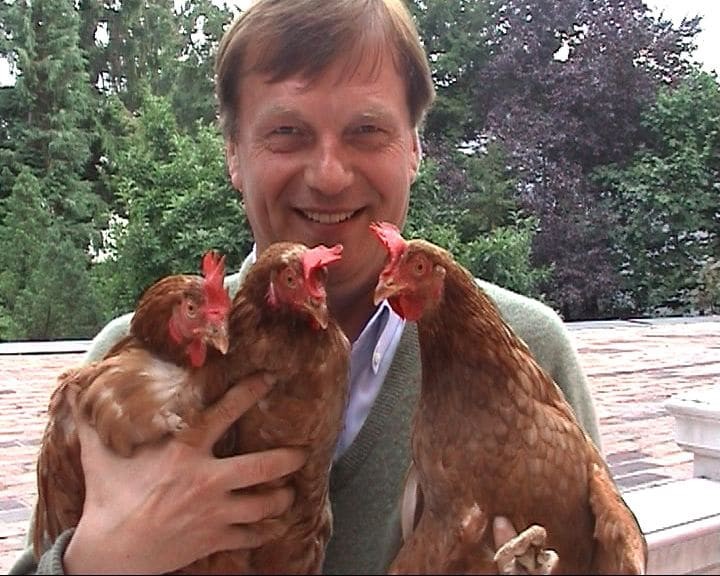
Gut Aiderbichl should reach many people
Start of a rapid development
Even before the construction of Gut Aiderbichl, Michael Aufhauser had campaigned in his new home of Salzburg for the abolition of cattle transports to the Middle East. In 2000, he reached many people with his project “The Cow Misera”. The memorial was designed by Michael Fuchs and showed the elements that cause animal suffering: people who radiate coldness and greed for profit. Many celebrities attended the presentation in Salzburg, including Tatjana Patitz and Hans Clarin (†). But also Manfred Karremann, who uncovered and documented the torturous animal transports from Europe to North Africa, and animal rights activist Dr Andreas Grasmüller (†).
Gut Aiderbichl should reach many people
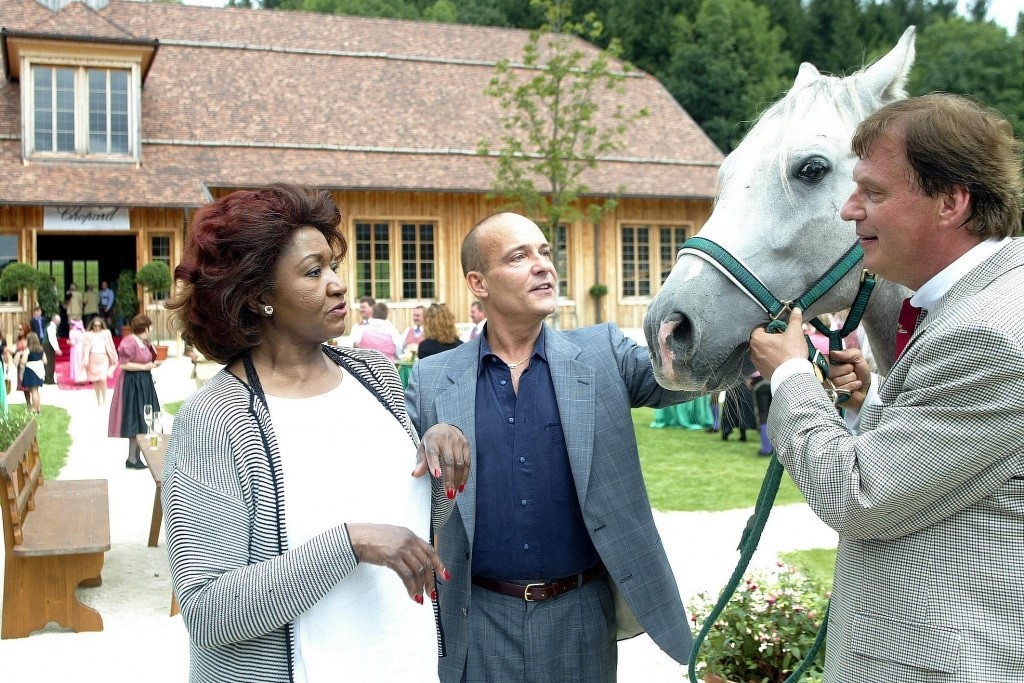
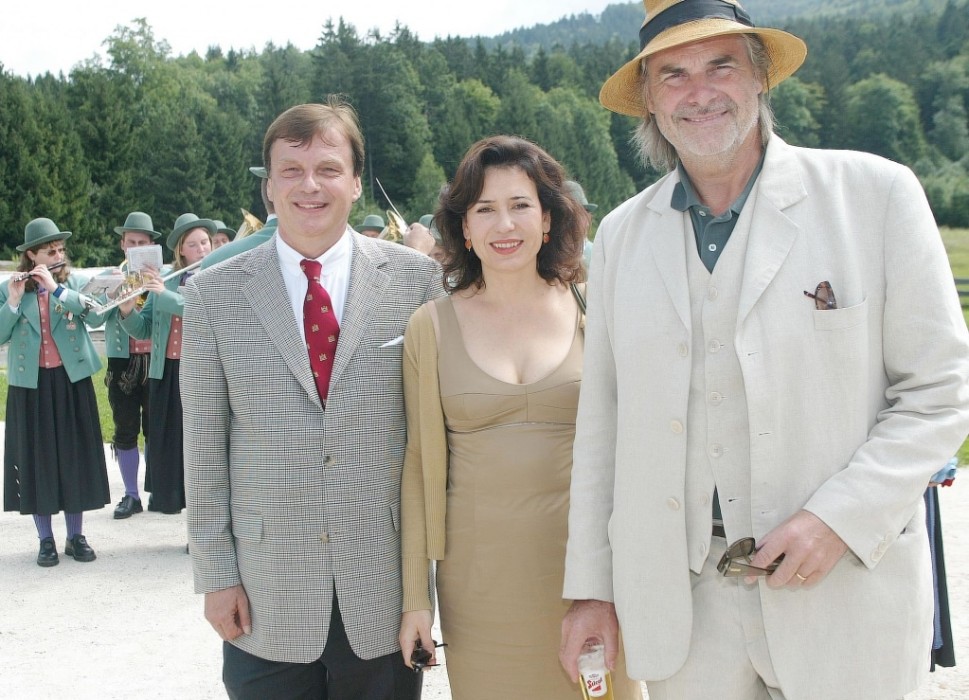
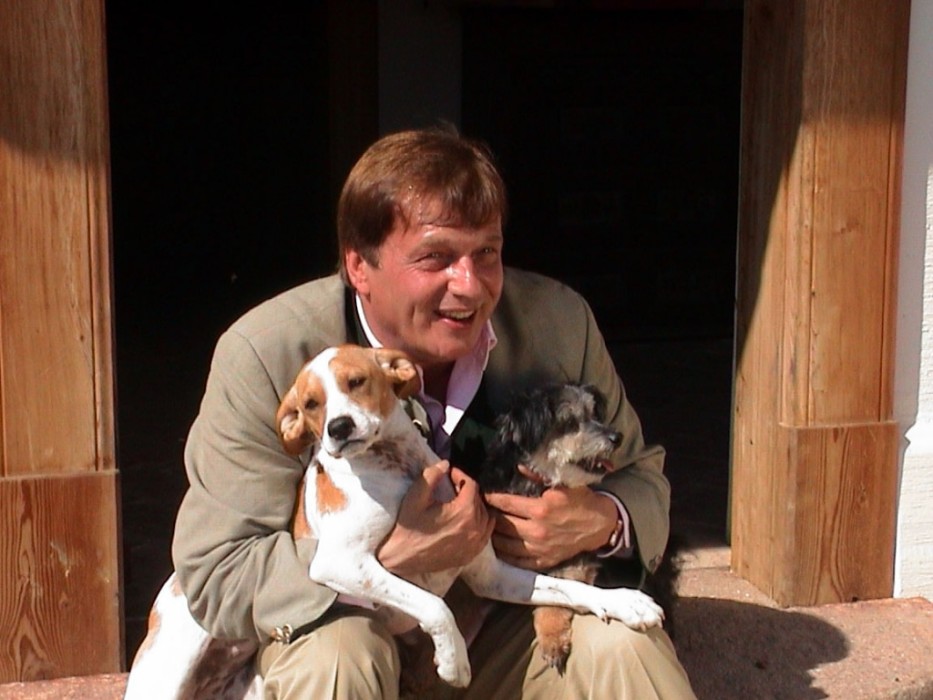
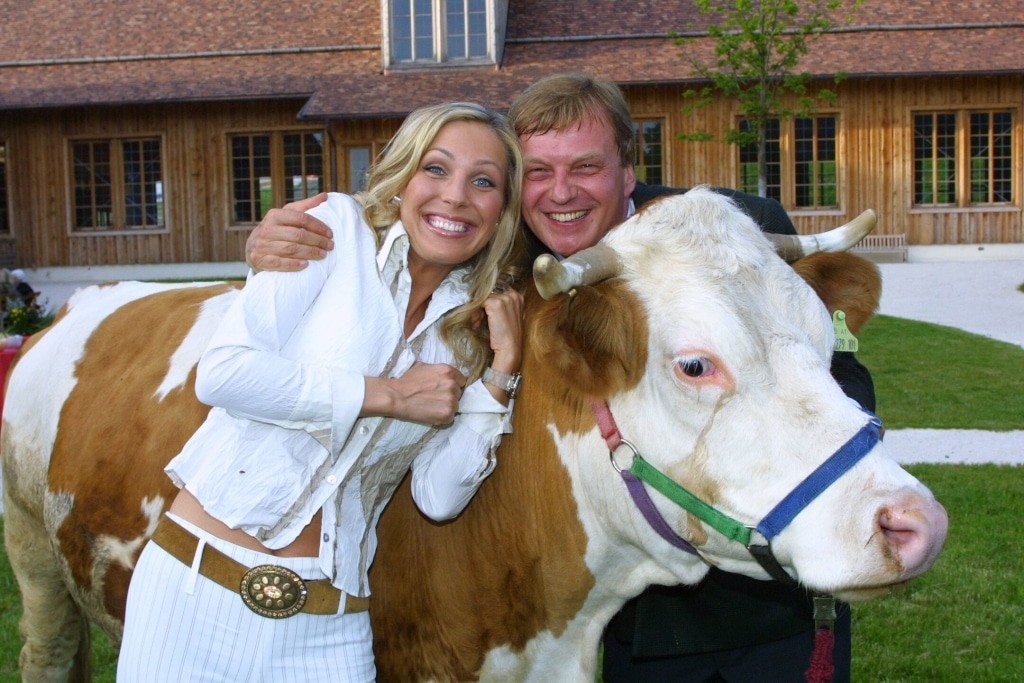
Right from the start, it was clear that Gut Aiderbichl needed to be publicised far and wide if it was to make a big difference. Michael Aufhauser informs friends from his time as an actor and his life in “society” at the time. He explains his plans to them. They come and attract the media with their presence.
Back in Malaga, Michael Aufhauser met Claudia Ludwig, a journalist and presenter of the WDR programme “Tiere suchen ein Zuhause” (Animals looking for a home). She and Mathias Welp produced the television programme “The suffering of animals”. Now she is coming to Henndorf with senior editor Gina Göss to film an in-depth report about the estate. The director and journalist Susanne D’Alquen, known for her sensitive animal films, is part of the WDR team. In the following years, she also accompanies Gut Aiderbichl with her work. In the same year, Michael Aufhauser is voted “Salzburger of the Year” by the Salzburg newspaper “Kronen Zeitung” and receives the “Golden Crown” from editor-in-chief Hans Peter Hasenöhrl. Harald Brodnig, managing editor of the “Kronen Zeitung”, and photographer Markus Tschepp understood Gut Aiderbichl’s cause and have accompanied it with informative reporting ever since. Ralf Schumacher hands over a friend’s gift, the little bull Vincero, to Gut Aiderbichl. He and his wife Cora increase the media’s interest in our work.